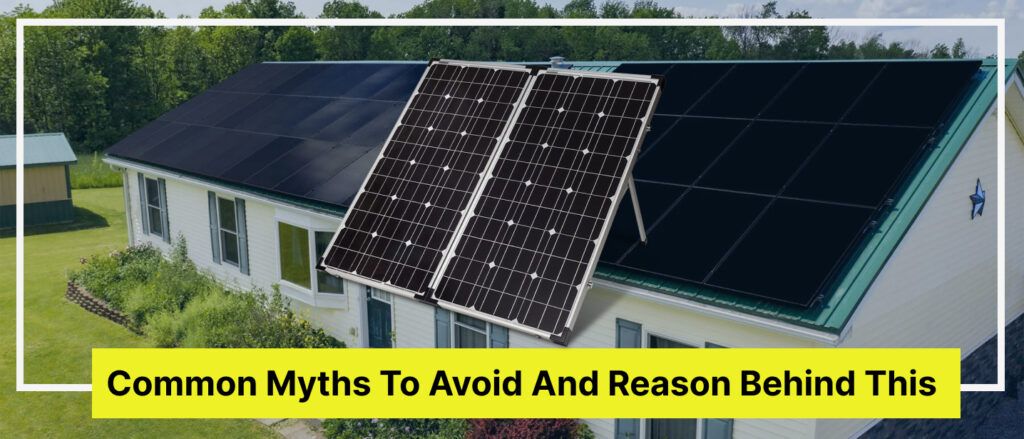
Common Myths To Avoid and The Reason Behind Solar Systems

Reason Behind solar systems

According to Climate of the Nation 2022, approximately 76% of Australians rank in the top 1 tier solars in the top three preferred energy sources.

Australia is the world’s leader in solar uptake per capita, with approximately 1 kW of solar installed per citizen.

Apart from this, many myths might discourage owners from choosing solar systems on their property, but here in this article, we will overview the truth behind the myths and Knows About What is the Reason Behind Solar Systems.

Myth 1. Solar Systems is Too Expensive:

Truth:

Some federal and state incentives help reduce the total cost of renewable energy. STCs (Small Scale Technology certificate). It is available in every state of Australia, which helps save hundreds and thousands of dollars on your new purchase. STCs can be combined also with state incentives to reduce further Solar Systems Costs.

Myth 2. Solar Systems doesn’t work in cloudy or rainy seasons:

Truth:

Solar Power Systems can work even when there is no electricity, or the sun is not shining. It totally depends on the amount of cloud covered; some of the sun’s energy should still get through to operate solar power or solar hot water systems. Even if there are many cloudy days weather, there are ways to get most of the system, which are:

  • Solar water heaters have an electric or gas backup booster to ensure you can still enjoy hot water when needed.
  • The efficiency of solar power systems may be reduced, but you will still have power from the grid to fall back on or excess solar energy if you have a battery installed.

Myth 3. Solars Systems aren’t efficient:

Truth:

The sun produces enough energy in an hour to provide power to every person on Earth for a whole year. However, to maximize your solar investment, you must ensure the panels you select are high quality, reliable, and durable. Regarding solar quality, Esteem Energy will ensure their selection of panels meets strict quality standards and is tested for optimum performance and efficiency. Hence, your system works to deliver a reliable and efficient power supply.

Myth 4. Don’t use much power in the day, so there is no need for Solars:

Truth:

The rise in working households often means less power is consumed during the day. However, this doesn’t mean you can’t use solar energy. With the help of the Esteem Energy app, you can see when your solar power system generates the most power and operates high-consuming appliances such as water heaters and pool pumps to help you save more on your energy bills. Adding a solar panel battery storage system to new or existing solar power systems allows you to store your unused solar energy to use later and reduce your reliance on the grid. This includes:

  • At night
  • On low sunlight days
  • When utility rates are more expensive
  • During blackouts

Myth 5. Can you have renewable energy if your roof is small?

Truth:

A heat pump water heater is a great option if your roof is unsuitable for solar. Instead of the sun, it uses the surrounding air to heat water, which removes the need for solar collectors. Also, it is an easy replacement for an electric water heater, as heat pumps often use existing plumbing and electrical connections. If there are freezing conditions, a well-qualified heat pump should have an electric booster function that will be triggered to ensure a continuous hot water supply.

Myth 6: Solar Systems Aren’t Effective in High Latitudes

Truth:

Solar panels can still generate significant power in higher latitudes. At the same time, they may not receive the same amount of sunlight as equatorial regions; modern solar systems are designed to capture and convert available sunlight efficiently. In high-latitude areas, proper system design and placement can maximize energy production.

Myth 7: Solar Panels Harm the Environment

Truth:

Solar panels are environmentally friendly and contribute to reducing carbon footprints. The production of solar panels has become more sustainable, and their energy payback period—the time it takes for a panel to generate as much energy as was used in its production—has decreased significantly. Solar energy helps combat climate change and reduces dependence on fossil fuels.

Myth 8: Solar Panels Have a Short Lifespan

Truth:

Solar panels are built to last. Most solar panels have warranties that guarantee performance for 25 years or more. While their efficiency may decrease slightly over time, they continue to generate power well beyond their warranty period. Regular maintenance and advancements in technology contribute to the longevity of solar panels.

Myth 9: Solar Systems Are Only for Wealthy Homeowners

Truth:

The perception that solar systems are only for the wealthy is outdated. With various financing options, government incentives, and falling installation costs, solar energy is accessible to a broader range of homeowners. Many solar providers offer financing plans that make it feasible for homeowners with different budget considerations.

Myth 10: Solar Systems Don’t Add Value to Homes

Truth:

Homes with solar panel installations often have increased market value. Solar systems are viewed as desirable features, especially as energy efficiency becomes a priority for homebuyers. Studies have shown that homes with solar panels sell faster and at higher prices than comparable non-solar homes.

Conclusion:

debunking these common myths reveals that solar energy is a viable, cost-effective, and environmentally friendly solution for powering homes and businesses. As technology advances and awareness grows, solar systems play a crucial role in transitioning to a sustainable energy future.

In conclusion, solar energy is a viable and cost-effective option for Australian homeowners, and many common myths surrounding it can be debunked with the correct information. With technological advancements and various incentives available, solar systems significantly reduce energy bills and environmental impact.

Common Myths To Avoid and The Reason Behind Solar Systems Read More »

Solar Performance in Winter Season!

Solar Performance in Winter Season

Table of Contents

Every day affecting sun electricity output in winter:

The sun’s power output depends on many everyday factors like regions, the layout of panels, snow, and clouds across the assets. So, in that manner, solar panel output can decrease by using 25-50% in iciness, especially in comparison to the everyday summer season.

Ways to maximize Solar Panel Output in iciness:

They have been cleansing solar panels daily, every so often, on an everyday foundation. We, in particular, need every day to ensure that panels are free from dust and snow as they get caught effortlessly on panels. After a snowfall, one wishes to get solar panels every day as they should be cleaned effectively and urgently with the aid of the crew.
Additionally, you can install a sun backup battery like Tesla Powerwall, which can keep excess battery throughout the day and be used at night or on cloudy nights.
This solution can help maximize solar output and reduce reliance on the grid.

Saving power in the winter:

To stretch solar energy output consists of the subsequent methods:

Turning down the thermostat’s day-to-day tiers makes some distinction in strength consumption.
They’re sealing air leaks around home windows and doors. Air leaks can permit cold air, making it more difficult for the house to maintain day-to-day warmth and grow energy consumption.
You are using efficient energy in appliances. While you want to replace vintage appliances, choose energy-efficient fashions that use much less power, saving cash on strength bills.
By taking this step, you can possibly shop for electricity during the winter season. And every day, shop for money over strength payments. Maximizing solar electricity output is what we have handled on this weblog.

Optimizing sun performance all through winter:

Misconception:
The performance of solar panels throughout the winter season is frequently misunderstood, with many assuming that less warm temperatures and decreased daylight lead to a sizable drop in efficiency. Solar panels can nevertheless harness enormous energy at some stage in the wintry weather months, and addressing commonplace misconceptions can assist customers in making the maximum in their solar investments.

1. Chillier Temperatures improve performance:

Opposite day-to-day, there is the belief that solar panels perform better in hotter climates; they can be greener in less warm temperatures. Solar panels convert daylight into electricity, and colder temperatures beautify the conductivity of semi-conduced dioxide inside the discussions, maintaining everyday advanced efficiency. This phenomenon is why solar panels frequently perform well in iciness, presenting good enough sunlight.

2. Sunlight hours, now not just daylight, topics:

Even as iciness might also deliver shorter days and less direct daylight, it’s important to be aware that solar panels can still generate strength even in overcast situations. They rely on sunlight hours, no longer simply direct sunlight, to produce energy. Solar panels can capture diffuse sunlight, even on cloudy days, contributing to daily strength production.

3. Snow may be an undertaking and an opportunity:

Snow accumulation on solar panels is regularly visible as hard, as every day blocks daylight and temporarily lessens electricity production. However, snow may have nice results as well. The reflective houses of snow can beautify the general light publicity, and because the snow regularly melts or slides off the panels, they can resume ordinary operation. Many current solar panels are designed with surfaces that discourage snow buildup.

4. Tilted Panels and monitoring structures enhance iciness overall performance:

Adjusting the length of solar panels may be beneficial for the duration of the iciness. Tilting the forums at an attitude optimized for the nearby latitude lets them capture extra daylight daily, particularly during the lower slopes of wintry weather solar. In addition, solar monitoring structures that follow the solar’s course at some point of the day can enhance the usual power yield, making them positive in wintry weather situations.

5. Strength garage and Backup structures provide Continuity:

Shorter days and longer nights in winter mean less time for solar panels to generate electricity daily. To address this, power garage structures, including batteries, can store excess power generated during the day for use in the course of intervals of low daylight. This ensures a continuous electricity supply and lets users maximize their solar investment during the year.

6. Ordinary upkeep is critical:

Ice conditions, along with snow, frost, and the ability to form ice, can impact the performance of solaqr panels. Normal preservation, such as clearing snow and particles, ensures the most efficient electricity production. At the same time as a little snow on panels is average, excessive accumulation every day can be removed daily to save you prolonged strength loss.

7. Monitoring gadget performance is prime:

Putting in a monitoring device permits users to song the overall performance of their solar panels in real time. Monitoring helps users become aware of issues directly and ensures that the device operates successfully. While electricity production can also range during the iciness, tracking daily is noticeably critical for optimizing overall performance.

In conclusion, information on the elements that affect solar panel performance in winter and debunking commonplace misconceptions can empower users to make knowledgeable selections. Solar panels can be a reliable and green electricity source 12 months-spherical, and via imposing day-to-day practices and leveraging generation, people and corporations can maximize their solar energy benefits, even in less warm climates.

Daily your sun power device for the iciness preparing Your solar electricity system for wintry weather: A complete guide

As iciness approaches, it’s important every day to make certain that your solar strength device is prepared to tackle the demanding situations posed by means of colder temperatures, decreased sunlight hours, and potential weather adversities. Right here’s a comprehensive guide on day-to-day day-to-day your solar energy system for the wintry weather:

1. Clean your solar Panels:

– Before iciness units are installed, clean your solar panels very well. Remove dirt, dust, leaves, or particles that could have settled on the panels. Smooth panels make certain daylight absorption is most beneficial, even in low-light conditions.

2. Trim Surrounding bushes and Foliage:

– Trim any overhanging branches or foliage that can solid shadows on your solar panels at some stage in iciness. Minimizing shading problems will become critical for retaining machine efficiency with the sun’s lower position in the sky.

3. Take a look at the Snow Load ability:

– If you stay in a place with a heavy daily blizzard, make sure that your solar panel installation is designed to deal with the expected snow load. Snow accumulation can briefly obstruct daylight publicity, so a gadget with a layout that money is owed is beneficial.

4. Daily Tilt and Orientation:

– check the lean and orientation of your solar panels. Even as fixed panels are set at an attitude, a few systems allow for changes. Depending on your vicinity, tweaking the lean can optimize sunlight seize in the course of winter.

5. Look everywhere for damaged or faulty additives:

– Every day, all gadget additives are thorough, including panels, inverters, and wiring. Address any visible harm or malfunctions right away day-to-day and make sure uninterrupted electricity manufacturing during wintry weather.

6. Reveal battery fitness:

– test their health and potential if your sun energy machine incorporates electricity garage through batteries. Cold temperatures can impact battery performance, so verifying their repute is vital for a reliable backup power source.

7. Evaluate Heating structures for Panels:

– Put in heating systems for your solar panels daily in areas with severe bloodless situations. This prevents the accumulation of ice or snow, making sure regular strength manufacturing.

8. Verify Insulation and Seals:

– test the insulation and seals around your solar panels and other system additives. Make sure no gaps or leaks may cause electricity loss or harm daily winter weather.

What happens daily to my sun panel’s overall performance inside the snow?

The impact of snow on solar panel performance can range daily on numerous elements, including the amount of snowfall, the traits of the snow, and the layout of the solar panel installation. Here’s a breakdown of what happens daily solar panel overall performance inside the snow:

1. Decreased energy production:

Snow covering the surface of solar panels obstructs sunlight and reduces the system’s power production. The extent of the discount relies upon the thickness and length of the snow cover.

2. Transient overall performance Drop:

At the same time as snow is gifted at the panels, there is a temporary drop in strength production. This discount is usually more extensive for constant-tilt structures that can not shed snow as efficiently as tracking systems or panels with steeper tilts.

3. Self-cleaning outcomes:

Light, fluffy snow can slide off inclined solar panels daily, appearing as a self-cleansing mechanism. However, heavy and wet snow might also adhere to the panels, requiring guide removal for the most suitable overall performance.

4. Brief healing After snowstorm:

Once the blizzard is daily and the panels are exposed to daylight daily, they can quickly improve and resume ordinary power production. Daily ambient temperature, daylight intensity, and the panels’ perspective affect the recovery pace.

5. Influence of Panel Tilt and Orientation:

The tilt and orientation of solar panels play an important function in how they interact with snow. Panels with a steeper tilt or those dealing with the south may additionally shed snow more efficiently, permitting faster recuperation.

6. Snow’s Reflective properties:

Snow has reflective residences that can beautify solar panel performance under certain situations. The reflected sunlight from snow-blanketed surfaces may grow electricity production as soon as the snow melts.

7. Panel Heating structures:

A few solar panel installations contain heating systems designed to melt snow or ice. These structures use a small amount of electricity daily to warm the panels, facilitating the herbal dropping of snow.

8. Geographical and Climatic every day:

The impact of snow on solar panel performance is more pronounced in regions with heavy snowfall. Geographical factors, such as range and altitude, also influence snow-associated issues’ frequency and severity.

Solar: A great choice – no matter what time it is!

Sun strength is a smart choice, regardless of the season. The benefits of solar energy are bigger at some stage in the year, offering advantages in each season. Here are some reasons why the sun is an everyday notch choice, regardless of the time of year:

1. Year-spherical power manufacturing:

solar panels generate electricity year-round, even during the ice months. At the same time, as there can be variations in electricity production day-to-day, such as shorter days and inclement climates, sun structures continuously produce electricity.

2. Decreased dependence on Grid power:

Sun electricity structures allow homeowners and groups to reduce their reliance on grid electricity daily. This independence stays regular throughout seasons, providing a reliable supply of easy power.

3. Environmental advantages:

Solar electricity is a sustainable electricity source. With the aid of harnessing electricity from the sun, sun structures contribute daily to decrease carbon emissions and a discounted environmental impact, no matter the season.

4. monetary financial savings yr-round:

The sun’s economic benefits, including reduced strength bills and capability incentives, are continuously found over the 12 months. Solar customers keep their everyday experience costing financial savings, making it a financially sound investment.

5. Off-Grid solutions:

Sun electricity provides a reliable and unbiased strength solution for far-off or off-grid places. This is true in all seasons, allowing a non-stop energy supply without relying on conventional application infrastructure.

6. Sun Net Metering:

Internet metering permits solar users to feed excess strength again in the grid daily, earning credit. This manner of wafting power advantages daily at some stage in the year ensures a balanced and powerful electricity change.

7. lengthy-time period investment:

Solar installations are long-term investments with a regular lifespan of 25 years or more. Regardless of the season, the return on investment accumulates over time, making the sun a long-lasting and treasured asset.

8. Resilience in the course of electricity Outages:

Sun systems equipped with power storage answers and batteries provide resilience at some stage in electricity outages. This guarantees continuous energy delivery for vital home equipment and critical functions, regardless of season.

9. Improvements in era:

Ongoing advancements in solar generation, including more efficient panels and stepped-forward strength garage alternatives, contribute to day-to-day solar structures’ yr-spherical reliability and performance.

10. High-quality impact on assets cost:

Sun installations decorate belongings cost, and this advantageous effect remains constant during the year. Homebuyers price the presence of solar panels for their lengthy-term cost-saving advantages.

What are solar snowguards?

Snow guards are vital in solar panel installations, particularly in regions with heavy snowfall. They save you the surprising release of gathered snow and ice, lowering the risks of falling loads every day. There are various varieties of sun snow guards, each designed every day to suit different roof structures and solar panel configurations. Here’s an in-intensity look at the not-unusual types:

1. Clamp-On Snow Guards:

Layout and function:

Clamp-on snow guards attach the solar panel mounting device to the roof at once every day without penetrating it. They use clamps to cosy the shield and the panel’s frame.

Suitability:

Perfect for metal roofs or situations wherein roof penetration is not acceptable.

Installation:

Extraordinarily smooth to put in without requiring roof penetration.

2. Rail-mounted Snow Guards:

Design and feature:
Rail-mounted guards are attached day-to-day to the solar panel mounting rails. They invent a barrier along the edges of the solar array every day to save you snow slides.

Suitability:
Desirable for solar panel systems with rail-based day-to-day mounting systems.

Set up:
Usually established all through the sun panel mounting procedure.

3. Penetrating Snow Guards:

Design and function:
Penetrating snow guards are attached by penetrating the roof floor. They are secured day-to-day on the roof deck, supplying a comfy anchor point.

Suitability:
Typically used on sloped roofs with asphalt shingles, wooden shakes, or slate roofing substances.

Set up:
Requires careful consideration of roof kind and pitch.

4. Cord Mesh Snow Guards:

Design and function:
Twine mesh guards consist of a metallic mesh set up over the solar panels. The mesh traps snow, and it slides off in huge sheets every day.

Suitability:
Suitable for various roof kinds and sun panel configurations.

Set up:
This includes securing the cord mesh over the sun array.

FAQ approximately solar performance in the winter season

1. Will snowstorms harm sun Panel strength production?

Snow accumulation on solar panels can quickly lessen energy manufacturing. But, maximum day-to-day solar panels are designed with a tilt, allowing snow to slide off certainly. Moreover, the reflective nature of snow can beautify sunlight absorption when panels are clean.

Is the power output of solar Panels worth It in the iciness?
Solution: Solar panels generate electricity in winter. While daylight hours may be shorter, current solar panels are efficient even in low-mild situations. They contribute extensively every day, decreasing energy payments over the year.

2. Do solar Panels paintings On Cloudy Days?

Sure, solar panels hold to produce electricity on cloudy days, although at a reduced charge. They can generate electricity from diffused daylight, ensuring a continuous energy supply even when the sky is overcast.

3. Do solar panels paintings in the iciness?

Sure, solar panels work in iciness. Cold temperatures can enhance the efficiency of solar panels, and snow can slide off, exposing panels to sunlight every day. But snow cowl, if immoderate, may briefly lessen manufacturing.

4. Does every day affect solar panels’ performance in iciness?

Several everyday impact solar panels’ overall performance in iciness, inclusive of daylight, the angle of the panels, snow cover, and temperature. Proper installation and preservation help optimize overall performance.

5. Are solar panels paintings included in the snow?

Even as snow-covered panels produce less energy, they still generate energy. In maximum cases, snow slides off tilted panels. Deciding on the proper tilt attitude throughout installation in heavy snowfall regions can limit snow buildup.

Solar Performance in Winter Season! Read More »

Latest Solar Panel Technology

Solar Systems Advancement

The latest solar panel technology is at the forefront of the renewable energy revolution, offering more efficient, sustainable, and cost-effective solutions than ever before. As the world grapples with rising energy demands and the pressing need to combat climate change, these advancements are changing how we harness and utilize solar energy.

This article delves into the exciting trends and innovations within the latest solar panel technology that are reshaping the industry. From bifacial panels to floating solar farms, the next generation of solar solutions promises to increase energy efficiency, reduce costs, and contribute to a more sustainable future. Whether you’re a homeowner, business owner, or an energy enthusiast, understanding these developments can help you stay ahead in the rapidly evolving world of solar technology.

Let’s explore how the latest solar panel technology is setting new standards for renewable energy in 2025 and beyond.

Why Solar Panel Technology Matters

In an era of climate change and increasing energy consumption, the demand for efficient, sustainable energy solutions is at an all-time high. The latest solar panel technology is addressing these needs by improving the efficiency, affordability, and scalability of solar energy systems.

By adopting advanced solar technologies, we can reap numerous benefits, including:

  • Reduced energy costs: Modern solar panels, with their higher efficiency, generate more power while consuming less space and energy.
  • Improved energy efficiency: Advanced solar panels like bifacial and PERC technology capture more sunlight and convert it into usable electricity.
  • Contribution to a greener future: Reducing our reliance on fossil fuels, these technologies offer a cleaner, renewable energy alternative.

With these innovations, the latest solar panel technology offers a sustainable path forward in the fight against climate change.

The Latest Solar Panel Technologies of 2025

2025 has come with incredible advancements in solar technology, many of which are designed to make solar energy more efficient, affordable, and versatile. Let’s take a look at the most exciting latest solar panel technologies currently transforming the industry.

1. Bifacial Solar Panels

Bifacial solar panels are gaining popularity for their ability to capture sunlight from both the front and rear sides of the panel. This unique feature helps increase energy generation efficiency.

Key Advantages:

  • Up to 30% increased efficiency: Bifacial panels can generate more energy by harnessing sunlight reflected off surfaces like snow, water, or light-colored rooftops.
  • Ideal for reflective surfaces or snowy environments: These panels perform better in regions with snow or reflective surfaces, as the reflected light boosts energy generation.
  • Real-world applications: These panels are increasingly used in both residential and commercial applications, offering a higher return on investment due to their enhanced efficiency.

2. PERC (Passivated Emitter and Rear Cell) Technology

PERC technology enhances the performance of conventional solar cells by adding a layer on the back of the cells, improving energy efficiency.

Benefits:

  • Efficiency up to 25%: PERC technology increases the energy output of solar panels, enabling them to produce more power from the same amount of sunlight.
  • Superior performance in low-light conditions: PERC panels perform well even on cloudy or overcast days, making them ideal for regions with less sunlight.
  • Reduced degradation: These panels have a longer lifespan and maintain their performance over time, reducing the need for frequent replacements.

3. Heterojunction (HJT) Solar Cells

HJT solar cells combine crystalline and amorphous silicon layers, resulting in higher energy conversion efficiencies compared to traditional solar cells.

Advantages:

  • Higher energy conversion efficiency: HJT solar cells have a better ability to convert sunlight into usable electricity, making them one of the most efficient solar technologies.
  • Enhanced performance in high temperatures: These cells perform better in hot climates compared to other solar cell technologies, making them ideal for areas with high ambient temperatures.

4. Perovskite Solar Cells

Perovskite solar cells are a newer technology with the potential to revolutionize the solar industry due to their high efficiency and low production costs.

Challenges & Potential:

  • Efficiency potential of >30%: Perovskite solar cells could surpass the efficiency of traditional silicon panels, offering over 30% efficiency in ideal conditions.
  • Challenges in scalability and mass production: While promising, perovskite technology faces challenges in mass production and long-term stability.
  • Future applications: With continued research, perovskite solar cells could become more widely available for both residential and commercial use.

5. Transparent Solar Panels

Transparent solar panels are a groundbreaking innovation that allows solar energy generation while maintaining transparency, making them ideal for urban areas and buildings with glass surfaces.

Key Features:

  • Integration into windows and glass surfaces: Transparent panels can be embedded into windows and facades, offering the possibility of generating energy without compromising the building’s design.
  • Limitations and breakthroughs: While transparent solar panels are still in development, they hold great promise for use in commercial buildings and city infrastructure, turning glass surfaces into energy generators.

6. Floating Solar Farms

Floating solar farms use water bodies like lakes, reservoirs, and ponds to host solar panels, offering significant advantages over traditional land-based installations.

Advantages:

  • Maximizing land use: Floating solar farms free up land for other uses, making them ideal for densely populated or land-scarce regions.
  • Cooling effect and reduced evaporation: The water surface naturally cools the panels, improving their efficiency, while also reducing evaporation from reservoirs and lakes.

The Future of Solar Panel Technology

The future of latest solar panel technology is filled with promise. Innovations like tandem solar cells, thin-film solar cells, and AI-optimized energy systems are expected to drive solar energy to new heights.

  • Tandem solar cells: These cells stack multiple types of solar technologies on top of each other to increase efficiency beyond the capabilities of traditional panels.
  • Thin-film solar cells: Lightweight and flexible, these cells offer a wide range of applications, including integration into various surfaces like clothing, buildings, and even vehicles.
  • AI-optimized energy systems: With AI integration, solar energy systems can automatically adjust to weather conditions and energy demand, maximizing efficiency and reducing waste.

Smart grids and IoT integration will also play a key role in optimizing solar power usage, making it more reliable and accessible to households and businesses alike.

Practical Benefits of Adopting Advanced Solar Technology

Adopting the latest solar panel technology offers several key benefits that go beyond just reducing electricity bills:

Economic Benefits:

  • Faster return on investment (ROI) due to higher energy output and efficiency.
  • Lower electricity bills over time as modern solar panels generate more energy, reducing the need to buy from the grid.

Environmental Advantages:

  • Solar energy is a clean, renewable source that reduces your carbon footprint and contributes to global sustainability efforts.
  • Solar power is a crucial tool in combating climate change, helping to reduce reliance on fossil fuels and decreasing air pollution.

Long-term Reliability:

  • With advancements in materials and technology, the latest solar panel technology provides a longer lifespan, ensuring reliability and less maintenance over time.

Key Challenges in Solar Panel Advancements

While the latest solar panel technology offers great potential, there are still challenges that need to be addressed:

  • Scalability: Some advanced technologies, such as perovskite and transparent solar panels, are still in the early stages of development and are not yet suitable for mass production.
  • Affordability: Although prices have dropped, some of the newer technologies can still be expensive, making it difficult for some consumers to adopt them.
  • Regulatory constraints: Government regulations around new solar technologies can slow down their widespread adoption, especially when they require new infrastructure or regulatory changes.

Despite these challenges, ongoing research and development are making it easier for these technologies to become more accessible and cost-effective.

Why Choose Esteem Energy for Your Solar Panel Needs?

Esteem Energy is a leader in providing the latest solar panel technology for both residential and commercial applications. We specialize in offering cutting-edge solar solutions that are tailored to your unique energy needs.

  • Personalized consultations: Our experts assess your property to determine the best solar solution based on your energy requirements and location.
  • Cutting-edge technology: We provide access to the latest solar panel technology, including bifacial panels, HJT cells, and energy storage solutions.
  • Proven track record: With years of experience in solar energy installations, Esteem Energy has a proven track record of successful projects across Girraween and beyond.

Take the Next Step Toward a Greener Future!

Partner with Esteem Energy to unlock the full potential of the latest solar panel technology.
Schedule a free consultation today to explore how advanced solar solutions can transform your energy consumption.

Frequently Asked Questions

Q1. What is the latest solar panel technology?

The latest solar panel technology includes innovations like bifacial panels, PERC cells, HJT solar cells, perovskite solar cells, transparent panels, and floating solar farms.

Q2. How do bifacial solar panels work?

Bifacial solar panels capture sunlight on both the front and rear sides, improving efficiency by up to 30% in reflective or snowy environments.

Q3. What are the benefits of PERC technology?

PERC technology boosts solar panel efficiency to up to 25%, improves low-light performance, and reduces panel degradation over time.

Q4. What is the efficiency of perovskite solar cells?

Perovskite solar cells offer efficiencies greater than 30%, potentially surpassing traditional silicon panels, though they are still in development.

Q5. Can transparent solar panels replace regular windows?

Transparent solar panels can be integrated into windows, offering energy generation without compromising transparency, ideal for commercial buildings.

Q6. What are floating solar farms?

Floating solar farms are solar panels installed on bodies of water like lakes or reservoirs, offering benefits like maximizing land use and improved efficiency due to cooling effects.

Q7. How long do modern solar panels last?

Modern solar panels, especially those with advanced technologies like PERC or HJT cells, have a lifespan of 25-30 years, with minimal efficiency loss.

Q8. How much can I save with advanced solar technology?

Depending on the technology and your location, advanced solar systems can save you up to 30% more energy compared to traditional panels, resulting in faster ROI and lower electricity bills.

Latest Solar Panel Technology Read More »

Why Solar Panels Are Best To Install In Spring?

Solar panels are best to Install in spring

When the sun shines bright in spring, it’s the perfect time to invest in a solar system. Installing solar panels during this season can significantly reduce energy bills, especially when air conditioners run more. Some states are reducing incentives as solar systems gain popularity, so get started. Seize the opportunity to harness solar energy this spring, with its advantages of less rainfall, longer daylight hours, and stable temperatures. Discover the compelling reasons to choose a springtime solar panel installation in Australia and enjoy its many benefits.

Benefits of Solar Panel:

During the spring season, solar panels can harness ample sunlight, making it an ideal time for installation. The extended daylight hours further enhance the efficiency of your solar system. Opting for solar panel installation this spring can improve your home’s energy efficiency, offering both cost-effectiveness and a sustainable solution to meet one’s energy needs. Some of the benefits are:

1. Savings on Energy Bills:

By adopting a Solar Power System, you can slash your electricity expenses by up to 90%. A highly efficient system can lead to the ultimate goal of zero electricity bills.

2. Reduced Carbon Footprint:

Solar power is synonymous with green energy, producing zero carbon emissions. It’s a guaranteed way to transition to renewable energy and actively contribute to environmental preservation.

3. Tax Credits and Incentives:

Eligible solar homeowners can claim federal tax credits, and the government offers various incentives and discounts to sweeten the deal further.

4. Excellent Return on Investment:

Solar systems require minimal maintenance and offer a superior return on investment compared to other sustainable energy sources.

5. Enhanced Real Estate Value:

Homes equipped with solar panels tend to sell faster and command higher prices in the real estate market, making them a wise investment choice.

Are you searching for exceptional deals, discounts, and rebates for your Solar Panel Installation Service? Look no further; we are your local solar panel retailer, dedicated to securing the finest feed-in tariffs and exclusive discounts all under one roof! Or concerned about your solar panel installer’s accreditation. Here’s what we offer:

  1. We stand behind our work with an unwavering 10-year workmanship warranty.
  2. Benefit from our extensive experience and a team of seasoned experts in the solar field.
  3. Our knowledge extends to solar panel system installations across Australia.
  4. Join the ranks of our satisfied customers, with a vast customer base of over 50,000 successful installations in Australia.
  5. We exclusively offer Tier 1 solar panels and deliver top-notch installations.
  6. Our approach is highly adaptable, working with multiple solar brands to create unique installations tailored to individual requirements.
  7. Enjoy the best feed-in tariff options available.
  8. Leave the paperwork in our capable hands as we handle it meticulously and exclusively for every client.

Why Solar Panels Are Best To Install In Spring? Read More »

All About Hybrid Solar Systems

Hybrid Solar Systems

In this article, we will explore the topic of hybrid solar systems.
The hybrid solar system is a type of solar power system that is made of the combination of solar panels with other features (which usually are to improve the efficiency and reliability of the system) to make the power system highly effective. Unlike the PV systems of the grids or off-grids, a hybrid system combines energy storage options using batteries as the mainstays for availing the excess energy at a later time. The integration of energy storage facilities results in the system’s operation in grid mode and off-grid modes; as a result, the system could take advantage of all the benefits that both grid-tied and off-grid systems could provide.

Table of Contents

Key components of a hybrid solar system include:

 1. Solar Panels: Photovoltaic (PV):

The bare ledge is packed with solar cells for collecting sunlight or turning it into electricity.

 2. Inverter:

An inverter plays a crucial role in the process of DC(Direct Current) electricity produced by solar cells, into AC(Alternating Current), which is necessary for commercial and residential purposes.

3. Battery Storage:

When used as a renewable energy reserve, energy storage is not only a key element of hybrid systems. Batteries use that time to charge when the sun is out, and energy can be freed during periods of low solar input, night-time hours or when the load is heavy.

4. Charge Controller:

It controls the circulation and charging of electricity from solar panels to batteries to avoid the batteries or achieving a full charge.

5. Grid Connection:

It is provisioned with the electrical grid; it is able to pull electricity from the grid when solar energy is low, and it pushes extra solar energy back to the grid when production exceeds demand.

6. Backup Generator:

Hybrid systems may embrace a backup generator that uses diesel or propane, a conventional fuel type that will give additional energy during likely cases like low sunlight or high power demand.

 Pros and cons of a hybrid solar system

Pros of a Hybrid Solar System:

1.  Grid Independence:

With hybrid systems, we can gain virtually uninterrupted power, so the user can create, store, and use electric energy.

2.  Energy Storage:

The integration of the battery makes possible energy storage, supporting users in using the additional production during hours of no solar radiation.

3.  Backup Power:

A combined system may give some backup power during grid failure or when the system experiences peak demand, which, in turn, may be enhanced by the installation of a generator.

4.  Increased Self-Consumption:

The users, hence, can raise their power generation by conserving the excess energy and reducing their grid power usage during peak times.

5.  Grid Export and Credits:

Extra power not being used can be sold back to the grid, and consumers might get paid for the electricity they provide during peak hours.

6.  Environmental Impact:

Decreased dependence on the grid alongside managing stored power supply helps build a more environment-friendly system, which in turn supports renewables.

 Cons of Hybrid Solar System:

1. Complexity and Cost:

Installed hybrid systems will require more equipment and have become more complex and expensive than a simple solar generator with only the battery due to adding other components.

2. Maintenance:

Laptops, computers, and similar devices are not immune to various issues, which may require regular maintenance and add up to a higher overall price.

3. Limited Battery Lifespan:

The batteries of hybrid systems are designed to last around 5 to 15 years, which imitates a considerable cost and reduces reliability.

4. Space Requirements:

The installation of storage batteries requires additional space because the reserve system needs to be installed and space needs to be designed severely.

5. Efficiency Losses:

While transforming from DC to AC and charging and discharging batteries leads to some energy losses, efficient energy management is still necessary to enhance the usefulness of renewable energy resources.

 6. Dependency on Sunlight:

All solar systems including hybrid systems, depend on the sun as an energy source. The result of ephemeral light will also impact system performance.

7. Technology Advancements:

Advancements in the field of solar power and energy storage might result in constantly evolving technologies with consecutive upgrades just after combining both technologies.

Components of Hybrid Solar System:

Usually, a hybrid solar system represents a group of major components that allow one to generate, save, and use energy (for example, some batteries) at the same time and, in addition, allow one to interact with the electrical grid. Here are the essential elements of a hybrid solar system: Here are the essential elements of a hybrid solar system:

1. Solar Panels (PV Modules):

The installation of photovoltaic (PV) solar panels is primarily done on the rooftop or ground with the specific consideration of sunlight to be captured and eventually converted into electricity. The amount and amount of energy to be provided is based on the energy needed in the households or facilities.

2. Inverter:

An H/Y inverter, also known as a bidirectional AC or hybrid solar inverter, is a key element of a power system that transforms DC generated by solar panels into AC for home usage. Ultimately, it empowers the system to produce electricity for residential or commercial purposes in grid-tied and off-grid implementations.

3. Battery Storage System:

Besides, the batteries form an integral part of the system by saving some of the surplus solar power generated from the solar panels during good weather conditions during the night when the generation level is low or when the grid fails.

4. Charge Controller:

As the charge controller regulates either the intake or the outflow of electricity to and from the batteries in this way, it prevents batteries from overcharging and makes the batteries charging and discharging cycles consistent. This aspect provides the means for longer-lasting batteries.

5. Energy Management System (EMS):

A smart meta-system or smart net system can measure energy generation, consumption and storage. It will optimize solar energy, battery storage for electricity and availability on the grid.  It will work for this function.

6. Grid Connection:

A hybrid solar system normally finds continuity by linking to the grid. This connection enables the storage of electricity during times of low solar availability into the grid and feeding any available extra solar power into the grid.

7. Backup Generator:

In some hybrid systems, it is more likely that a backup generator is needed, especially for those systems that are commonly off-grid. It is just one photo voltaic plant available as a supplement to the main energy supply during low sunshine hours and high energy demand.

8. Monitoring and Control System:

Sentrale and I dwell on the fact that it transfers live information on the Chinese solar station. The system’s interface lets users get information like current energy generated, battery status, and overall energy efficiency.

9. Safety Disconnects:

Safety isolators are the components of inverters that can separate the solar system from another power source or grid for repair or safety.

10. Wiring and Mounting Structures:

Solar panels, inverters, batteries and other components are all necessary, but the premise of effective connection via proper wiring and mounting structures is necessary. These facilities will provide the required support to the solar panels and ensure that they can work at their full potential in an ideal position relative to the sun.
11.  Electricity Metering: Metering equipment detects the electricity output, consumption, and the one delivered to the grid. This data, provided to users by the device, helps them to have an idea of their energy usage, and to save it, some incentive programs may require it, as well as the net metering agreement.
Before the installation of a hybrid solar system, it is pertinent to first do a total energy audit; determining the total energy needs and assessing the local regulatory and grid connection requirements is mandatory to go ahead. Furthermore, a professional installation compliant with the local electrical code is crucial for the safe and efficient overall system and you.

How Does a Hybrid Solar System Work?

During the daytime, a hybrid solar system operates by harnessing sunlight to generate electricity through solar panels. Here’s a step-by-step explanation of how a hybrid solar system works during daylight hours:

1. Solar Panel Power Generation:

The solar or photovoltaic (PV) panels are to be installed either on the roof or in an open area, depending on the season.  By doing so, the sunlight is collected. The DC generated by the sun rays, when falling on the solar cells in the panel, is stored as DC electricity.

2. Inverter Conversion:

The DC generated is then connected to an inverter where the AC is produced. Most home appliances are produced with AC power, with only the electrical grid running on DC power.

3. Powering the Load:

The electrical energy through AC converters light up the household and facility devices and electrical appliances. The solar panels, having harvested the sunlight during the daytime, supply electricity in a way that would efficiently represent the electricity demand of the premises at that time of the day.

4. Battery Charging:

In a hybrid power system with battery storage, while an excess of electricity generated by the solar panels is directed into the batteries and their charge, the excess generated by the solar panels is directed into the batteries. Such a situation is an outcome when solar power generation is higher than the capacity of the building to take the excess power at that particular moment in time.

5. Grid Interaction:

The central function of a hybrid node-grid system is feeding back the excess energy that is not used immediately or kept in batteries to the grid. In this case, a bidirectional meter becomes the main instrument used to perform the process; the mode of the flow of electricity is measured for both directions.

 6. Net Metering:

Certain regions have net metering programs that recognize and reward the energy users for the excess electricity they contribute to the grid by giving them credit for it. If solar generation is less than the credit, the same credit is used to balance the electricity consumption from the grid into the reverse or at night.

 7. Continuous Monitoring and Optimization:

The hybrid solar system that comprises the photovoltaic panels is monitored and optimized by an energy management system (EMS) and oscillates between the solar panel and batteries throughout the day. The EMS regularly performs energy management tasks in such a method as to make electricity generated by solar panels, most effectively, stored or sent back to the grid in dependence on demand and prevailing solar weather conditions.

 8. Load Powering and Battery Discharge in the Evening:

Together with the sun going behind the horizon and solar panels producing less energy, the hybrid system may take power from the batteries to keep the power supply satisfactory once the batteries are discharged, the system will instantiate permission to get power from the grid.

Hybrid Solar System FAQs

I Would Like to Know More about a Hybrid Solar System, Is it Suitable for Me?

Deciding on whether a mix of solar systems fits you is highly dependent on numerous parameters such as your personal energy requirements, location position, budget, and certain objectives. Here are some considerations to help you decide if a hybrid solar system is a suitable choice: Here are some considerations to help you decide if a hybrid solar system is a suitable choice:

  • Energy Consumption Patterns
  • Grid Reliability
  • Location and Sunlight Availability
  • Financial Consideration
  • Environmental Impact
  • Long Term Planning

How useful are hybrid systems using solar panels for electricity production over a long-term period?

The duration of a hybrid solar system might change based on the layout of the stand, maintenance, and other things in a row. Solar panels are assumed to last approximately 25 to 30 years long. Still, in extreme cases, they last longer, unlike batteries, which are only one part of PV systems, inverters—which convert DC power from the solar panels to AC power for home use—usually last around 10 to 15 years. Batteries, if used as a part of this subsector, normally have a lifetime of 5 years to 15 years; however, the type of battery used and how it is used will determine these numbers.

Incorporation of regular maintenance and monitoring can help systems powered by renewables overcome the challenges of lasting longer. It closely and indirectly follows the manufacturers’ directions for maintenance tasks and responds immediately to any problems.

Is a green energy system that combines solar energy with battery storage a viable investment?

Pros:

  • Energy Independence
  • Energy Savings
  • Environmentally Friendly

Cons:

  • High Initial Cost
  • Space Requirements
  • Maintenance

What is the lifespan of a mixture of solar photovoltaic systems?

The shelf life of a hybrid solar system depends on the individual components, such as solar panels, inverters, and batteries: The shelf life of a hybrid solar system depends on the individual components, such as solar panels, inverters, and batteries:

1. Solar Panels:

The maintenance period of photovoltaic panels usually lasts 25 or more years. Although their lifespan begins to diminish with time, and their capacity may drop, they can still generate electricity beyond the warranty expiry.

2. Inverters:

Inverters are normally reckoned to stand the test of time between 10 and 20 years and to give out during the system’s lifetimes.

3. Batteries:

The duration of life of different types of batteries is different, depending on what type they are. g. i. e.  , the conditions of the electric vehicle, such as battery type (level 1, level 2, or lead acid) and the manner of usage. The lifetime range of the lithium-ion battery can be ten years up to more, whereas a lead-acid battery might have shorter lifetimes.
In this regard, it is worth noting that the one part of the less resistant system can determine its life span. Scheduled upkeep and surveillance are the long-term investments’ key to productivity.
Not all solar panel systems have the same size and capacity to withstand the heat.
The main difference between a solar system and a hybrid solar system lies in their energy capabilities and functionality. The main difference between a solar system and a hybrid solar system lies in their energy capabilities and functionality:

1. Solar System:

-A solar array, a traditional solar system, utilizes solar panels to change sunlight into electricity.
– The produced electricity runs into the grid or powers the house depending on a chosen option.
– By not having energy storage like other systems, they can only operate when there is sunlight. They cannot rely on the grid or other power sources when the conditions become unfavourable. g. In the absence of solar radiation (e.g., at night or under clouds), non-renewable energy sources, such as fossil fuels or hydroelectric power, play a crucial role.

2. Hybrid Solar System:

– A solar system, which is a hybrid, consists of solar panels, inverters, and storage in the form of batteries.
– Using next-generation technology, a hybrid system becomes self-consuming in producing electricity while having additional energy stored in batteries for later use.
– This energy storage serves as a collection point for electricity produced during periods of low solar generation or a power outage, bringing us to that important energy independence.
– Hybrid systems may be the main interface with the grid, and this way, consumers can offer back their extra energy or draw power from the grid when necessary.

Is how much a hybrid solar system is the right question, or do we need to ask why there is a need for a hybrid solar system in the first place?

The monetary value of a solar hybrid system is highly dependent on certain aspects, such as the size, the quality of components, installation expenses, and local conditions of the area, including market supply. The average cost of a hybrid solar system, which includes panels, inverters, batteries, and installation for properties on average ranges from $10,000-$30,000 or even more, depending on the size of the installation for the buildings. The cost of a kWh of battery storage capacity depends on how much it impacts the overall cost.
It’s essential to consider the following factors that can influence the cost: It’s essential to consider the following factors that can influence the cost:

1. System Size:

A bigger system that generates more energy with higher storage capacity is costly.

2. Battery Type:

The type and size of the battery pack obviously will correlate with the total cost. The lithium-ion batteries are OEM-standard but more costly than other types of the same.

3. Inverter Quality:

The advanced inverters change DC signals from solar panels and batteries into AC that we can use at home but may be more costly to install.

4. Installation Complexity:

Installation stages can be key in final costs.  It can depend on the complexity of the installation, roof structure, and electrical system.

5. Local Incentives:

Government support from incentives, tax credits, and rebates can mean financing of the hybrid solar system. The place determines the amount and time of the fruit and the vegetation.

6. Labor Costs:

Labor charges for installation are bound by local markets.  Moreover, they can change for different experts.

To get a precise estimation for your project, it is necessary to consult with local solar installers; once there, they can evaluate energy needs, analyze the solar potential and generate a detailed quote. In addition, this group can assist you in defining governmental programs that are already in place and finding the best financing.

Conclusion:

Nevertheless, hybrid solar panels are a great technology option for people who wish to lower their energy bills and succeed at protecting the environment from enormous harm. Even though this is still a technology under development, it is considered one with a high potential.

All About Hybrid Solar Systems Read More »

Solar Batteries: Is They Worth To Install?

Solar Batteries

Along with solar prices, solar companies are waiting for the dropping of the cost of solar home batteries, which offers them reasonable financial return. So, in this blog, we will cover all kinds of solar battery aspects and their pros/cons.

Working of Solar Battery: It’s very necessary to understand the concept of working of a solar system. Solar Panels generate power when the sun is shining, especially in the daytime, and are first used to supply energy to the property’s needs. The surplus energy is exported back to the grid. And it offers retailers FIT to buy energy back from the customer.

Or, as an alternative option, the surplus energy that is being exported to the grid can be used to change a battery. Then, the home battery storage system can be discharged in the evening to reduce the amount of power the owner needs to buy from the grid. The energy of the home battery storage system is stored in DC, and batteries can be connected to the main switchboard like in any AC application.

Benefits of Solar Batteries:

  1. The main is a financial benefit, i.e., reducing the amount of power one needs to buy from the grid. A standard residential solar system, without a battery, typically covers around 30% to 50% of a household’s power needs. However, when a solar battery is added to the system, it can increase the coverage to as much as 80%, 90%, or even 100% of the household’s power consumption. It’s important to consider that charging a battery means sacrificing some of the revenue generated from solar feed-in tariffs. Nonetheless, there’s still a clear benefit, as the rate you pay for buying electricity from the grid is typically much higher than what retailers offer for the excess electricity you feed back into the grid.
  2. Nowadays, solar batteries can take the capability of working in lights during power outages. But with some models of batteries, additional hardware is a must to enable the battery to provide power even in a blackout.
    Especially for some Australians, due to soaring energy prices in mid-2022, we can see the need to increase the independence of the power network.
  3. No matter how much energy solar panels generate, the majority of power generated on the grid is being done from some fossil fuels and or carbon-intensive sources. Although it is a great idea to install solar panels to reduce carbon footprints and, more importantly, to install solar batteries will double the reduction of the footprints.
  4. In recent times, Australia has witnessed the rise of various Virtual Power Plant programs. Under these programs, homeowners who participate allow the VPP operator to either discharge or charge their solar battery during moments when there’s an opportunity to profit in the wholesale or ancillary energy markets. In return for this occasional usage, which might occur only a few times a year, the VPP operator provides benefits to the homeowner.

These benefits can come in various forms, such as:

Offering a bonus feed-in tariff provides a high rate for the electricity that is used. Providing an annual fixed fee for participation.

Granting a discount on the installation of the battery.

Cost of Solar Battery:

Esteem Energy has been tracking and being in touch with the average cost of residential batteries and collected data from 200 solar installers. The cost is between $1000 -$ 1300 per kWh of capacity installed, depending on the brand, area, location, and size of the battery.

Cost of Solar Battery

Solar Battery, ROI, Payback Period, and Savings:

Scenario of Energy Usage:

This is a typical approximate graph of peak energy usage in the morning with a total energy usage of 30 kWh per day. Assumption of 30 cents to be a flat rate per kWh and FIT to be 5 cents per kWh.

Scenario of Energy Usage

Solar and Battery Solutions:

Our analysis focused on the effects of a 6.6kW solar system paired with a 10kWh solar battery in a household consuming 30kWh of energy daily, as outlined in the graph above. When combined, this solar and battery system can supply 66% of the home’s energy needs, a significant increase compared to the 39% coverage provided by 6.6kWh solar panel system alone.

It’s noteworthy that the battery is fully recharged on 98.5% of days. Considering the substantial cost associated with batteries, our recommendation is to install a sufficient number of solar panels to achieve at least 80% utilization of the battery’s capacity.

Financial Return:

Financial Return

This is a table that summarizes an approximate outcome of the above scenario. The key takeaway of the payback period for solar batteries is 13 years. In the market, most solar batteries are only warranty for 5 to 10 years, so many solar batteries will not be able to pay during their lifetime.

Conclusion:

Based on our extensive analysis of various scenarios over the years, we have yet to encounter a situation where installing a residential battery offers a compelling financial return. Typically, the time it takes to recoup the investment in a solar battery exceeds the battery’s warranty period, even when considering additional advantages gained through participation in a Virtual Power Plant program.

As a result, the decision to install a solar panel battery is generally only justified when homeowners place value on factors such as blackout protection and reducing their carbon footprint.

In the past, Esteem Energy estimated that for residential solar batteries to provide an attractive return on investment, prices would need to drop to a range of $200 to $300 per kWh of battery capacity installed. However, the current market price is significantly higher, closer to $1,000 per kWh.

Solar Batteries: Is They Worth To Install? Read More »

Which Direction is Best For Solar Panels?

Which Direction is Best For Solar Panels

With the increasing shift towards sustainable energy, solar panels have become a popular solution for homeowners and businesses looking to reduce energy costs and carbon footprints. One key factor in ensuring the efficiency and longevity of your solar panels is choosing the best direction for solar panels. When your solar panels face the right direction, you can maximize their energy production, optimize savings, and make the most of your investment.

In this comprehensive guide, we’ll discuss why the best direction for solar panels matters, explore the ideal panel orientations for different regions in Australia, and examine the factors that influence solar panel efficiency. Whether you are planning to install solar panels for the first time or looking to optimize your existing setup, understanding the best direction for solar panels will help you achieve maximum energy output. Let’s dive into how to choose the perfect direction for your solar panels.

Why Solar Panel Direction Matters

The direction in which your solar panels face directly impacts how much sunlight they absorb and, ultimately, how much energy they can generate. Solar panels work by converting sunlight into electricity, so understanding the best direction for solar panels ensures they receive the maximum possible exposure throughout the day.

Several factors come into play when determining the best direction for solar panels, including:

  • Sunlight angle: The position of the sun changes throughout the day and year, affecting how much sunlight your panels receive at different times.
  • Energy consumption patterns: If your household or business uses more energy during specific times of the day, you should choose the best direction for solar panels to match your energy needs.
  • Geographic location: Your location will influence the amount of sunlight and the best orientation for solar panels, with certain directions being more effective in different regions.

Selecting the best direction for solar panels is a key part of optimizing their performance and maximizing the energy output from your system.

Optimal Solar Panel Directions in Australia

Australia’s diverse geography means that the best direction for solar panels can vary depending on where you live. Below, we’ve outlined the optimal panel orientations for different regions and energy usage needs.

North-Facing Panels:

  • Best for overall energy production: North-facing panels receive direct sunlight for the longest period of the day, making them the most efficient orientation in Australia.
  • Ideal for daytime energy consumption: If your household or business uses the most energy during the day, north-facing panels are the best option to ensure maximum energy production and savings.

East-Facing Panels:

  • Morning energy production: East-facing panels capture sunlight in the morning, making them perfect for homes or businesses that require more energy early in the day.
  • Best for early risers or morning-focused businesses: If you’re an early riser or run a business that operates in the morning (like a café or office), east-facing panels are a great choice for the best direction for solar panels.

West-Facing Panels:

  • Afternoon energy production: West-facing panels generate the most energy in the afternoon, which is beneficial for homes with higher energy demands during this time, such as running air conditioning or evening lighting.
  • Time-of-Use (TOU) pricing advantage: West-facing panels can be especially useful for taking advantage of TOU pricing plans, which offer lower energy rates during off-peak hours.

South-Facing Panels:

  • Less common, but viable: While south-facing panels aren’t as commonly used in Australia, they may still be a good option in areas that experience high sun exposure in the summer.
  • Shading or aesthetic considerations: South-facing panels are ideal for properties with shading issues or for those who want a specific aesthetic, providing a flexible option for the best direction for solar panels.

East/West Combinations:

  • Balanced energy production: A combination of east and west-facing panels offers balanced energy production throughout the day, ensuring consistent energy output for homes or businesses.
  • Optimized for mixed energy usage: This orientation is great for households that consume energy both in the morning and afternoon, providing a flexible and effective solution for the best direction for solar panels.

Factors Affecting Solar Panel Efficiency

While choosing the best direction for solar panels is essential, there are other important factors to consider that can influence solar panel efficiency:

Roof Pitch and Angle:

  • The pitch or tilt of your roof plays a crucial role in maximizing the amount of sunlight your panels absorb. A steeper angle is ideal for colder months (to capture sunlight more effectively during winter), while a shallower angle is better for summer.
  • Panels that are tilted at the proper angle based on your geographic location ensure you’re getting the most energy possible from your solar system. Working with a professional installer can help determine the optimal angle and the best direction for solar panels based on your roof and location.

Shading and Obstructions:

  • Even partial shading from trees, buildings, or other obstructions can drastically reduce the efficiency of your solar panels.
  • To ensure maximum energy production, it’s important to place your panels in an area where they won’t be obstructed by shadows. This makes finding the best direction for solar panels even more critical in areas with trees or nearby structures that may cast shade.

Geographical Variations:

  • Sydney: North-facing panels work best in Sydney due to the city’s latitude and sunny climate, allowing for maximum energy output.
  • Perth: In Perth, west-facing panels can be a good option for those with higher energy usage during the afternoon.
  • Brisbane: In Brisbane, north-facing panels are ideal for maximizing solar energy production, as they receive the most direct sunlight throughout the day.

Maximizing Energy Output

To get the most from your solar panels, consider these tips:

  • Use microinverters: Microinverters optimize each panel’s energy output, helping to maximize the total energy production from your solar system, regardless of its orientation.
  • Professional installation: Work with an experienced solar installer who can assess your roof’s structure, geographic location, and energy consumption patterns to determine the best direction for solar panels.
  • Leverage peak sunlight hours: Solar panels produce the most energy when the sun is at its peak (usually midday). To maximize energy savings, consider running energy-intensive appliances during these hours.

Why Choose Esteem Energy for Solar Solutions?

At Esteem Energy, we specialize in creating tailored solar solutions that maximize efficiency and savings for our customers. Our team of experienced, CEC-accredited installers ensures your solar panels are placed in the best direction for solar panels, taking into account your location, roof structure, and energy needs.

With Esteem Energy, you can enjoy:

  • Professional installation: Our experts will ensure your solar panels are installed in the most effective orientation for maximum efficiency.
  • 25-year warranties: We offer long-term protection for your solar investment, ensuring you’re covered for years to come.
  • Thousands of satisfied clients: Our customer-first approach and proven results have made us a trusted name in solar energy solutions.

Conclusion

The best direction for solar panels plays a crucial role in ensuring your system operates efficiently and saves you money. By understanding the different panel orientations and how they align with your energy needs, you can optimize your solar setup for maximum energy production. For tailored solar solutions and expert installation, trust Esteem Energy to guide you through the process.

Frequently Asked Questions

Q1. Is north always the best direction for panels?

North-facing panels are generally the best option in Australia for maximum energy production, but in some cases, east or west-facing panels may better align with your energy consumption patterns.

Q2. How does shading affect energy output?

Shading can significantly reduce the energy output of solar panels, even if only part of the panel is shaded. Ensuring your panels are placed in an area with minimal shading is crucial to achieving the best direction for solar panels.

Q3. Can solar panels still be effective on cloudy days?

Yes, solar panels can still generate energy on cloudy days, though their efficiency may be reduced. Choosing the best direction for solar panels will help maintain performance even in less-than-ideal conditions.

Q4. What is the best angle for solar panels?

The optimal tilt angle for solar panels depends on your location. Generally, panels should be tilted at an angle equal to your latitude for maximum energy production.

Q5. How do I know if my roof is suitable for solar panels?

A professional solar installer will evaluate your roof’s structure, direction, pitch, and shading to determine if it’s suitable for solar panels and help you choose the best direction for solar panels.

Q6. Can I install solar panels on a flat roof?

Yes, solar panels can be installed on a flat roof with the right mounting system, ensuring they are tilted towards the best direction for solar panels.

Q7. Are solar panels worth it in Australia?

Yes, solar panels are a valuable investment in Australia due to the country’s abundant sunlight. Choosing the best direction for solar panels ensures you get the maximum return on your investment.

Q8. How long do solar panels last?

Most solar panels last around 25 to 30 years. With proper maintenance and correct placement in the best direction for solar panels, they can continue to produce energy efficiently for many years.

Which Direction is Best For Solar Panels? Read More »

Solar Panels FAQs: Sydney

Solar Panels FAQs

Table of Contents

1. How can I save money from the solar system?

Remember the day you installed a solar system at your property, the moment you started saving money? There are 2 ways in which you can save money: FIT and Savings on Electricity Bill. During the daytime, electricity is generated by the solar system. This means you do not have to purchase any extra power from the utility grid, so you also save the amount you would have to pay for electricity to the grid. The excess electricity that is not used is sent back to the grid, and the owner gets compensated for extra unused electricity that you export to the grid. It is called the tariff and varies from state to state government policy and incentive plans.

One way to be profitable is to use maximum solar energy and lesser power.

2. What are Tier 1 Panels?

It refers to a financial ranking scale developed by Bloomberg New Energy Finance Corporation, which ranks companies manufacturing solar panels according to financial stability. But, it is not a technical ranking of panels they manufacture or any indication of panel quality or performance.

3. What are covered in warranties on solar panels and inverters in solar systems?

The warranties are mostly on Tier 1 panels, with a 10-year warranty on products and workmanship and 25 – 30 years on panel performance. If we talk about inverters, they generally have at least 5 to 10 years, but some inverters have a minimum of 10 years, and then they charge after ten years of warranty.

4. What is the performance warranty of solar panels?

As we all know, the power output of solar panels degrades over time. But a solar panel performance warranty is also a manufacturer warranty that only covers panel performance regarding power output and how much they degrade over time. But it only includes part of the product. The standard performance warranty is 25 years; in 25 years, it almost degrades 80% of the initial power output.

5. What are the benefits of a solar energy system?

When you install solar system, you come up with many benefits for the environment as well as being the owner of the property, which includes:

  • It is a clean, renewable energy resource which reduces carbon footprint.
  • It saves money and also reduces electricity bill amount.
  • These are less noise pollution means of saving the environment than petrol or diesel generators.
  • They have a long time and require a minimum or no maintenance.
  • It increases the value in terms of money of the property.

6. How can one get the most out of solar panels?

There are a few points which can be done, especially in winter:

  • Keep them clean and proper maintenance.
  • Angle it in a proper direction.
  • Install a solar tracker

7. What should one know before installing solar panels? 

  • Type of Roof
  • Orientation of roof
  • The angle of your roof
  • Climatic Condition
  • Zone Regulations
  • Amount of sunlight solar panels receive

8. What Is a Purchase Power agreement?

A Purchase Power Agreement(PPA) is an agreement between a customer and a third party where they both agree to install and operate a solar system on the owner’s property. The customer agrees to purchase electricity the system generates at a fixed rate but at different periods.

9. What are STCs?

Scale Technology Certificate (STC) is a renewable energy certificate (REC) used to offset the cost of initializing solar systems.

10. What is a feed-in Tariff (FIT)? 

FFeed Tariff (FIT) is a govt mandate price utilized to pay for electricity generated by REC. It is a rate that the electricity retailer pays for any surplus electricity that the solar system produces. In Australia, the government has set a minimum mandatory price of $0.10/kWh.

11. How do I choose a good solar panel?

Choosing a good solar panel involves considering several factors to ensure the panels meet your energy needs and provide a reliable and cost-effective solution.

Here are some key considerations:

  • Efficiency
  • Types of solar panels
  • Cost
  • Space at the property
  • Cost
  • Temperature

12. Are 25-Year Performance Warranties For Solar Panels Normal? 

Yes, 25-year performance warranties for solar panels are common and have become an industry standard. These warranties typically guarantee that the solar panels will maintain a certain level of performance over 25 years.

Performance warranties usually specify that the panels will still produce a minimum percentage of their rated power output after a certain number of years. Remember that the performance of solar panels can be affected by various factors, including weather conditions, shading, and maintenance. Regular maintenance and proper installation by qualified professionals can contribute to your solar panel system’s optimal performance and longevity.

13. What is the average cost of a home solar system in Australia?

The cost of a home solar system in Australia can vary based on several factors, including the size of the system, the type and quality of the solar panels and inverters, installation costs, and any additional features or components. Estimates are indicative and can vary based on location, installation complexity, and the specific components used. Moreover, government incentives, rebates, and feed-in tariffs can significantly affect a solar system’s overall cost and return on investment. In Australia, the availability and structure of these incentives can vary by state and territory.

14. What are the limits and uses of solar battery systems in Australia?

The use of solar panel battery systems in Australia is subject to various regulations, and the specific limits and guidelines may vary depending on factors such as location and government policies.

Here are some key points to consider:

  • Size Limitation
  • Grid Connection rule 
  • FITs
  • Battery incentives 
  • Off Grid System
  • Energy storage standards

15. How does solar work in Australia? 

Solar power works in Australia by harnessing energy from the sun and converting it into electricity through photovoltaic (PV) cells. 

Here’s a basic overview of how solar power works in Australia:

  • Solar Panels
  • Photovoltaic Effect 
  • Inverters
  • Electricity Consumption 
  • Net Metering 
  • Govt. Incentives 
  • Battery Storage

16. Is Australia good for solar energy?

Yes, Australia is exceptionally well-suited for solar energy. The country has abundant sunlight and favourable geographical conditions, making it one of the best locations for solar power generation. 

Here are some key reasons why Australia is good for solar energy:

  • Large Land size
  • High Solar Irradiance 
  • Widespread rooftop solar potential
  • Reduced reliance on fossil fuels
  • Govt Incentives
  • Advancements in technology
  • Community and commercial interests 

17. What is the best position for solar panels in Australia? 

The best position for solar panels in Australia is typically facing north, as this orientation maximises exposure to sunlight throughout the day. In the Southern Hemisphere, where Australia is located, the sun predominantly travels across the northern part of the sky. Therefore, solar panels facing north can capture sunlight more directly and generate more electricity:

  • Orientation
  • Tilt Angle 
  • Avoiding Shading
  • East-West Configurations
  • Solar Tracking Systems
  • Local Considerations 
  • Seasonal Adjustments

18. How much are Jinko Solar panels in Australia?

The cost of solar panels, including those manufactured by Jinko Solar, can vary based on several factors, including:

  • Panel Type and Model
  • Capacity ( Wattage)
  • Installation costs 
  • Govt incentives and rebates 
  • Local market conditions 

19. How long will it take to charge my EV at home?

The time it takes to charge an electric vehicle (EV) at home depends on several factors, including the charging power of your home charging station, the capacity of your EV’s battery, and the state of charge when you begin charging.

Here are the key factors to consider:

Charging Power (kW): 

The charging power of your home charging station, typically measured in kilowatts (kW), is a critical factor. Common home charging stations for EVs have power ratings ranging from 3.6 kW to 22 kW or more. The higher the power rating, the faster the charging.

Battery Capacity (kWh): 

The capacity of your EV’s battery, measured in kilowatt-hours (kWh), determines how much energy it can store. EVs have different battery capacities, and larger batteries take longer to charge.

State of Charge (SOC): 

If you’re starting to charge your EV from a low state of charge (e.g., 20%), it will take longer to charge compared to when starting from a higher state of charge (e.g., 80%).

20. How Do I Choose The Size Of My Solar System? 

Choosing the size of your solar system involves assessing your energy needs, available roof space, budget, and other factors. 

Here are the steps to help you determine the appropriate size for your solar system:

  • Determining Energy consumptions 
  • Understand Your Roof Space
  • Calculate Solar Panel Output
  • Consider Your Budget
  • Local Solar Incentives and Feed-in Tariffs
  • Energy Efficiency Measures
  • Consult with Solar Professionals
  • Review Financing Options

21. Why install solar battery storage? 

Installing solar battery storage offers several advantages for homeowners and businesses looking to enhance their solar energy systems.

Here are some key reasons why you might consider adding solar battery storage to your setup:

  • Energy independence
  • Backup Power during Outages
  • Maximise Self-Consumption
  • Time-of-Use Optimization
  • Reduced Grid Reliance
  • Environmental Impact
  • Improved Return on Investment

22. How to Plan for Solar When Constructing a New Home?

Planning for solar when constructing a new home allows you to integrate solar energy seamlessly into the design and construction process.

Here are steps to consider when planning for solar in new home construction:

  • Site Assessment
  • Energy Efficiency Measures
  • Solar-Ready Design
  • Roof Design
  • Aesthetics and Planning Permissions
  • Sizing the solar systems
  • Selecting Solar Components
  • Collaboration with Contractors
  • Energy Storage (Optional)

23. How do you avoid the traps and pitfalls of solar?

Avoiding traps and pitfalls in adopting solar energy requires careful planning, research, and consideration of various factors.

Here are some key steps to help you navigate potential challenges and make informed decisions:

Get to know about Solars 

  • Set Realistic Expectations
  • Get Multiple Quotes
  • Check Installer Credentials
  • Avoid High-Pressure Sales Tactics
  • Check warranty coverage
  • Consider Product Quality
  • Regular Maintenance and Monitoring
  • Understand Your Energy Consumption

24. How does Solar Power increase your Home’s value?

Solar power can increase your home’s value through various factors contributing to its appeal and efficiency. 

Here are ways in which solar power can enhance the value of your home:

  • Energy Savings
  • Increased Home Efficiency
  • Reduced Operating Costs
  • Increased Property Value
  • Marketing Advantage
  • Positive Environmental Impact
  • Home Appraisal Impact
  • Home Resilience

25. Does the solar system come with insurance?

Solar panels and solar power systems typically come with warranties to protect against manufacturing defects and ensure the performance of the equipment. However, warranties are not the same as insurance. Let’s break down the distinctions:

Warranties: 

  • Manufacturer’s Warranty: Solar panels typically come with a manufacturer’s warranty covering defects in materials and workmanship. This warranty usually lasts 10 to 25 years, with most reputable manufacturers providing a linear performance guarantee over the warranty period.
  • Inverter Warranty: Inverters, a crucial component of a solar power system, also have warranties. These warranties typically range from 5 to 25 years, depending on the type and brand of the inverter.
  • Workmanship Warranty: Solar installers often provide a separate workmanship warranty for the installation itself. This warranty covers issues related to the installation process and is typically valid for 1 to 10 years.

Insurance:

  • While warranties cover equipment-related issues, they do not cover accidents, theft, vandalism, or other unforeseen events that may damage or destroy the solar system. For these types of risks, homeowners may want to consider solar insurance.
  • Solar Insurance: Some insurance companies offer specialised solar insurance policies. These policies can cover the cost of repairing or replacing solar panels and related equipment in the event of covered perils. It’s important to carefully review the terms and coverage of any insurance policy to understand what is included and excluded.
  • Homeowners Insurance: In some cases, homeowners may be able to add coverage for their solar panels to their existing homeowners insurance policy.

26. What are the advantages of solar energy?

Solar energy offers numerous advantages, making it a popular and sustainable power source. 

Here are some key advantages of solar energy:

  • Net Metering
  • FITs
  • Power Purchase Agreements (PPAs)
  • Community Solar Programs
  • Battery Storage and Time-of-Use Tariffs
  • Peer-to-Peer Trading Platforms
  • Electric Vehicle (EV) Charging
  • Grid Stability and Reliability
  • Scalability and Versatility
  • Job Creation
  • Technological Advancements
  • Off-Grid Solutions
  • Resilience During Power Outages

27. How many panels are in a 6.6 kw solar system?

The number of solar panels in a 6.6 kW (kilowatt) solar system can vary based on the efficiency of the solar panels and the local solar irradiance (amount of sunlight) in your location. The formula to calculate the number of solar panels is as follows:

Number of panels=Total system capacity (kW)Capacity of one panel (kW)

Number of panels=

                                         Capacity of one panel (kW)

                                         Total system capacity (kW)

For a 6.6 kW solar system, assuming the solar panels have a capacity of 300 watts each:

Number of panels=6.6 kW0.3 kW/panel≈22 panels

28. What are the best solar panels in Australia?

When considering solar panels, it’s advisable to check for the latest reviews, certifications, and performance data. 

Here are some well-known solar panel manufacturers:

SunPower: 

SunPower is known for producing high-efficiency solar panels. Their panels are often sleek and suitable for residential and commercial installations.

LG Solar:

LG is a well-established electronics company producing high-quality solar panels. LG solar panels are known for their efficiency and reliability.

Jinko Solar: 

Jinko Solar is one of the world’s largest solar panel manufacturers. They offer a range of solar panels known for their cost-effectiveness and good performance.

Canadian Solar:

Canadian Solar is a global solar panel manufacturer that produces various panels with different specifications. They are often recognized for their combination of performance and affordability.

Trina Solar: 

Trina Solar is another major player in the solar industry. They produce a variety of solar panels with a focus on residential and commercial applications.

REC Solar: 

REC Solar is a European manufacturer known for producing 

High-quality solar panels. They are recognized for their commitment to sustainability and product warranties.

Seraphim Solar:

Seraphim Solar is a Chinese company that has gained recognition for its high-efficiency modules. They offer a variety of panels for different applications.

Longi Solar: 

Longi Solar is a Chinese company specialising in monocrystalline solar panels. They are known for their high-efficiency modules.

Q Cells: 

Q Cells is a solar panel manufacturer that produces a range of panels for residential, commercial, and utility-scale projects. They are known for their innovation and high-quality products.

29. How are solar panels installed?

Solar panel installation involves several steps, and hiring a professional solar installer for the job is typically recommended. Here is a general overview of the process:

  • Site Assessment
  • Permitting
  • Design and System Sizing
  • Equipment Procurement
  • Roof Preparation
  • Installation of Racking and Mounting System
  • Inverter Installation
  • Solar Panel Installation
  • Electrical Wiring
  • Testing and Commissioning
  • Connection to the Grid (if applicable)
  • Final Inspection and Approval

30. How to clean solar panels?

Cleaning solar panels is important to ensure optimal performance and maximise energy production. 

Here are steps you can take to clean solar panels effectively:

Check Manufacturer’s Guidelines: 

Before cleaning, check the manufacturer’s guidelines and warranty information for specific recommendations on cleaning and maintenance. Some manufacturers may provide specific instructions or precautions.

Safety First:

Ensure your safety by following proper safety procedures. If the solar panels are on the roof, use appropriate fall protection measures and avoid working on wet panels to prevent slipping.

Time Your Cleaning: 

Plan to clean the solar panels early in the morning or late in the afternoon to avoid cleaning them in direct sunlight when they are hot. Cleaning hot panels may lead to streaking due to rapid drying.

Use a Soft Brush or Sponge: 

For ground-mounted systems, use a soft brush or sponge with a long handle to reach the panels. If the panels are on the roof, you may use a soft brush attached to a long pole.

DIY Cleaning Solution: 

Mix a mild soap or dishwashing detergent with water in a bucket. Use a solution of one part soap to ten parts water. Avoid using abrasive or harsh chemicals, as they may damage the panels.

Apply Soapy Water: 

Dip the soft brush or sponge into the soapy water solution and gently scrub the surface of the solar panels. Focus on areas with visible dirt, bird droppings, or other contaminants.

Rinse with Clean Water: 

Rinse the solar panels thoroughly with clean water after scrubbing. A hose with a gentle spray nozzle can be used for this purpose. Make sure all soap residue is washed away.

Squeegee or Soft Cloth: 

Use a squeegee or a soft, non-abrasive cloth to remove excess water and ensure a streak-free finish. Make sure the cloth or squeegee is clean to avoid introducing scratches.

Repeat as Needed: 

Depending on your location and environmental conditions, you may need to clean your solar panels regularly. In areas with minimal dust and pollution, cleaning a few times a year may be sufficient. In more dusty or polluted environments, more frequent cleaning may be necessary.

Monitor Performance: 

After cleaning, monitor your solar system’s performance to ensure that energy production returns to expected levels. If you notice a significant drop in performance, it may indicate other issues that require attention.

Solar Panels FAQs: Sydney Read More »

A Beginner’s Guide For Cleaning Solar Panels

cleaning solar panels

Solar panel cleaning is crucial for maintaining the optimal performance and longevity of your solar energy system. When dirt, dust, bird droppings, and other debris accumulate on your panels, they block sunlight and reduce the amount of energy your panels can produce. By regularly cleaning your solar panels, you can maximize energy production, ensure the longevity of your panels, and maintain your manufacturer’s warranty. This guide will explore the importance of solar panel cleaning, how often it should be done, and the benefits of hiring professionals for the job. We will also discuss safety precautions, monitoring systems, and tips to keep your solar panels performing at their best. Lastly, we will highlight how Esteem Energy can help with expert cleaning and maintenance services, ensuring your system operates efficiently year-round.

Why Solar Panel Cleaning Matters

The primary function of solar panels is to absorb sunlight and convert it into electricity. However, when dirt, dust, and debris cover the surface of your solar panels, they obstruct sunlight from reaching the panel’s photovoltaic cells, which directly affects energy production. Regular solar panel cleaning is essential for maintaining the panels’ efficiency and preventing dirt buildup from causing long-term damage.

  • Maximized energy production: Even a thin layer of dust or debris can reduce the efficiency of your panels by up to 25%. By cleaning your panels regularly, you ensure that they receive maximum sunlight, allowing your system to generate more electricity and increase your energy savings.
  • Prolonged panel lifespan: Regular cleaning removes dirt and debris that can cause wear and tear over time, preventing surface damage and corrosion. Keeping your panels clean reduces the risk of malfunction and ensures that they continue to perform at their best.
  • Maintaining warranty compliance: Many solar panel manufacturers include maintenance guidelines in their warranties, which often require periodic cleaning. Failing to follow these guidelines could void your warranty, leaving you responsible for expensive repairs or replacements.

In conclusion, solar panel cleaning not only helps increase your energy production but also protects your investment by prolonging the lifespan of your panels and ensuring that you stay compliant with warranty requirements.

How Often Should You Clean Your Solar Panels?

The frequency of solar panel cleaning can vary depending on several factors, including your geographical location, weather conditions, and environmental factors. Here are some key considerations that will help determine how often you should clean your solar panels:

  • Geographical location: Areas with frequent dust storms, high winds, or dry climates often experience dirt accumulation on panels. In such cases, you may need to clean your panels more often, such as every 6 months. Conversely, areas with frequent rainfall can benefit from natural rinsing, potentially requiring cleaning every 12 months or so.
  • Weather conditions: If you live in an area where it rains frequently, your panels may not get as dirty, as rain can wash away some of the debris. However, if you live in a region with little to no rain, you may need to clean your panels more frequently to avoid dirt buildup.
  • Proximity to industrial areas or bird activity: If you live near industrial zones or have a high bird population, you may experience more dirt, grime, and bird droppings on your panels. In such cases, cleaning every 6 to 9 months is recommended to maintain optimal performance.

General recommendations suggest cleaning your panels every 6 to 12 months, but it’s essential to monitor their condition regularly. If you notice a decline in energy production or observe visible dirt or debris, cleaning may be necessary sooner.

DIY vs. Professional Cleaning Services

If you’re considering solar panel cleaning, you may be wondering whether to take the DIY route or hire a professional service. Both options have their advantages and limitations. Let’s break down the benefits and drawbacks of each.

DIY Cleaning

Cleaning your solar panels yourself can save money, but it requires care and the right equipment. Here’s a step-by-step guide for DIY solar panel cleaning:

  1. Turn off your solar system: Ensure that your solar panels are powered off before cleaning to avoid any electrical hazards.
  2. Rinse the panels: Use a hose with low water pressure to rinse off dirt and debris. Avoid using a high-pressure nozzle, as it can damage the panels.
  3. Gently scrub: Use a soft brush or sponge and a mild soap solution to scrub the panels. Be gentle to avoid scratching the surface.
  4. Rinse and dry: After scrubbing, rinse the panels thoroughly to remove all soap residue. Dry the panels with a microfiber cloth to avoid water spots.

Precautions:

  • Avoid using harsh chemicals, as they can degrade the panel’s surface and damage its protective coating.
  • Do not walk on your panels, as this can cause microcracks that affect their performance.
  • If your panels are located on a roof, ensure you have the proper safety equipment to avoid accidents.

Professional Cleaning

If you’re not comfortable with cleaning your panels yourself or if your panels are located in hard-to-reach areas, hiring a professional may be the best option. Professional solar panel cleaning services offer several advantages:

  • Expert knowledge: Professionals understand the best cleaning techniques and have experience handling delicate panels. They can safely remove all debris without causing damage.
  • Avoiding risks: Cleaning solar panels on a roof can be hazardous. Professionals are equipped with safety gear to prevent accidents.
  • Thorough cleaning: Experts can reach difficult areas and provide a more thorough cleaning, ensuring no debris is left behind.

At Esteem Energy, we provide expert solar panel cleaning services, ensuring that your panels are cleaned safely and effectively, boosting their performance and longevity.

Safety Considerations for Solar Panel Cleaning

Cleaning solar panels can involve working at heights or using equipment that requires caution. It’s important to take safety precautions to avoid injuries or damage to your solar system. Here are some essential safety tips for solar panel cleaning:

  • Use a harness: If you’re cleaning panels on a roof, always wear a harness and secure yourself to a stable point to prevent falls.
  • Clean on cloudy days: Avoid cleaning during the heat of the day, as the panels can overheat and crack. Cloudy days or early mornings are ideal times to clean.
  • Avoid walking on panels: Never walk directly on the panels, as the weight can cause microcracks or breakage. Use ladders or other equipment to access panels safely.
  • Wear protective gear: Non-slip shoes, gloves, and safety glasses are essential when cleaning solar panels, especially on rooftops.

By following these safety guidelines, you can ensure that both you and your solar panels remain safe during the cleaning process.

Advanced Monitoring for Solar Panel Performance

In addition to regular solar panel cleaning, monitoring your system’s performance is critical to understanding when cleaning is necessary and ensuring that your panels are working optimally.

  • Track energy output: By tracking your solar panels’ energy output before and after cleaning, you can measure the impact of cleaning on their performance.
  • Monitor cleaning needs: Using solar monitoring systems can alert you when there’s a drop in energy production, indicating that it might be time for cleaning.
  • Post-cleaning performance: Solar monitoring tools help you assess improvements in energy output after cleaning, ensuring that the system is running efficiently.

At Esteem Energy, we offer solar monitoring systems that can help you track your energy production in real-time. Our experts can install and maintain these systems, ensuring that your panels are always performing at their best.

When to Call the Experts

While DIY cleaning is an option for some, there are certain situations where it’s best to hire professionals:

  • Persistent dirt or bird droppings: If you can’t remove dirt, bird droppings, or other debris with a standard cleaning, a professional service can handle it effectively.
  • Damaged or malfunctioning panels: If your panels are damaged or not working properly, cleaning may not fix the issue. A professional technician can assess and repair your panels if necessary.
  • Unsafe conditions: If the weather conditions are poor, such as high winds or rain, or if your panels are hard to reach, it’s safer to call professionals.

Esteem Energy offers solar panel maintenance packages that include regular inspections and professional cleaning services to ensure your system operates smoothly year-round.

Tips for Maintaining Solar Panel Efficiency

Maintaining solar panel efficiency goes beyond just cleaning. Here are some additional tips to help keep your panels performing at their best:

  • Routine inspections: Inspect your panels regularly for signs of debris buildup, cracks, or shading from nearby trees.
  • Check connections: Ensure that wires, connectors, and other components are securely in place to avoid energy losses.
  • Remove shading obstructions: Trim trees or shrubs that might block sunlight from reaching your panels.

Preventive measures, such as installing automated rooftop cleaning systems, can make it easier to keep your panels clean and maximize efficiency.

Conclusion

Solar panel cleaning is an essential part of maintaining the efficiency and longevity of your solar system. By cleaning your panels regularly and monitoring their performance, you can maximize energy production and protect your investment. While DIY cleaning is an option, professional services, such as those offered by Esteem Energy, can ensure that your panels are cleaned safely and effectively. For expert solar cleaning and maintenance services, Esteem Energy is your trusted partner in maximizing the performance of your solar system.

Frequently Asked Questions

Q1. How do I know when my solar panels need cleaning?

If you notice a drop in energy output or see visible dirt on the panels, it’s time for cleaning.

Q2. Can I use a pressure washer to clean my solar panels?

No, high-pressure washers can damage the surface of the panels. Use a soft brush and low-pressure hose instead.

Q3. Is it safe to walk on my solar panels while cleaning them?

No, walking on solar panels can cause damage such as microcracks. Always clean from the ground or with the appropriate tools.

Q4. How often should I clean my solar panels?

Solar panels should be cleaned every 6 to 12 months, depending on factors like location and weather.

Q5. Can cleaning solar panels improve energy production?

Yes, cleaning removes dirt that blocks sunlight, allowing your panels to produce more energy.

Q6. What should I use to clean my solar panels?

Use a soft brush, mild soap, and a low-pressure hose. Avoid harsh chemicals or high-pressure water.

Q7. Do solar panels get dirty in the rain?

While rain can help rinse off some dirt, it’s not always enough to fully clean the panels, especially in dry or industrial areas.

Q8. How can I track the performance of my solar panels?

Solar monitoring systems can help track energy output and notify you when cleaning is needed.

A Beginner’s Guide For Cleaning Solar Panels Read More »

Charging an EV with Solar Panels

Charging an EV with Solar Panels

Solar charging for EVs was the central question that was asked in the following conversation:

Fun Fact:

Solar energy and the use of EVs can be used interchangeably in that the former can be used to charge the latter. Solar panels are a set of arrays that use solar light to create power to recharge an electric car’s battery. The presence of a renewable resource in the form of Solar PV is necessary to power one’s EV and reduce dependence on conventional energy sources that are not environmentally friendly. Solar-generated power can be used to power the electric vehicle directly or placed in storage systems for use at a later date. Using solar power to charge your electrically powered vehicle is a long and cost-effective means of transporting your fully charged battery.

Steps to charge an EV with Solar Power:

1. Install PV solar power system:

It had been initiated by the erection of solar panels at the property. Depending on the given requirements and the average amount of sunlight on how many numbers and with what capacity the solar panels are required.

2. Connecting Panels with Inverter:

At Esteem Energy, the solar panels need to be connected to an inverter to convert the electricity to DC so that it can produce the AC electricity required to charge an EV.

3. Install an EV Charger Station:

It is also known as EVSE, and it is normally in a convenient place. It manages the charging process and serves as an interface providing safety features between a solar system and an EV.

4. Manage and monitor the charging process:

To track the system’s running, utilize monitoring software or systems that assist in the most effective utilization of solar energy through charging timetables. This roughly coincides with daily solar production.

Why is charging an EV the cheapest way, and how does it reduce costs? :

It reduces energy costs.

Instead, they can depend on themselves and a few chaparral plants that still reduce their dependence on the grid.

  • Long Term Benefits
  • Potential for net metering
  • Environmental Advantage

How does the home’s integration with photovoltaic systems influence electric vehicle charging? :

Solar electricity is a renewable market that supplies energy to homes and industries. Real methods may be used. First, employ to connect solar panels for charging EVs systems of solar chargers exclusively for EV chargers, often built on the property’s roof. On the left, their energy comes directly from the EV charger, while on the right, electricity is supplied by a battery. Second, a grid tier system should be used to connect to the electricity grid and calibrate with stores. Solar power is produced through the photovoltaic cells, which, in turn, transmit electrical energy to the EV charger through the electrical network.

It is also important to note that portable chargers for solar charging, such as EVs, are mostly small and light in weight.

Process of EV charging using solar

Solar power is the process of collecting solar energy through a solar panel and then changing that light into electricity with the use of the photovoltaic effect. These panels are ordinarily mounted on roofs or other special structures of solar farms, delivering electricity in the form of direct current (DC).

In order to fit this solar energy into electric vehicle chargers, there is a final process known as inverter conversion. The inverter comes into the electricity direct current (DC) AC, which is common with most AC chargers for electric vehicles.

Since the AC electricity has been generated from the inverter, the next step is to connect it to the EV charger. These chargers come in different levels: There is level 1, which can use any regular 15- or 20-amp 120-volt outlet; level 2, which requires its own circuit; and level 3, which is a direct-current charger. The EV charger controls the amount of current supplied to the EV battery to prevent any danger or inconvenience that may be caused by excessive current.

To charge the EV, one has to connect the charging port of the EV to the charger connector; the electricity generated by the solar power system charges the battery of the EV as it flows through the charger.

To manage this, manufacturers have provided systems and software that can check the amount of energy produced by solar power, energy consumed, and the charge of batteries. This optimization helps charge a battery during the day when there is plenty of sun and not rely on the grid at night or even when there is an outage.

Notably, the charging duration may still differ because of variations in the capacity of the electric vehicle’s battery, the charger’s rate, and the amount of solar power that can be tapped into. If the amount of collected solar energy is insufficient, the charging system can obtain electricity from the network if the car is still charged.

CHARGING EV WITH SOLAR POWER STEPS

The next facility level is to Set Up PV – Solar power system.

  • Connecting Panels with Inverter
  • Charge your EV at Home
  • Supervise and oversee the charge process.

Charging an EV with Solar Panels Read More »

Get Your Free Quote Today

X