Best Angle for Solar Panels: A Comprehensive Guide to Optimizing Solar Efficiency

Best angle for solar panels

As solar energy adoption continues to grow in Australia, more homeowners are discovering the immense benefits of installing solar panels. One key factor that determines the efficiency of your solar system is the best angle for solar panels. Understanding how to optimize the tilt and solar panel orientation Australia ensures that your panels receive the maximum amount of sunlight, helping you generate the most energy possible. The tilt of your solar panels is a crucial factor for maximizing energy production, lowering electricity costs, and increasing your return on investment (ROI). For an in-depth look at solar systems, check out our residential solar panel system page.

Determining the best angle for solar panels involves considering several factors, such as location, roof type, and seasonal changes. Solar tilt recommendations can help guide your decision, but it’s important to factor in the latitude of your location, the sun’s angle, and the time of year. This guide will explore how to find the ideal sun angle optimization for solar panels, and how to make adjustments based on your region in Australia.

Why Solar Panel Tilt Matters

The best angle for solar panels directly affects the amount of sunlight your panels can absorb, which, in turn, influences energy production. Solar panels are designed to convert sunlight into electricity, and by positioning them at the optimal angle, you can significantly boost their efficiency. The tilt angle helps panels capture sunlight at different times of the day and throughout the year.

The impact of solar tilt recommendations cannot be overstated. Incorrect tilt results in inefficient energy production, which means wasted potential and higher utility costs. Furthermore, panels that are not optimally tilted may face issues such as water pooling, higher cleaning costs, and accelerated wear and tear. Achieving the best angle for solar panels is crucial for extending the life of your system and ensuring maximum energy output. To learn about suitable systems, consider looking into a 6.6 kW solar system or a 10 kW solar system.

For Australian homeowners, achieving the right panel orientation Australia is essential, as the country’s geographic location means that sunlight patterns vary significantly between regions. This means that sun angle optimization should be carefully considered for each individual installation, depending on where you live and how much sun your location receives.

Understanding the Optimal Tilt Angle

When it comes to determining the best angle for solar panels, a general rule of thumb is to tilt your panels at an angle that is roughly equal to the latitude of your location. This angle maximizes sunlight exposure year-round and ensures that your panels will work at peak efficiency, no matter the season. However, fine-tuning your tilt angle can provide even better results depending on the season.

To illustrate, here is a table that shows the recommended tilt angles for major Australian cities:

City

Optimal Tilt Angle

Sydney

33.9°

Melbourne

37.8°

Brisbane

27.5°

Perth

31.9°

Hobart

42.9°

Adelaide

34.9°

Darwin

12.5°

As you can see, the optimal tilt angle varies across different regions of Australia. This is because each city lies at a different latitude, which affects the angle at which sunlight hits the panels throughout the year. Ensuring that your panels are tilted at the best angle for solar panels specific to your region will help you maximize your energy generation.  For further details, consider exploring the solar panel systems for Perth or solar panels for Melbourne.

For panel orientation Australia, the panels should ideally face north (in the Southern Hemisphere), as this direction receives the most direct sunlight. A north-facing roof maximizes exposure throughout the day, especially in the morning and afternoon when sunlight is at its peak.

Seasonal Solar Tilt Adjustments (Advanced Optimization)

While the best angle for solar panels may match your latitude, adjusting your panels’ tilt for seasonal changes can enhance energy production. The sun’s position in the sky shifts with the seasons, making seasonal tilt adjustments an effective way to boost energy efficiency.

  • Summer: During the warmer months, the sun is higher in the sky, so the best angle for solar panels should be closer to the latitude of your location. This tilt ensures your panels capture sunlight directly, providing optimal energy production.

  • Winter: In the cooler months, the sun is lower in the sky, so increasing the tilt by about 15 degrees (latitude + 15°) can help capture more sunlight, boosting solar energy production when it’s most needed.

While adjustable mounts can allow for these tilt adjustments, the added cost may not always justify the potential increase in energy output. If your budget allows, adjustable systems can help optimize performance, but for most homeowners, static tilt angles based on latitude offer significant benefits with lower installation costs.

Solar Panel Orientation in Real Homes

When installing solar panels on an existing roof, the best angle for solar panels may not always be perfectly achievable due to the roof’s pitch. Many homes have roofs that are either too flat or too steep for optimal solar panel efficiency.

  • Flat Roofs: A flat roof requires additional mounting frames that will tilt the panels at the proper angle for sun angle optimization. These frames are an essential part of making sure your panels perform well in capturing sunlight.

  • Sloped Roofs: If your roof has a natural slope but doesn’t provide the ideal tilt angle, you may experience a slight loss in efficiency (typically around 1–2%). However, this loss is minimal and may not require adjustment depending on the system’s size and your energy needs.

Key Factors When Choosing the Right Angle

The best angle for solar panels is influenced by several factors, including:

  1. Energy Goals: Consider whether you want to optimize energy production during the summer or winter. In colder months, a higher tilt angle may be preferred for increased output, whereas a lower angle might be more effective in summer.

  2. Location-Specific Sunshine Hours: Different parts of Australia receive different amounts of sunlight. Coastal regions like Sydney get more sun year-round than areas like Hobart, so your tilt should account for these regional variations.

  3. Roof Design and Shading: Roof design plays an essential role in solar energy production. Shading from trees, buildings, or other structures can reduce efficiency. A roof with limited shading and the right orientation is ideal for maximizing solar energy.

  4. Future Expansion Potential: If you plan to expand your system later, make sure the tilt angle and space for future panels are accounted for to avoid any future inefficiencies.

Expert Recommendations & Solar Tilt Systems

Leading solar energy experts, such as SolarQuotes and Solar Secure, recommend using your location’s latitude as a baseline for determining the best angle for solar panels. These experts emphasize the importance of choosing a tilt angle based on both geographic location and seasonal sun exposure.

There are various mounting systems available:

  • Flat Mounts: This is the most basic type of installation, but it may not provide the best energy production efficiency.

  • Tilt Frames: These are more effective in optimizing the tilt of panels without the higher costs of adjustable systems.

  • Adjustable Racks: These mounts allow for seasonal adjustments to the tilt, ensuring that your system performs optimally all year round.

Choosing the Right Installer – Why It Matters

When it comes to the best angle for solar panels, professional installation is key. Hiring a CEC-accredited installer ensures that your panels are installed correctly and efficiently, optimizing your system’s performance. Proper installation not only increases energy output but also contributes to the long-term durability of your system.

Final Tips for Solar Tilt Optimization

Do:

  • Follow your latitude as a guideline for the best angle for solar panels.

  • Adjust the tilt according to seasonal energy needs.

  • Work with an experienced installer to ensure the right angle for your system.

Don’t:

  • Install solar panels on flat roofs without proper tilt frames.

  • Spend unnecessarily on adjustable mounts without clear ROI.

Why Choose Esteem Energy?

Power your home with precision-tuned solar panels from Esteem Energy.
Esteem Energy offers CEC-accredited installers, 25-year warranties, and customized tilt-angle solutions to ensure your solar panels perform at their best throughout the year.

Get a Free Quote Today or call 1300 220 354 to speak with our expert team!

Frequently Asked Questions​

 The ideal angle for solar panels typically matches the latitude of your location. Adjustments may be made depending on the season and region.

 Yes, the best angle for solar panels directly impacts efficiency. Proper tilt ensures maximum sunlight absorption, which boosts energy production.

 You can use your city’s latitude as a starting point for the best angle for solar panels. Adjustments may be necessary for seasonal changes or shading.

 Yes, adjusting the tilt angle can improve energy production. A higher angle is recommended for winter, while a lower angle works best in summer.

 If your roof is too flat or too steep, tilt frames or adjustable racks can be installed to achieve the best angle for solar panels.

 Flat mounts are the simplest, but tilt frames can provide better energy output by adjusting the angle of your panels to suit the sun’s position.

Adjustable racks can optimize solar efficiency year-round, but they come at a higher cost. Consider this option if you want to maximize energy production throughout the year.

While shading can reduce efficiency, proper tilt and careful panel placement can mitigate the impact. Consult with an installer to find the best solution for your roof.

Fastest & Most Secure way to
get Clean & Safe Renewable
Energy -1300 748 841

Best Angle for Solar Panels: A Comprehensive Guide to Optimizing Solar Efficiency Read More »

Unlocking the Power of Savings: Home Battery Scheme South Australia Explained

Home battery scheme South Australia

The Home Battery Scheme South Australia has emerged as a powerful way for South Australians to reduce their electricity costs, increase energy independence, and contribute to a greener future. This government initiative offers generous rebates and incentives to make home battery systems more affordable. By storing excess energy generated from solar panels, homeowners can take control of their energy usage, ensuring that they rely less on the grid and lower their utility bills. In this blog post, we will explore everything you need to know about the Home Battery Scheme South Australia, including eligibility, rebate values, and how to make the most of this valuable opportunity.

What is the Home Battery Scheme in South Australia?

The Home Battery Scheme South Australia is a state government initiative designed to encourage homeowners to install energy storage systems, such as home batteries, to store excess solar energy. By doing so, this program helps residents reduce their reliance on the grid, thereby lowering electricity costs and boosting their energy independence.

Launched in 2020, the Home Battery Scheme South Australia offers rebates to homeowners who install approved battery systems. This initiative is a vital part of the South Australian government’s broader goal of achieving a more sustainable energy future. With many South Australians already investing in solar panels for home, adding a home battery system is a natural next step in maximizing the value of the energy they generate.

The Home Battery Scheme South Australia aims to make energy storage more affordable by subsidizing the initial installation costs, allowing homeowners to enjoy long-term savings and reduced carbon footprints.  For instance, if you’re considering a 6.6 kW solar system as part of your energy plan, you could combine it with a battery to maximize savings.

Who is Eligible for the SA Battery Rebate?

To qualify for the SA battery rebate, applicants must meet certain criteria set by the South Australian government. The eligibility requirements ensure that the program benefits those who are most likely to benefit from energy storage systems. Here are the key eligibility conditions for the SA battery rebate:

  • Homeowners in South Australia: Only homeowners who live in grid-connected properties are eligible for the scheme.

  • Energy concession holders: Those who are eligible for energy concessions can receive a higher rebate amount. These concessions are typically available for low-income households or pensioners.

  • One rebate per home: Each home can receive only one rebate, regardless of the number of residents.

  • Renters: Renters can also apply for the rebate, but they must have the explicit permission of the homeowner to install a battery system.

By offering increased rebates for concession holders, the SA battery rebate helps those who are most in need of financial assistance while encouraging more South Australians to embrace sustainable energy solutions.

How Much is the Rebate Worth?

The Home Battery Scheme South Australia provides a substantial rebate to help offset the cost of installing home battery systems. The value of the rebate depends on the battery’s size and whether the applicant is an energy concession holder.

Standard rebate amounts are $200 per kWh of battery capacity, with a maximum rebate of $3,000 for a single installation. For concession holders, the rebate increases to $300 per kWh, with a maximum rebate of $3,000. The rebate is designed to make home battery systems more affordable, bringing down the initial cost of installation and improving the return on investment for homeowners.

For example, if you install a 10kWh battery, you could receive a rebate of $2,000 (standard rebate) or $3,000 (for concession holders). The Home Battery Scheme South Australia is an excellent way for South Australians to reduce their upfront costs and start saving on energy bills faster.

How the Rebate Boosts ROI (Return on Investment)

Installing a home battery system as part of the Home Battery Scheme South Australia can significantly enhance your Return on Investment (ROI). By combining a battery system with solar panels installation, you can store excess solar energy during the day and use it at night, thereby reducing your reliance on the grid and lowering your electricity costs.

With the SA battery rebate, the upfront costs of installing a battery are reduced, improving the ROI. Homeowners can expect to recoup their investment over time through energy savings and the ability to sell excess energy back to the grid. Many home battery systems also offer integration with Virtual Power Plants (VPPs), which allow homeowners to receive additional payments for contributing power back to the grid.

By maximizing energy savings, reducing your electricity bills, and benefiting from government rebates, a home battery system can deliver excellent long-term financial and environmental benefits. The Home Battery Scheme South Australia plays a crucial role in making these benefits accessible to more homeowners.

Virtual Power Plants (VPPs) – What They Are & Why They Matter

In South Australia, Virtual Power Plants (VPPs) are a growing trend, and they are closely tied to the Home Battery Scheme South Australia. A VPP is a network of home batteries that are collectively managed and connected to the grid. By participating in a VPP, homeowners with batteries can contribute stored energy to the grid when demand is high, helping stabilize the overall energy network.

VPPs are an important part of South Australia’s renewable energy strategy, and they can provide an additional income stream for homeowners who participate. Homeowners with a home battery system installed under the Home Battery Scheme South Australia are often invited to join VPP programs, where they can sell excess energy back to the grid or receive payments for making their stored energy available to the grid during peak times.

Participating in a VPP can boost your ROI and further reduce the payback period of your battery system. Additionally, VPPs help support the state’s renewable energy targets by contributing to grid stability and reducing reliance on fossil fuels.

Additional Solar Grants in South Australia

In addition to the Home Battery Scheme South Australia, there are several other solar grants in South Australia that can help reduce the cost of installing solar energy systems. Some of these grants offer direct subsidies or rebates for solar panels, while others focus on supporting the installation of both solar panels and batteries.

For example, the City of Adelaide offers up to 50% rebate for homeowners who install solar panels or battery systems, which can help further lower the upfront cost of going solar. Other programs include Sustainability Incentives for businesses and homeowners who install energy-efficient systems.

By combining the Home Battery Scheme South Australia with other solar grants in South Australia, homeowners can access additional savings and make the transition to solar energy more affordable.

How to Choose the Right Battery System

Choosing the right battery system is crucial for maximizing the benefits of the Home Battery Scheme South Australia. When selecting a system, it’s important to consider the following factors:

  • Battery Size and Capacity: Make sure to choose a battery that can meet your energy needs. The size of the battery will determine how much energy you can store and use later.

  • Brand and Quality: Opt for reputable brands like Tesla Powerwall, Sonnen, and Enphase. These companies offer reliable systems with long warranties and excellent customer support.

  • Installation and Compatibility: Ensure the battery system is compatible with your existing solar panels (if you have them). Professional installation by a CEC-accredited installer is essential to ensure the system is properly set up and operating efficiently.

  • Warranty: Look for batteries with a long warranty (at least 25 years) to ensure your system performs reliably over time.

By selecting the right battery system, you can make the most of the Home Battery Scheme South Australia and enjoy long-term savings and benefits.

What Makes Esteem Energy the Smart Choice for SA Residents

When it comes to installing a home battery system in South Australia, Esteem Energy is the top choice for homeowners. Here’s why:

  • CEC-accredited installers: Our expert team ensures your system is installed to the highest standards, ensuring performance and compliance.

  • 25-year warranty: We offer a 25-year warranty on our batteries, providing peace of mind and long-term security.

  • Competitive pricing: Our pricing is transparent, competitive, and designed to give you the best value for your investment.

  • Exceptional customer service: At Esteem Energy, we provide ongoing support to ensure your system continues to perform at its best.

Ready to start saving with the Home Battery Scheme South Australia? Esteem Energy offers expert consultation, installation, and ongoing support to help you take full advantage of the rebates and incentives available.

Get a free quote today and find out how much you can save by calling us on 1300 220 354 or contacting us online.

Let Esteem Energy guide you towards energy independence and substantial savings with our professional battery installation services.

Conclusion 

The Home Battery Scheme South Australia is an excellent opportunity for South Australians to reduce their energy costs and contribute to a more sustainable future. With limited funding available, it’s important to act quickly to secure your rebate. Contact Esteem Energy today to learn more about how you can make the most of this incredible program!

Frequently Asked Questions​

The SA Home Battery Scheme is a government initiative in South Australia that offers financial incentives for homeowners who install home battery systems. The scheme is designed to reduce electricity costs, promote renewable energy, and reduce reliance on the grid.

Eligibility for the SA battery rebate is open to homeowners in South Australia with a grid-connected property. Energy concession holders may qualify for a higher rebate. Only one rebate is available per home, and renters can apply if they have the homeowner’s permission.

The rebate varies depending on the battery’s size and whether you qualify for a concession. Standard rebates are $200 per kWh, with a maximum rebate of $3,000. Concession holders receive $300 per kWh, with a maximum of $3,000.

Yes, you can combine the Home Battery Scheme South Australia with other solar grants in South Australia to further reduce installation costs. Programs like the City of Adelaide’s sustainability incentive offer up to 50% rebates for solar panel and battery installations.

By storing excess solar energy, you can reduce your reliance on grid electricity, especially during peak hours. This leads to lower electricity bills, as you’ll be using more of your own energy instead of purchasing from the grid.

The payback period for a home battery system varies depending on factors like the battery size, energy usage, and rebate amount. Generally, homeowners can expect a payback period of 5–10 years, depending on their energy consumption and participation in VPPs.

Yes, if you participate in a Virtual Power Plant (VPP), you can sell stored energy back to the grid during peak demand periods. This can provide additional income and help further reduce the payback period of your system.

Even if you don’t qualify for the SA battery rebate, installing a home battery system can still provide substantial savings in the long term by reducing your electricity bills. Additionally, you may be able to take advantage of other solar grants in South Australia or financing options.

Fastest & Most Secure way to
get Clean & Safe Renewable
Energy -1300 748 841

Unlocking the Power of Savings: Home Battery Scheme South Australia Explained Read More »

Off Grid Solar Inverter: Powering Independent Solar Systems for a Self-Sufficient Future

what size battery do i need for a 6.6 kw solar system?

In recent years, Australians have embraced the idea of energy independence, and one of the most effective ways to achieve this is through the use of an off-grid solar inverter. An off-grid solar inverter is the backbone of independent solar systems, allowing homeowners to generate, store, and use their own power without relying on the electrical grid. As the demand for off-grid energy solutions grows, many people are seeking alternatives to traditional grid-tied systems. This article will explore the function of an off-grid solar inverter, how it works, and the benefits it provides for those looking to live off the grid. If you want to ensure reliable off-grid energy and energy independence, understanding the role of battery inverters and standalone inverters for solar is essential. Let’s dive deeper into how an off-grid solar inverter can power a self-sufficient future.

What Is an Off-Grid Solar Inverter?

An off-grid solar inverter is a crucial component of any off-grid solar system. It takes the direct current (DC) electricity produced by your solar panels and converts it into alternating current (AC) electricity that can be used to power your home or business. This process is essential because most household appliances and systems use AC power.

What sets an off-grid inverter apart from a grid-tied inverter is that it operates independently of the public electrical grid. Instead of drawing power from the grid when the sun isn’t shining, an off-grid inverter uses energy stored in battery inverters to ensure that your home or business has power at all times. This allows for complete energy independence—you’re no longer reliant on the utility company, which can be particularly beneficial for remote areas or locations prone to power outages.

For independent solar systems, the off-grid solar inverter is the heart of the operation, ensuring smooth, efficient energy conversion from your solar panels to usable power.

Components of an Off-Grid Solar Power System

To fully understand how an off-grid solar inverter functions, let’s explore the key components that make up a complete off-grid solar system:

  • Solar Panels: These capture sunlight and convert it into DC electricity, which is essential for an off-grid energy system.

  • Battery Inverters: They store excess solar energy for use when solar production is low, such as during the night or on cloudy days.

  • Standalone Inverter for Solar: This device is responsible for converting DC electricity into usable AC power for household use.

  • Charge Controllers: These regulate the voltage coming from the solar panels to the batteries, ensuring the batteries are charged correctly and not overcharged.

  • Backup Generators (Optional): In areas with long periods of low sunlight or high energy demand, backup generators can be used as a fail-safe to provide power.

Each of these components works together to create a fully functional independent solar system capable of powering your home or business entirely without the need for external grid power.

Off-Grid vs. Hybrid vs. Grid-Tied: Which Inverter Do You Need?

Choosing the right inverter depends on your location, energy requirements, and lifestyle. Here’s a comparison to help you determine which type of inverter best suits your needs:

  • Off-Grid Inverter: Ideal for those who want to be completely independent of the power grid. The off-grid solar inverter works with batteries to store energy and provides power even in remote locations. For more on solar panel installation, you can check out Esteem Energy’s options for different system sizes, such as the 6.6 kW solar system or the 5 kW solar system.

  • Hybrid Inverter: This type of inverter allows you to connect to both the grid and your solar system. It offers the flexibility of using grid power when solar energy isn’t sufficient but can also store energy in batteries for later use.

  • Grid-Tied Inverter: The simplest option, it connects to the grid and feeds excess energy back into it, usually earning you credits or payments from your utility provider. This system relies on grid power when solar production is insufficient.

Choosing the right system depends on factors like location, budget, and whether or not you want to completely detach from the grid. For remote areas or individuals who want to live sustainably, an off-grid solar inverter is the clear choice.

Choosing the Right Off-Grid Solar Inverter

When selecting an off-grid solar inverter, there are several important considerations to keep in mind to ensure it meets your energy needs. Here are some key factors to think about:

  • Power Ratings & Surge Capacity: It’s important to select an inverter with a power rating that matches your home’s energy consumption. Additionally, consider its surge capacity to handle power spikes, such as when appliances start up.

  • Pure Sine Wave vs. Modified Sine Wave: Pure sine wave inverters offer the highest quality power, making them the best choice for sensitive electronics, such as computers and televisions. Modified sine wave inverters are more affordable but can cause damage to certain appliances over time.

  • AC vs. DC Coupling: DC coupling is typically more efficient when storing energy in battery inverters, while AC coupling allows for easier integration with existing grid-tied systems.

  • Software Compatibility & Remote Monitoring: Many modern off-grid solar inverters offer advanced software for energy monitoring and management. This feature can help you track power usage, performance, and storage, even when you’re not home. For instance, Esteem Energy’s solar panel battery are ideal for monitoring and maximizing energy use.

Popular Off-Grid Inverter Brands and Models (Australia 2025 Edition)

There are a variety of off-grid solar inverters available in the Australian market in 2025. Below are some top brands known for their high-quality products and strong performance:

  • Victron Energy: A globally recognized brand, offering reliable and robust off-grid inverters that can handle a range of energy needs.

  • Selectronic: Specializes in providing flexible and scalable off-grid solar inverters, ideal for larger or more complex energy systems.

  • SMA: Known for efficiency and durability, SMA’s inverters are a great choice for both off-grid and hybrid solar setups.

  • Growatt: A budget-friendly option without compromising on performance, offering inverters that provide excellent efficiency and storage options.

When choosing the right off-grid solar inverter, always consider your specific energy needs, system size, and desired features. For instance, check out options for larger systems like the 13 kW solar system and smaller options like the 3 kW solar system.

Installation and Maintenance Tips

For your off-grid solar inverter to perform optimally, proper installation and maintenance are key:

  • Sizing the System Properly: Make sure your inverter and batteries are sized according to your energy needs. An oversized inverter can waste energy, while an undersized inverter may not handle your peak power requirements.

  • Professional Installation: It’s important to have your off-grid solar system installed by CEC-accredited installers. This ensures the system is properly configured and complies with all safety standards.

  • Regular System Maintenance: Regularly check your off-grid solar inverter for signs of wear and tear. Monitor battery health to ensure longevity and perform routine cleaning of solar panels to maintain optimal efficiency.

  • Battery Care: Since battery inverters are vital for storing energy, it’s essential to monitor battery health. Keep track of the charging cycles and ensure they don’t discharge too much, as this could shorten their lifespan.

By following these guidelines, you can ensure that your independent solar system runs smoothly for years to come.

Real-World Use Case: How Australians Are Gaining Energy Independence

Consider a family in the Australian Outback who decided to install an off-grid solar inverter as part of their independent solar system. Living in a remote area with limited access to the grid, they rely on solar power for all their needs.

Their system includes battery inverters that store excess energy produced during the day, ensuring they have power at night and during overcast conditions. They also opted for a standalone inverter for solar to manage their energy efficiently.

The family now enjoys consistent, cost-effective off-grid energy, significantly reducing their dependence on fossil fuels. Furthermore, their off-grid solar inverter has provided them with not only greater energy independence but also a reduced carbon footprint and lower electricity costs.

Is Off-Grid Right for You?

To determine if an off-grid solar inverter system is suitable for your needs, ask yourself these questions:

  • Do you live in a remote area or experience frequent blackouts?

  • Are you committed to sustainability and reducing your environmental impact?

  • Do you want complete independent solar systems and energy autonomy?

If you answered yes to any of these questions, an off-grid solar inverter may be the ideal solution. For those unsure, Esteem Energy’s “With Solar” calculator can help assess whether an off-grid solar system is the right investment.

Why Choose Esteem Energy for Your Off-Grid Solar Inverter System

When it comes to off-grid solar inverters, Esteem Energy is the trusted name in Australia for providing high-quality, efficient, and durable systems. Here’s why:

  • We use only CEC-accredited installers, ensuring that your system is installed safely and according to Australian standards.

  • We offer top-tier solar inverters and battery inverters to ensure your system runs at its best.

  • Our systems come with a 25-year panel warranty and a 10-year workmanship guarantee.

  • We provide fast response times and competitive pricing to ensure you get the best value for your investment.

 Ready to power your home with an off-grid solar inverter? Connect with Esteem Energy’s expert team today and get a free solar quote or system assessment.

Conclusion

An off-grid solar inverter offers a reliable and sustainable solution for those seeking energy independence. By utilizing solar power and battery inverters, you can reduce your reliance on the grid, lower your energy costs, and minimize your environmental footprint. If you’re considering off-grid energy solutions, Esteem Energy is here to help you find the perfect system tailored to your needs. Whether you’re in a remote area or want to embrace sustainability, our expert team will guide you every step of the way.

Contact Esteem Energy today to get a free consultation and take the first step towards a self-sufficient, off-grid future!

Frequently Asked Questions​

 An off-grid solar inverter is a device that converts the DC electricity produced by solar panels into AC power, which can be used by household appliances. It is essential for independent solar systems that do not rely on the grid.

 The best inverter for an off-grid solar system depends on your energy needs, the size of your system, and your budget. Victron Energy, Selectronic, and SMA are among the top brands known for their reliable off-grid inverters.

 Yes, it is possible to go completely off-grid in Australia, particularly in remote areas where grid access is limited. With the right off-grid solar inverter and battery inverters, you can power your entire home or business independently.

 An off-grid solar inverter can last between 15 to 20 years, depending on maintenance and the quality of the system. Regular checks and proper care will extend its lifespan.

 Yes, batteries are essential for off-grid solar systems. Battery inverters store excess energy generated during the day for use at night or during periods of low sunlight.

 It’s not recommended to install an off-grid solar inverter yourself. Professional installation by a CEC-accredited installer ensures the system is set up correctly and safely.

 Upfront costs for off-grid solar systems are generally higher due to the need for batteries and inverters, but they can save you money over time by eliminating electricity bills and providing energy independence.

 The amount of power an off-grid solar system can generate depends on factors such as the size of your solar array, the capacity of your battery inverters, and the efficiency of your off-grid solar inverter.

Fastest & Most Secure way to
get Clean & Safe Renewable
Energy -1300 748 841

Off Grid Solar Inverter: Powering Independent Solar Systems for a Self-Sufficient Future Read More »

Solar Inverter Repairs Perth: Essential Guide for Homeowners and Businesses

Solar inverter repairs Perth

If you’re experiencing issues with your solar power system, addressing them quickly and efficiently is crucial to maintaining your energy efficiency and protecting your investment. When it comes to solar systems, the inverter is the heart of the operation, converting the solar energy your panels generate into usable electricity for your home or business. That’s why solar inverter repairs Perth are so important — a faulty inverter can cause your entire system to underperform or stop working altogether.

In this in-depth guide, we’ll cover everything you need to know about common inverter problems, proven inverter troubleshooting techniques, and how to select the most reliable inverter service providers in Western Australia (WA). Whether you’re facing a minor glitch or considering a full system upgrade, this guide will equip you with the knowledge to make informed decisions and maximize your solar investment’s longevity. Additionally, we’ll emphasize the critical role of ongoing solar maintenance in WA to ensure your system continues delivering clean, affordable energy for years to come.

Why Solar Inverter Repairs Matter in Perth

The inverter is the backbone of any solar system, transforming the DC electricity generated by your panels into AC power that can be used in your home or business. Without a properly functioning inverter, your solar energy system is rendered useless, significantly impacting your energy savings and sustainability goals.

Solar inverter repairs in Perth are especially important due to the unique challenges posed by WA’s climate. High temperatures, humidity, and frequent power surges can put significant strain on your inverter, causing it to malfunction. Additionally, inverters have a limited lifespan, typically around 10-15 years, so regular maintenance is vital to ensure long-term efficiency.

Proper solar maintenance in WA not only ensures that your inverter operates efficiently but also helps prevent costly repairs. By understanding the importance of timely solar inverter repairs in Perth, you can extend the life of your system and maximize your energy savings.

For more efficient solar energy solutions, consider exploring options like the 6.6 KW solar system, which offers a balanced approach to home energy needs.

Top Signs Your Inverter Needs Servicing or Replacement

Knowing when your inverter requires attention is key to maintaining a fully functional solar system. Below are common signs that suggest it’s time to call in the professionals for solar inverter repairs in Perth:

1. No Lights or Blinking Error Codes

If your inverter displays no lights or flashes error codes, it’s a clear indication of a problem. These codes are designed to help you troubleshoot, but they usually require the expertise of inverter service providers to interpret and fix the issue.

2. Sudden Drop in Energy Production

If your energy production drops unexpectedly, this may be due to an issue with your inverter. For example, if the inverter isn’t properly converting the energy, your panels will still be generating power, but it won’t be utilized.

3. Overheating or Physical Damage

Inverters are designed to handle heat, but extreme conditions or poor ventilation can lead to overheating. Visible physical damage, such as cracks or burns, may also signal the need for a replacement.

4. No Output on Monitoring Apps

Most modern solar systems allow you to monitor your performance via apps. If the app shows no data or an error, your inverter might be malfunctioning. This issue should be addressed promptly by a professional to avoid further complications.

For more detailed assistance, you can refer to our inverter troubleshooting guide, which provides basic checks that can help diagnose minor issues before you call for a professional repair.

For solutions like a 5 KW solar system, you can consider upgrading for better efficiency and performance.

Inverter Troubleshooting Guide (DIY & Professional Steps)

Before calling your local inverter service providers, it’s useful to perform some basic troubleshooting yourself. Many common inverter issues can be resolved with simple steps, helping you avoid unnecessary service calls.

Easy Troubleshooting Steps to Try Yourself

  • Reset the Inverter: Turn the inverter off, wait about 30 seconds, then turn it back on. This can resolve temporary faults caused by power surges or glitches.

  • Check the Electrical Fuses and Breakers: Inspect your system’s fuses and circuit breakers for any that may have blown or tripped. Replace or reset them as needed.

  • Inspect Wiring and Connections: Loose, corroded, or damaged wiring can interrupt your inverter’s operation. Ensure all wiring is secure and clean.

When to Call Professional Inverter Service Providers

While DIY fixes can save time, it’s critical to know when to escalate the problem to a certified professional:

  • If error codes persist after a reset or aren’t listed in the user manual.

  • When you suspect internal component damage or water ingress.

  • If you cannot identify the source of the problem despite basic checks.

  • For warranty-covered repairs or replacements to avoid voiding your coverage.

Professional inverter service providers have specialized tools and training to conduct comprehensive diagnostics and ensure your inverter is repaired safely and effectively.

If you’re considering an upgrade, look into the 10 KW solar system for a more robust solution that will support your energy needs.

Repair vs. Replacement: Making the Right Call

When your inverter malfunctions, one of the first questions you’ll face is whether to repair or replace it. Here’s how to make the right choice:

Factor

Repair

Replacement

Cost

Generally cheaper than replacement

Higher upfront cost, but long-term savings

Inverter Age

Best for newer inverters

Ideal for older models or out-of-warranty units

Brand Support

Limited for discontinued models

Easier with newer models that have full support

Efficiency

May not restore full efficiency

Brand-new units are highly efficient

If the inverter is nearing the end of its lifespan or repair costs are high, it might be more cost-effective to replace the unit altogether. In contrast, if it’s relatively new and covered by warranty, repair is often the better option.

Choosing Reliable Inverter Service Providers in WA

Finding the right inverter service providers in WA is crucial for ensuring that your system gets back up and running smoothly. When selecting a service provider, look for these key factors:

1. CEC Accreditation

Ensure the provider is Clean Energy Council (CEC) accredited, guaranteeing that they meet industry standards and regulations. This certification assures you that the technician has the necessary expertise to handle your solar inverter repairs.

2. Warranty Support

Choose a provider who offers warranty support for both repairs and replacements. This provides peace of mind and ensures that you won’t incur additional costs if the issue reoccurs within a specified period.

3. Reputation and Reviews

Look for companies with a strong reputation and positive customer feedback. Check Google Reviews and case studies to ensure they have a track record of successful repairs.

4. Service Fees and Timeliness

Get a clear understanding of service call-out fees (typically ranging from $150 to $250). Timely service is essential, so ensure they can address your issue quickly to minimize downtime.

By doing thorough research, you can ensure that you’re choosing the best inverter service providers for your needs, ensuring reliable repairs and ongoing support.

Why Preventive Solar Maintenance in WA is Essential

Preventive solar maintenance is one of the best ways to extend the life of your inverter and avoid costly repairs. Regular maintenance helps identify small issues before they escalate, improving your system’s overall performance. Here’s why it’s especially important in WA:

Climate Impact

WA’s hot and humid climate can take a toll on your solar system. Dust and debris can accumulate on your panels, while the high temperatures can cause the inverter to overheat. Annual maintenance checks are crucial to keep everything running smoothly.

Long-Term Efficiency

Routine maintenance ensures that your inverter is functioning at optimal efficiency, which maximizes your energy production and savings. This is far more cost-effective than waiting for problems to arise.

Cost Savings

Regular checks and minor adjustments can prevent larger, more expensive repairs in the future. By investing in solar maintenance in WA, you can keep your system in top condition and avoid unexpected expenses.

Success Stories: Real-Life Cases from Perth

At Esteem Energy, we’ve helped numerous clients across Perth with their solar inverter repairs. Here are a few real-life success stories:

Case 1: Firmware Update Fix

A customer contacted us after experiencing a sudden drop in energy production. After a thorough diagnosis, we discovered that the issue was a minor firmware glitch in the inverter. A quick update restored the system to full functionality, saving the customer from a costly replacement.

Case 2: Inverter Replacement

Another client had an inverter that was over 10 years old and had started showing signs of wear. After reviewing the costs and considering the age of the unit, we advised them to replace the inverter. This upgrade improved their system’s efficiency, providing long-term benefits and higher energy savings.

These real-world examples show the importance of timely repairs and the value of working with experienced professionals.

Looking Ahead: Upgrading Your System?

If your inverter is old or inefficient, it might be the perfect time to upgrade to a hybrid inverter. Hybrid inverters allow you to store excess energy in batteries, offering greater energy independence and cost savings.

Additionally, consider the changing Feed-in Tariff (FIT) rates in WA. An upgraded inverter could help you take advantage of higher rates, boosting your return on investment.

For comprehensive and reliable service in Perth, Esteem Energy offers solar panels for home with expert repairs and installations.

Trust Esteem Energy for Reliable Inverter Repairs in WA

At Esteem Energy, we are committed to providing top-notch solar inverter repairs in Perth. With CEC-accredited installers, a 25-year warranty on panels, and a focus on sustainability, we’re your trusted partner in solar energy.

  • Free system assessments
  • Expert inverter repairs and replacements
  • Quick response times, WA-wide coverage

Contact Esteem Energy today for professional solar inverter repairs in Perth! Let us help you keep your system running at its best.

Frequently Asked Questions​

 You can get your solar inverter repaired in Perth through certified inverter service providers. Ensure they are Clean Energy Council (CEC) accredited and offer warranty support for both repairs and replacements.

The cost of inverter repairs in WA typically ranges from $150 to $250 for a call-out fee. The total cost may vary depending on the severity of the issue and whether parts need to be replaced.

Esteem Energy offers top-tier solar inverter repairs in Perth. With CEC-accredited installers and a 25-year warranty on panels, we provide expert service and reliability.

Most inverters last between 10 to 15 years. Regular solar maintenance in WA can help extend their lifespan by identifying issues early and performing routine checks.

If your inverter is over 10 years old, showing signs of wear, or the cost of repair is close to the price of a new unit, it might be time for a replacement.

Minor issues like resetting the inverter or checking the fuses can be done by homeowners. However, for more complex issues, it’s best to call certified inverter service providers for professional repairs.

It’s recommended to have your solar inverter serviced annually to ensure it’s operating efficiently and to prevent major issues down the line.

Upgrading to a more efficient or hybrid inverter can increase your system’s performance, provide better energy storage, and potentially offer higher returns with updated Feed-in Tariff (FIT) rates.

If your inverter is over 10 years old, frequently malfunctions, or repair costs are high, replacement is advisable.

Yes, data outages or errors in your app often indicate inverter issues.

Yes, power surges common in WA can cause serious inverter faults.

Minor repairs may take a few hours; more complex repairs or replacements can take up to 1-2 days.

Fastest & Most Secure way to
get Clean & Safe Renewable
Energy -1300 748 841

Solar Inverter Repairs Perth: Essential Guide for Homeowners and Businesses Read More »

Electricity Prices in South Australia: 2025 Trends, Cost Comparisons & How Solar Can Maximize Your ROI

Electricity prices in South Australia

Electricity prices in South Australia have been a major concern for residents in recent years, and with the power rates forecasted to continue rising in 2025, it’s no surprise that many are seeking solutions to lower their energy bills. South Australia consistently ranks as one of the most expensive states for electricity, and SA electricity costs are expected to rise even further in the coming years. This is largely due to factors such as infrastructure challenges, reliance on renewable energy, and increasing peak demand. Investing in solar panels can help reduce these rising costs, especially with options like the 5kW solar system or larger systems that can generate more power, which many homeowners are turning to.

As the cost of electricity continues to climb, more homeowners are turning to solar energy as a way to counterbalance these rising costs. By investing in solar panels, you not only reduce your reliance on grid electricity but also increase your solar ROI in South Australia, enjoying long-term savings that can help alleviate the impact of high electricity prices.

In this article, we will dive into electricity prices in South Australia, compare them to other states, discuss the impact of rising energy costs, and explore how solar energy can provide a valuable solution, with systems like the 10kW solar system offering considerable savings over time.

Current Electricity Prices in South Australia (2025 Update)

In 2025, electricity prices in South Australia remain among the highest across the country. Understanding the current power rates 2025 and how they compare to other states is crucial for anyone seeking to manage SA electricity costs effectively. Let’s break down the current prices and analyze how South Australia measures up.

State

Average Price per kWh (2025)

South Australia

$0.30 – $0.35

New South Wales

$0.24 – $0.28

Victoria

$0.23 – $0.27

Queensland

$0.25 – $0.30

As shown in the table above, electricity prices in South Australia are noticeably higher compared to other Australian states. The fluctuating price per kilowatt-hour (kWh) reflects the additional costs associated with the state’s energy infrastructure and reliance on both renewable and traditional energy sources.  With high electricity prices, a 6.6kW solar system could be a smart choice for homeowners looking to mitigate these rising costs.

The high SA electricity costs in South Australia mean that residents must be proactive in managing their energy usage to avoid steep bills. Understanding these rates and how they change depending on the time of day can help homeowners make smarter choices to reduce their energy expenses.

Why Are SA Electricity Costs Among the Highest in Australia?

Several factors contribute to electricity prices in South Australia being some of the highest in the nation. Let’s explore these factors in greater detail:

1. Infrastructure & Transmission Costs

South Australia’s unique geographic location presents challenges when it comes to energy distribution. The vast distances between power stations and major population centers mean that transmission costs are higher, contributing to the increased SA electricity costs.

2. Heavy Reliance on Renewable Energy

South Australia has made significant strides in integrating renewable energy into its grid, but this transition has introduced price volatility. Renewable energy sources like wind and solar are intermittent, requiring the grid to rely on backup sources like gas during peak demand, which increases the cost of electricity.

3. Peak Demand & Tiered Pricing

Peak demand, particularly during the hot summer months, drives up electricity prices in South Australia. When demand for electricity peaks, the grid is forced to use more expensive backup energy sources, which leads to higher power rates. Many providers also use tiered pricing, meaning consumers pay more for energy consumed during peak times.

4. Government Regulations

South Australia’s commitment to renewable energy and climate change policies has led to higher energy costs due to the investments required in green energy infrastructure and the adjustments made to integrate these energy sources into the grid. Government regulations aimed at reducing carbon emissions can contribute to the overall rise in electricity costs.

How Solar Can Offset Rising Electricity Bills

With electricity prices in South Australia continuing to rise, solar energy offers a compelling solution for homeowners looking to reduce their monthly energy bills. Here’s how solar can help:

Case Example:

A typical South Australian household with a 5kW solar system can save an estimated $1,200 annually on their electricity bills, depending on factors like energy consumption and system efficiency. If paired with a solar battery, this savings can increase, as excess energy generated during the day can be stored and used at night, helping to avoid high peak pricing rates.

How Solar Helps Reduce Electricity Costs:

  • Feed-in Tariffs vs Grid Prices: Homeowners who generate excess solar power can sell it back to the grid, reducing the impact of SA electricity costs.

  • Battery Storage: Investing in a solar battery allows homeowners to store excess energy and use it during peak times, avoiding costly grid electricity.

  • Solar ROI in South Australia: The return on investment for solar energy in South Australia is attractive. Most homeowners can recoup their upfront costs in 4-6 years, and enjoy significant savings for the next 20+ years.

Real SA Homeowner Experiences

As more South Australians are discovering the benefits of solar, many are sharing their positive experiences. On various online forums, homeowners frequently discuss the significant savings they’ve seen after installing solar panels. For example, users on the AGL forum have reported up to a 50% reduction in their monthly energy bills after switching to solar.

Additionally, many homeowners have found that pairing solar panels with battery storage has helped them become more energy independent, further reducing their reliance on grid power. Some even report receiving checks for their feed-in tariffs, making solar not just a cost-saving measure, but a profitable investment.

Tips to Maximize Your Energy Savings in 2025

Managing SA electricity costs doesn’t stop at choosing the right provider or installing solar panels. There are several strategies you can use to further reduce your energy expenses:

  1. Compare Providers Regularly: Electricity prices are constantly changing. By comparing providers on a regular basis, you can ensure that you’re getting the best possible deal.

  2. Switch Plans Annually: Many electricity providers offer introductory discounts. Switching to a new plan each year can help you save on energy bills.

  3. Invest in Energy-Efficient Appliances: Appliances with higher energy ratings consume less power, leading to lower electricity consumption and reduced bills.

  4. Consider Solar Battery Storage: Solar batteries allow you to store excess energy for use at night, reducing your reliance on the grid and avoiding high peak rates.

Calculating Your Solar ROI in South Australia

One of the biggest advantages of installing solar panels in South Australia is the excellent solar ROI in South Australia. With high electricity prices in South Australia, solar provides a clear financial benefit for homeowners.

How to Calculate Your Solar ROI:

To calculate your solar ROI, use this simple formula:

ROI = (Annual Savings) / (Initial Solar Investment)

For example, if your solar system costs $8,000 and saves you $1,200 per year, your ROI would be:

$1,200 ÷ $8,000 = 0.15 or 15% annually.

With a 15% ROI, you could expect to recoup your costs in around 6.5 years, and continue saving for the next 20+ years. It’s clear that solar is an investment that pays off.

Why Solar Is No Longer Optional in SA — It’s a Necessity

With electricity prices in South Australia climbing higher and higher, solar energy is becoming a necessity for homeowners looking to protect themselves from rising energy costs. Not only does solar reduce your reliance on the grid, but it also offers long-term financial benefits that can provide significant savings for years to come.

Furthermore, with declining prices for solar technology and government incentives to support renewable energy, now is the best time to invest in solar.

Go Solar with Confidence — Partner with Esteem Energy

Ready to lower your electricity prices in South Australia? Esteem Energy offers top-quality solar solutions with a 25-year warranty, CEC-accredited installers, and premium solar panel options from trusted brands like Jinko and Trina. Take the first step toward energy independence today!

Ready to slash your energy bills and take control of your electricity future?
Partner with Esteem Energy — Australia’s most trusted solar experts.

Frequently Asked Questions​

Electricity prices in South Australia currently range from $0.30 to $0.35 per kWh, which is among the highest in the country. These rates are expected to increase further in 2025.

High electricity prices in South Australia make solar energy even more valuable. By installing solar panels, you can offset the rising cost of electricity and significantly reduce your power bills.

Yes, SA electricity costs are expected to increase in the coming years. This trend is driven by a combination of factors, including rising infrastructure costs, reliance on renewable energy, and peak demand periods.

While solar energy can significantly reduce your electricity bill, the amount of savings depends on factors like the size of your system, your energy consumption, and the amount of sunlight your home receives.

Feed-in tariffs allow solar panel owners to sell excess electricity back to the grid. This provides an additional income stream, helping to offset the cost of installation and reduce overall SA electricity costs.

On average, homeowners in South Australia can expect to break even on their solar investment in 4 to 6 years, depending on system size and energy consumption.

The South Australian government offers various incentives for renewable energy, including rebates and financial assistance programs to help reduce the upfront cost of installing solar panels.

Yes, solar panels can still generate electricity on cloudy or rainy days, although at a reduced rate compared to sunny days. The efficiency of solar systems improves over time, even in less than ideal weather conditions.

Fastest & Most Secure way to
get Clean & Safe Renewable
Energy -1300 748 841

Electricity Prices in South Australia: 2025 Trends, Cost Comparisons & How Solar Can Maximize Your ROI Read More »

What is a Hybrid Inverter? A Complete Guide to Smarter Solar Power

What is a hybrid inverter

What is a hybrid inverter? It’s a question more and more Australian homeowners are asking as they explore better, more efficient ways to power their homes using solar energy. A hybrid inverter is a modern solution that helps you maximise energy usage, store excess power, and reduce reliance on the electricity grid.

This article is a complete guide where you’ll learn exactly what a hybrid inverter is, how it works, and why it’s essential in today’s smart solar systems. You’ll discover how it supports solar + battery inverter setups, bridges grid + off-grid inverter functionalities, and fits into the larger picture of hybrid solar technology. Whether you’re installing a new system or upgrading your current one, this guide has you covered.

What is a Hybrid Inverter?

To put it simply, a hybrid inverter is an all-in-one smart power converter and energy manager.

Traditional inverters convert solar energy (DC) into usable household electricity (AC). But when people ask what is a hybrid inverter, the answer goes far beyond basic conversion. A hybrid inverter can also store excess energy in a battery, manage power distribution between solar panels, your battery, and the grid, and provide backup power during outages.

Think of it as the brain of your solar energy system—handling everything from energy generation to storage and consumption in a seamless, automated way. This capability makes hybrid inverters perfect for homeowners looking to future-proof their energy solutions while increasing self-reliance.

In short, what is a hybrid inverter? It’s the most efficient way to control your solar power, store it, and keep your home running even when the sun sets or the grid fails.

How Does a Hybrid Inverter Work?

To fully understand what is a hybrid inverter, it’s important to look at the multi-stage process behind how it operates within a solar system.

A hybrid inverter optimizes energy usage and ensures you get the maximum benefit from your solar system, whether it’s a 3 kW solar system or a 13.3 kW solar system. The system intelligently manages power distribution between your solar panels, battery storage, and the grid. This ensures your home stays powered even during a blackout, and for those in areas like Brisbane, investing in a solar battery Brisbane could help you become more energy-independent.

Here’s how the system works in greater depth:

  • Solar Energy Generation: Your solar panels absorb sunlight and generate DC (Direct Current) electricity.
  • Energy Conversion: The hybrid inverter converts DC into AC (Alternating Current) electricity, which is used by household appliances.
  • Real-Time Usage: Electricity is directed immediately to your home’s active loads—fridges, lights, air conditioners, etc.
  • Battery Charging: Any surplus power is intelligently stored in your connected solar battery.
  • Energy Export: If the battery is full, the inverter exports remaining energy to the grid, often earning feed-in tariffs.
  • Night-Time Usage or Outages: When the sun isn’t shining or during a blackout, the hybrid inverter pulls energy from the battery to keep your home powered.
  • Smart Monitoring: Many hybrid inverters come with monitoring platforms or mobile apps that help you see where energy is going, and when.

This combination of generation, conversion, and storage ensures you make the most out of your solar + battery inverter setup—improving energy efficiency and providing true independence.

Hybrid Inverter vs Traditional Inverter

Let’s go beyond just what is a hybrid inverter and dig deeper into the functional differences between hybrid and traditional inverters.

While both devices convert solar energy for home use, the hybrid inverter goes far beyond that. It is a dynamic energy manager, while a traditional inverter is just a converter.

Here’s a closer comparison explained in detail:

  • Battery Integration: A hybrid inverter integrates directly with a battery, enabling energy storage. Standard inverters do not offer this capability unless paired with a separate battery inverter.
  • Power Backup: Hybrid inverters allow you to power your home during outages, depending on battery size and inverter specs. Standard inverters shut down during blackouts for safety reasons.
  • Energy Flow Management: Hybrid inverters intelligently manage energy input/output—choosing when to store, when to export to the grid, or when to draw from the grid. Traditional inverters don’t offer this smart switching.
  • Monitoring and Analytics: Most hybrid inverters support real-time monitoring through apps or portals. This includes usage stats, battery levels, and export data. Basic inverters only provide conversion without feedback.
  • Long-Term Value: Although more expensive, hybrid inverters deliver superior ROI over time, thanks to energy savings and grid independence.

This makes hybrid inverters ideal for those seeking modern energy solutions that align with hybrid solar technology and evolving home power demands.

Key Benefits of a Hybrid Inverter

Now that we’ve clarified what is a hybrid inverter, let’s explore why so many homeowners are switching to this smart technology. Hybrid inverters offer a long list of practical, financial, and environmental benefits.

Here are the most impactful advantages in detail:

  • Maximized Solar Usage: With a hybrid inverter, you can use more of your solar power instead of sending it to the grid. This means better returns on your solar investment.
  • Energy Independence: Reduce your reliance on the utility grid. With grid + off-grid inverter capability, you can run your home with stored solar power during outages or grid failures.
  • Lower Energy Bills: Smart scheduling allows you to avoid using expensive peak-rate electricity by drawing from your battery instead.
  • Environmental Sustainability: Using solar energy more efficiently means lower carbon emissions and a more sustainable lifestyle.
  • Smart Technology Integration: Control your energy system via mobile apps or online dashboards, with features like battery prioritization and usage alerts.
  • Scalability: Most hybrid inverters allow for future battery upgrades, giving flexibility if your energy needs change.
  • Space and Cost Efficiency: Instead of buying and installing both a solar and a battery inverter, a hybrid inverter combines both into a single device—saving space, labor, and installation costs.
  • Backup Security: Never worry about food spoiling or internet outages again. Hybrid inverters can power critical home appliances when the grid is down.

These benefits demonstrate why understanding what is a hybrid inverter is so important when designing a modern solar energy system.

Is a Hybrid Inverter Right for You?

If you’re still wondering what is a hybrid inverter and whether it’s right for your home, consider the following:

  • You want to use more of your own solar energy rather than exporting it.
  • You live in an area prone to power outages or want emergency backup.
  • You plan to add a battery system now or in the future.
  • You want to save money by avoiding electricity during peak-rate hours.
  • You’re installing a new solar system and want the most efficient setup from day one.

In all these scenarios, choosing a hybrid inverter offers both immediate and long-term advantages. Whether you’re located in Perth or looking for a solar panel installation in Australia, this combination will ensure you get the most out of your energy solution.

Conclusion

To recap, what is a hybrid inverter? It’s the modern-day solar solution that empowers you to generate, use, store, and control your energy—all from one device. It brings together the flexibility of grid + off-grid inverter functionality, the power of solar + battery inverter setups, and the intelligence of hybrid solar technology.

With electricity prices climbing and outages becoming more common, switching to a hybrid inverter is a smart move for any homeowner.

Frequently Asked Questions​

A hybrid inverter converts solar power into usable AC electricity and manages battery storage, allowing you to use solar energy during the night or during power outages.

A standard inverter only converts solar power. A hybrid inverter also stores energy, provides backup power, and intelligently switches between sources for optimal efficiency.

Yes. In fact, it is ideal for homeowners who want flexibility, battery integration, and energy independence.

Yes, but you won’t benefit from backup power or energy storage. Without a battery, it’s functionally similar to a traditional inverter.

Most quality hybrid inverters last between 10 to 15 years, with warranties typically ranging from 5 to 10 years.

Yes, many systems allow you to retrofit a hybrid inverter or convert an existing system by adding a compatible battery and inverter setup.

Yes, they generally have a higher upfront cost than standard inverters, but the long-term savings and added features often justify the investment.

Brands like Redback, Alpha ESS, and Fronius are popular in Australia. These offer robust performance, smart features, and reliable warranties.

Fastest & Most Secure way to
get Clean & Safe Renewable
Energy -1300 748 841

What is a Hybrid Inverter? A Complete Guide to Smarter Solar Power Read More »

13.2kW Solar System Price in Australia: Complete Cost Breakdown, Benefits & Payback (2025 Guide)

13.2kw solar system price

Looking to reduce your electricity bills and gain long-term energy independence? The 13.2kW solar system price in Australia is one of the most searched topics among homeowners ready to upgrade to a powerful solar solution. In this guide, we’ll break down the true cost of a 13.2kW system, explore its real-world performance, and help you decide if it’s the right fit for your home or business. You can also explore other system options like the 6.6 kW solar system or 10 kW solar system to compare and find the best fit for your needs.

With energy prices rising and solar rebates still active, now is the perfect time to consider a high-output solar system like the 13.2kW setup. This article will give you everything you need to make a smart and informed investment—from pricing, savings, system specs, and ROI to frequently asked questions. Whether you’re planning for your family or future-proofing your property, understanding the 13.2kW solar system price is the first step toward financial and energy freedom.

What Is a 13.2kW Solar System?

A 13.2kW solar system is considered a large residential solar solution, capable of generating enough electricity to support high daily usage in homes or businesses. This system includes:

  • Around 30 to 36 solar panels, typically rated between 370W and 440W

  • A 10kW or 12kW inverter, depending on the setup

  • Optional battery storage for nighttime usage and backup power

  • A monitoring system to track performance

The 13.2kW system cost is higher than standard systems, but it delivers far more value by generating an estimated 50 to 55 kWh per day, depending on location and weather. That’s roughly 18,000 to 20,000 kWh per year, which is well above average Australian household consumption. It’s also worth considering systems like the 5 kW solar system if your household needs less energy.

This makes it ideal for homes with electric vehicles, ducted air conditioning, home offices, or multiple family members. It’s also suitable for small commercial properties needing a dependable, sustainable energy source.

13.2kW Solar System Price in Australia (2024–2025)

The 13.2kW solar system price in Australia typically ranges between $10,000 and $18,000, depending on several factors. Understanding this range can help you budget realistically for your solar investment.

Average Price Range:

  • Standard quality system without battery: $10,000 – $13,000

  • Premium system with battery storage (10–13kWh): $15,000 – $18,000

  • Premium panel brands (like Trina, Jinko, Risen): Add $1,500 – $2,500 to base cost

The total 13.2kW system cost depends on:

  • Solar panel brand and efficiency

  • Inverter type and warranty

  • Roof size, material, and pitch

  • Location of your property (metro vs. regional)

  • STCs (Small-scale Technology Certificates) and solar rebates

  • Labour and installation complexity

When comparing quotes, always check if the system includes professional installation, grid connection, CEC-accredited components, and monitoring.

Rooftop System Pricing: What Can Impact Your Quote?

Rooftop system pricing varies because every home is different. Several on-site factors will influence the final quote of your 13.2kW solar system price:

  • Roof type and condition – Tiled and steep roofs may cost more to install on than metal or flat roofs.

  • Panel positioning – The amount of direct sunlight your roof gets will impact the system’s performance and layout.

  • Shading and roof orientation – Trees, chimneys, and other structures can reduce efficiency if not accounted for.

  • Access and install difficulty – If your roof is hard to access or the system layout is complex, labour costs rise.

  • Inverter location – Longer cable runs between panels and the inverter may also affect pricing.

Many solar providers, like Esteem Energy, include free site assessments to give you an accurate, tailored quote.

Energy Output and Performance of a 13.2kW Solar System

One of the biggest advantages of investing in a high-output solar system is its ability to deliver large-scale power generation even in varying weather conditions.

A 13.2kW solar system can produce:

  • Around 50–55 kWh per day in sunny regions like QLD and ACT

  • Approximately 18,000–20,000 kWh annually, depending on weather and geographic location

This level of output allows you to:

  • Power high-consumption appliances throughout the day

  • Charge electric vehicles and battery systems

  • Export excess power to the grid for credits through feed-in tariffs

  • Achieve significant energy bill reductions or full bill elimination

Homes consuming 25kWh+ daily will benefit the most from this kind of system.

Return on Investment (ROI) and Payback Period

While the 13.2kW solar system price may feel like a steep initial cost, the long-term returns are substantial.

Depending on your energy usage, system quality, and local tariffs, you can expect:

  • ROI within 4 to 6 years for average households

  • Even faster payback for homes using over 30kWh/day

  • Annual savings between $2,000 and $3,500, depending on self-consumption and feed-in rates

Adding a battery increases your independence from the grid and protects against rising electricity costs. Although it raises the upfront 13.2kW system cost, it provides greater security and can reduce reliance on grid electricity by up to 90%. You can also look into options like the solar panel battery for added energy storage.

Is a 13.2kW Solar System Right for You?

This system isn’t for everyone, but if your household has high daily power usage, then the 13.2kW solar system price is well worth it.

Ideal candidates for a 13.2kW system:

  • Families of 4 or more, especially with kids at home during the day

  • Households using electric hot water, ducted air conditioning, or pool pumps

  • Homeowners charging electric vehicles

  • Small businesses operating during daylight hours

  • Properties with sufficient roof space (minimum 80–100m²)

If you’re unsure about your needs, Esteem Energy offers energy usage analysis and design consultations to guide you.

Why Choose Esteem Energy?

When investing in a 13.2kW solar system, it’s critical to choose a provider that offers both technical expertise and premium service.

Esteem Energy is a trusted name in the Australian solar market. Their team delivers superior service with a customer-first approach, offering:

  • CEC-accredited installers and expert system planners

  • Access to top-tier solar panels including Jinko, Trina, Tongwei, and Risen

  • 25-year performance warranty

  • Transparent pricing and clear advice

  • Quick response times and free quotes

  • Optional battery storage planning

  • Strong track record in large residential solar installations

Whether you’re in QLD, ACT, NSW or VIC, Esteem Energy ensures your system is designed to perform at its best for decades.

Looking to lock in the best 13.2kW solar system price and start saving? Contact Esteem Energy today for a free consultation, expert solar system design, and guaranteed rooftop system pricing.

Final Thoughts

Choosing a 13.2kW solar system is one of the smartest investments you can make for your home’s energy future. It offers powerful energy production, long-term bill reduction, and high return on investment—especially when installed by a trusted provider like Esteem Energy.

Understanding the 13.2kW solar system price is key to planning your solar journey. With government rebates still available and energy prices on the rise, there’s no better time to go solar.

Ready to get started? Reach out to Esteem Energy for expert advice and a free, tailored quote.

Frequently Asked Questions​

 The 13.2kW solar system price typically ranges from $10,000 to $18,000, depending on the panel brand, inverter type, roof design, and whether you include battery storage.

Yes, it’s ideal for large homes with high power consumption, electric vehicles, or additional appliances like pool filters and ducted air conditioning.

Eligible households can benefit from STCs (Small-scale Technology Certificates) and state-based rebates, which can reduce the 13.2kW system cost by thousands of dollars.

Absolutely. The system works great without a battery and can export excess energy to the grid. Batteries are optional but help maximise self-consumption.

For many homes, yes. If your daily usage matches the output and you manage your consumption well, you could eliminate bills or even earn credits through feed-in tariffs.

While it’s not mandatory everywhere, three-phase power is often recommended or required for systems over 10kW to avoid export limits and improve performance.

You’ll typically need 80 to 100 square metres of roof space, depending on the panel size and layout options available.

Most 13.2kW solar systems can be installed in 1–2 days, including setup, configuration, and grid connection.

Fastest & Most Secure way to
get Clean & Safe Renewable
Energy -1300 748 841
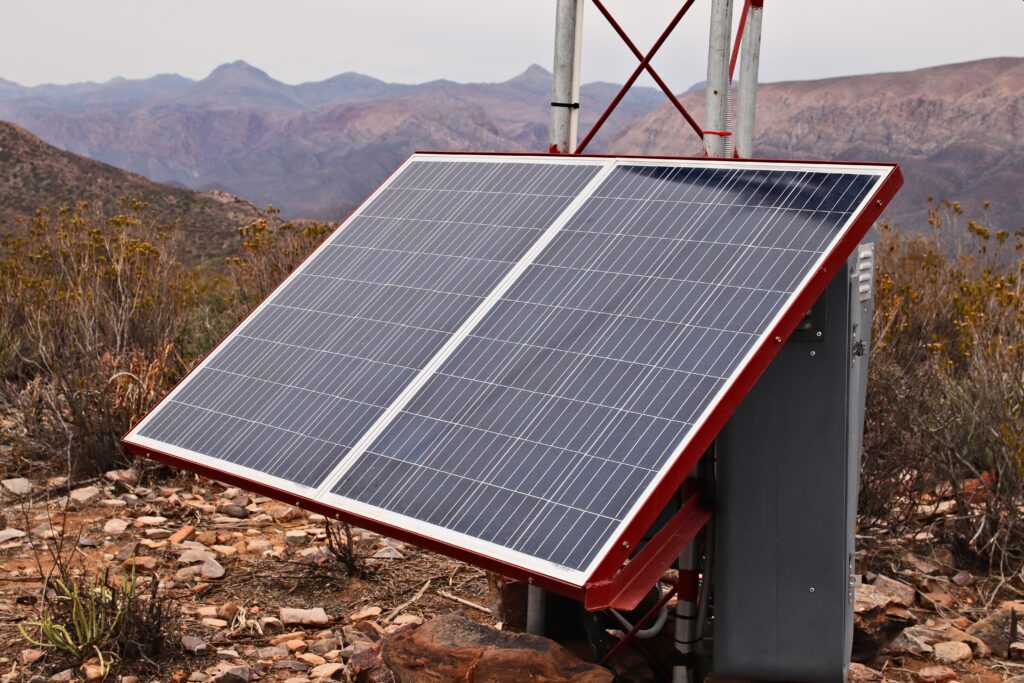
13.2kW Solar System Price in Australia: Complete Cost Breakdown, Benefits & Payback (2025 Guide) Read More »

Top 10 Solar Companies in Sydney (2025 Edition)

Top 10 solar companies in Sydney

Are you looking for the top 10 solar companies in Sydney to help you make the switch to clean energy in 2025? Choosing the right solar installer can be overwhelming with so many options out there. But don’t worry—this guide will help you navigate through the leading solar providers, ensuring you find a reliable, professional installer to meet your needs.

In this article, we’ll take a closer look at the best Sydney solar brands and NSW solar installers who have consistently demonstrated their ability to deliver high-quality, efficient solar solutions. We’ll also explore the factors that set these companies apart, making them the ideal choice for both residential and commercial solar panel installations.

Whether you’re a homeowner looking to save on your energy bills or a business seeking sustainable solutions, the top 10 solar companies in Sydney can help you get the most out of your solar investment.

Why Go Solar in Sydney?

Sydney offers a fantastic environment for solar power adoption. With its sunny climate and increasing focus on sustainability, there has never been a better time to switch to solar. Here’s why going solar in Sydney makes sense:

  • Financial Savings: Solar energy can significantly lower your electricity bills. By generating your own power, you reduce the amount of energy you need to purchase from the grid. You can opt for systems like the 3kW Solar System for smaller homes or 19.5kW Solar System for larger properties.

  • Government Incentives: NSW offers generous rebates and incentives, making it more affordable for residents and businesses to install solar systems. These benefits can reduce the upfront costs and make solar even more cost-effective.

  • Environmental Benefits: Solar energy is a clean, renewable resource. By choosing solar, you’re contributing to a greener future, helping to reduce greenhouse gas emissions and dependence on fossil fuels.

Sydney is undoubtedly one of the best cities in Australia to invest in solar power. The leading solar providers in the city are highly trusted for their reliable products and exceptional service, ensuring you get the best value for your investment.

Methodology Behind the Rankings

In selecting the top 10 solar companies in Sydney, we considered a wide range of factors to ensure that each company on this list is a top performer. Our methodology includes:

  • Customer Feedback: We analyzed reviews from trusted platforms such as Google Reviews, SolarQuotes, and ProductReview to understand the experiences of actual customers.

  • Technology and Products: The best Sydney solar brands offer high-quality, efficient solar panels that are built to last. We focused on companies that use premium products like Jinko, Trina, and Risen.

  • Service Excellence: Companies offering exceptional customer service, from consultation to installation and maintenance, ranked highly. We also considered after-sales support and warranties.

  • Installation Speed and Quality: Companies known for quick installations and meticulous workmanship were prioritized.

  • Warranties and Guarantees: Long-term warranties on both solar panels and installation work are essential for peace of mind and investment protection.

Our goal was to highlight the top 10 solar companies in Sydney that excel in performance, technology, and customer satisfaction, offering customers reliable solar energy solutions.

Top 10 Solar Companies in Sydney (2025 List)

When it comes to finding reliable and experienced NSW solar installers, this curated list of the Top 10 solar companies in Sydney highlights the top performers in the market for 2025. These companies have consistently demonstrated leadership, innovation, and exceptional customer service in the solar industry. Whether you’re a homeowner or a business looking to go green, these are the leading solar providers to trust.

1. Esteem Energy

As one of the most recognized names on the list of top 10 solar companies in Sydney, Esteem Energy is praised for its fast turnaround, typically completing installations in just one week. With CEC-accredited installers, they ensure a high standard of workmanship and safety compliance.

  • Offers premium solar panels from top-tier brands like Jinko, Trina, Risen, HT, and Eging
  • 25-year product warranty and 10-year workmanship guarantee
  • Custom-designed systems ranging from 6.6kW Solar System to 19.5kW Solar System for both homes and businesses.
  • 30-day money-back guarantee, reflecting customer confidence
  • Known for being transparent, reliable, and customer-centric
    Esteem Energy is a leader among solar panel companies that deliver consistent performance and innovation in the NSW region.

2. Better Call Solar

Another standout among the top 10 solar companies in Sydney, Better Call Solar has carved out a strong reputation through meticulous installation quality and excellent support.

  • Perfect 5.0/5 rating from 100+ customers

  • Focus on clean, neat installations with strong attention to detail

  • Exceptional after-sales service that customers consistently highlight in reviews

  • Team known for professionalism and efficiency
    This company is particularly trusted among homeowners looking for a seamless solar transition. As one of the best Sydney solar brands, their consistency and transparency set them apart.

3. Solar Concepts

Solar Concepts may be small in team size, but they rank high in terms of customer satisfaction and technical expertise.

  • 4.99/5 star average from 26 verified reviews

  • Not affiliated with large networks like SolarQuotes, yet still maintains an exceptional reputation

  • Based in Woolooware and focused on personalized solar system designs
    Their tailored approach makes them a top pick among NSW solar installers who prioritize quality over volume.

4. Empire Solar Systems

Known for reliability and customer satisfaction, Empire Solar Systems is one of the top 10 solar companies in Sydney that has earned its spot through consistent performance and integrity.

  • 4.96/5 star rating from 63 customer reviews

  • Specializes in punctual service and high-quality installations

  • Headquartered in Auburn, serving greater Sydney with a professional team
    Empire Solar is among the leading solar providers focusing on durable systems that stand the test of time. Clients appreciate their ability to explain complex systems in simple terms, helping everyday Australians make informed energy decisions.

They use trusted solar panel companies to source their equipment, ensuring maximum output and system longevity for every household and business they service.

5. Clean Earth Solar

Clean Earth Solar brings a design-forward approach to the table, offering customized systems based on actual home layout and energy use patterns.

  • 4.96/5 average rating from 35 reviews

  • Based in Tennyson, Clean Earth works across Sydney suburbs with a strong design and engineering team

  • Known for building optimized solar systems that cater to unique roof structures and shading patterns
    As one of the top 10 solar companies in Sydney, they are committed to sustainable, custom-tailored energy solutions backed by outstanding technical expertise and support.

6. RenewCo Solar

For those looking for commercial-scale solar solutions or large rooftops, RenewCo Solar is a dominant force in the Sydney market.

  • 4.95/5 from 136 reviews

  • Strong track record with large-scale solar installations, especially on business and warehouse rooftops

  • Located in Lane Cove West and services the entire Sydney metro area
    They’re highly regarded among NSW solar installers who specialize in commercial projects and advanced solar engineering. Their use of quality panels and intelligent monitoring systems positions them as a strong player in the future of urban solar development.

7. UPowr

UPowr takes a modern, technology-first approach. This company blends software-as-a-service (SaaS) with solar installation, making them one of the most innovative names among the top 10 solar companies in Sydney.

  • Uses AI to match customer data with tailored solar solutions

  • Ideal for companies in retail, finance, and tech sectors
    UPowr stands out as a leading solar provider for enterprise customers who want intelligent, fast, and optimized solar deployments.

8. Beyond Solar

A household name in Sydney’s solar space, Beyond Solar is recognized for its innovative online tools and transparent pricing.

  • Offers instant solar quoting calculators for residential customers

  • Known for smart system monitoring and strong after-sales support

  • Serves both residential and commercial clients across Sydney
    As one of the best Sydney solar brands, Beyond Solar is praised for combining digital tools with human expertise—offering the best of both worlds in customer experience.

9. SunCable

Though focused on mega-projects rather than home installations, SunCable is one of the top 10 solar companies in Sydney for its visionary role in energy infrastructure.

  • Developer of the Australia-Asia Power Link project

  • Supported by the Australian government and designed to export solar energy to Darwin and Singapore
    Their impact on the future of solar in Australia is immense. While they may not install panels on homes, their influence drives the entire industry forward, placing them among the top solar panel companies to watch.

10. Shell Energy Australia

Shell Energy’s transition into solar is transforming the industry at scale.

  • Massive solar farm in Queensland capable of powering over 50,000 homes

  • Increasing investment in renewable energy and green infrastructure
    While better known as a global energy player, Shell Energy is becoming a serious contender among the top 10 solar companies in Sydney thanks to their large-scale renewable projects and partnerships with NSW solar installers.

What Sets These Solar Companies Apart?

What makes the top 10 solar companies in Sydney truly stand out from the competition? Here are some factors that differentiate these NSW solar installers from others:

  • Long-Term Warranties: These companies offer long-term warranties on both solar panels and installation services, ensuring customers’ peace of mind and protecting their investment.

  • High-Quality Products: The best Sydney solar brands use top-quality solar panels and inverters from trusted manufacturers like Jinko, Trina, and Risen. This ensures maximum efficiency and longevity for solar systems.

  • Excellent Customer Service: From initial consultation to post-installation support, these companies are known for offering exceptional customer care, including thorough explanations of how solar works and ongoing maintenance services.

  • Smart Solar Technology: Many of these leading solar providers integrate smart technology into their systems, providing customers with real-time data on energy production and consumption.

  • Transparent Pricing: Some companies, like Beyond Solar, offer online solar calculators, providing upfront, transparent pricing, so customers know exactly what to expect without hidden fees.

Things to Look for in a NSW Solar Installer

When choosing a solar company in NSW, it’s important to look for specific qualities to ensure you’re getting the best service and value:

  1. CEC Accreditation: Make sure the installer is accredited by the Clean Energy Council (CEC), as this guarantees they meet Australian standards for solar installations.

  2. Warranties: Look for companies offering long-term warranties (at least 10 years on workmanship) to protect your investment.

  3. Customer Reviews: Check independent review sites like Google and ProductReview to see what other customers are saying about their experiences.

  4. Smart Solutions: Choose a company that offers smart solar systems for monitoring energy use and maximizing efficiency.

  5. Financial Options: Some companies offer financing options or solar loans, making it easier to afford your solar system without large upfront costs.

Conclusion

Sydney is an excellent place to invest in solar energy, with abundant sunlight, supportive government policies, and an increasing number of top 10 solar companies in Sydney offering high-quality products and services. Whether you’re a homeowner or business owner, transitioning to solar energy can provide long-term savings, sustainability, and energy independence.

By selecting one of the leading solar providers from this list, you can be confident that you’re choosing an installer who will meet your needs and exceed your expectations. Be sure to compare quotes, read reviews, and choose a company that aligns with your values and budget.

Frequently Asked Questions​

 The top 10 solar companies in Sydney include Esteem Energy, Better Call Solar, Solar Concepts, Empire Solar Systems, Clean Earth Solar, RenewCo Solar, UPowr, Beyond Solar, SunCable, and Shell Energy Australia. These companies have been selected based on customer reviews, product quality, and service excellence.

 Better Call Solar stands out with a perfect 5.0/5 rating from over 100 reviews, known for its reliable installations and outstanding after-sales service.

To select the best solar company in NSW, ensure they have CEC accreditation, long-term warranties, positive customer reviews, and offer smart technology solutions. Comparing quotes and reading feedback can also help you make a decision.

The best solar panel brands for Australian homes include Jinko, Trina, and Risen, as these brands offer high efficiency and durability suitable for Australian conditions.

Solar panels typically last 25 years or more, with many systems continuing to produce energy efficiently long after their warranty period.

Yes, solar panels are definitely worth the investment in Sydney. With a sunny climate, solar systems provide long-term savings on electricity bills, and government rebates make the initial investment more affordable.

The cost of installing solar panels in Sydney ranges between $3,000 and $10,000, depending on the size of the system and the brand of panels used.

While DIY installation is possible, it is highly recommended to hire a professional NSW solar installer to ensure your system is properly installed and meets safety standards.

Fastest & Most Secure way to
get Clean & Safe Renewable
Energy -1300 748 841

Top 10 Solar Companies in Sydney (2025 Edition) Read More »

Why Commercial Solar Companies Are Essential for Future-Ready Businesses

Commercial solar companies

Today’s businesses face an energy dilemma: how to reduce operational costs while meeting sustainability targets. The solution? Partnering with experienced commercial solar companies. These providers offer tailor-made solutions that help organisations transition away from volatile grid prices and toward clean, cost-effective power generation.

Unlike residential systems, commercial solar companies focus on high-load infrastructure—powering factories, warehouses, offices, and educational institutions. They bring together engineering precision, government incentive navigation, and seamless implementation to deliver serious ROI. Whether your organisation seeks long-term corporate energy savings or is navigating compliance with environmental standards, commercial solar is more than a trend—it’s becoming a necessity.

Why Commercial Solar Is More Than Just a Green Move

The value of solar energy has evolved well beyond environmental stewardship. Today’s commercial solar companies are helping businesses unlock a wide range of benefits—financial, operational, and reputational.

Environmental Leadership That Builds Trust

By partnering with certified commercial solar companies, businesses send a strong message about their commitment to sustainability. Installing solar reduces greenhouse gas emissions, aligns with ESG goals, and enhances public perception. Consumers and investors alike are showing stronger loyalty toward companies that take measurable action toward climate change mitigation.

Financial Incentives That Drive ROI

The combination of government rebates, small-scale technology certificates (STCs), and energy bill reductions makes solar a financially compelling investment. Many businesses achieve corporate energy savings of up to 70% on electricity expenses annually. Larger businesses may also access LGCs (Large-scale Generation Certificates), further driving ROI. Those exploring smaller-scale options for staff housing or admin facilities may consider a 5 kW solar system or a 10.5 kW solar system, depending on daily energy consumption.

Resilience & Energy Independence

With the rising unpredictability of energy markets, solar offers stability. Integrating systems with batteries and smart monitoring tools provides insulation from future price spikes. Leading commercial solar companies design systems to reduce reliance on the grid and maximise uptime, even in high-demand or remote locations. Adding a solar panel battery helps ensure that operations remain uninterrupted even during outages or peak rate periods.

Compliance with Regulations

Sustainability is no longer optional. From ISO 14001 certification to compliance with state or federal emissions guidelines, solar power helps companies stay ahead of the curve. Many B2B solar installers also assist with documentation, performance reporting, and sustainability disclosures.

Key Advantages of Working With B2B Solar Installers

While some providers focus solely on installations, B2B solar installers bring added value with end-to-end commercial project delivery. These providers serve businesses with high energy demands, complex infrastructures, and industry-specific needs.

Expertise in Large-Scale Systems

Commercial solar companies with B2B experience understand how to configure systems for factories, warehouses, offices, and multi-site operations. They manage everything from grid approvals to three-phase systems, switchboard upgrades, and energy metering.

Advanced System Design & Engineering

B2B solar installers employ qualified engineers who assess energy usage patterns and design tailored systems. This includes determining optimal panel placement, selecting inverter technology, and forecasting energy yield.

Procurement Power & Premium Technology

These companies often have established partnerships with top-tier panel and inverter manufacturers. As a result, they can source high-performance equipment at scale—ensuring durability and efficiency over decades. This is a key differentiator among top-rated commercial solar companies.

Comprehensive Support & Monitoring

Top B2B solar installers don’t just install and leave. They offer 24/7 remote system monitoring, performance guarantees, panel cleaning, and access to detailed analytics. Some also provide financial modelling tools to track savings and ROI in real time.

Which Businesses Benefit Most From Commercial Solar?

While solar can benefit almost any business, certain industries see faster ROI and more strategic impact from energy independence. Leading commercial solar companies target these high-potential sectors with custom solutions:

  • Manufacturing & Heavy Industry: High daytime energy usage and predictable schedules make manufacturers ideal solar candidates. Large roof space allows for expansive arrays that offset massive HVAC and machinery loads.

  • Retail Chains & Supermarkets: Businesses with multiple outlets or large store footprints benefit from economies of scale. Solar helps reduce cooling and lighting costs, which make up a significant portion of operational expenses.

  • Educational Institutions & Councils: Public-sector organisations gain from both energy savings and public goodwill. Many state incentives are also tailored for schools, universities, and local government facilities.

  • Agriculture & Food Processing: From irrigation systems to cold storage and processing plants, agri-businesses are reaping the benefits of industrial solar solutions. Solar also supports sustainability reporting, which is increasingly required for supply chain partnerships.

  • Warehousing & Distribution: These businesses often operate 24/7. Solar energy helps reduce lighting, HVAC, and logistics-related costs—especially when combined with smart automation.

All of these industries are increasingly turning to commercial solar companies that offer scalable, multi-site energy strategies designed around peak efficiency and long-term growth.

Choosing the Right Commercial Solar Provider

Not all providers are created equal. When researching commercial solar companies, consider:

  • CEC Accreditation: Look for Clean Energy Council-certified companies and electricians.

  • Track Record: Has the provider completed projects similar in scale and complexity to yours?

  • Client Testimonials: Look for reviews on independent platforms like SolarQuotes.

  • Warranties and Support: Choose companies offering robust performance guarantees and aftercare.

  • Financial Modelling: Reputable providers will offer energy cost projections and break-even analysis.

Trusted names in the Australian market—such as those featured by Sunwiz and SolarQuotes—often lead the way in service, performance, and value.

The Financial Side: Unlocking Corporate Energy Savings

Going solar makes financial sense. Here’s how commercial solar companies help businesses maximise returns:

  • Zero-Upfront Options: Through Power Purchase Agreements (PPAs), your business can get a solar system installed with no capital outlay.
  • Depreciation and Tax Offsets: Solar equipment can often be written off under asset depreciation rules.
  • Energy Bill Reduction: Depending on your load profile, businesses can save tens of thousands of dollars annually.
  • STCs & LGCs: Government-issued certificates further reduce installation costs.

These benefits—combined with rising grid prices—make switching to solar an essential part of modern energy strategy.

Why Industrial Solar Solutions Are the Future

Today’s solar isn’t just panels and sun exposure—industrial solar solutions integrate cutting-edge technology:

  • Battery Storage: Store excess energy for evening use or grid outages.
  • Smart Monitoring: Get real-time analytics on system performance and energy savings.
  • Hybrid Systems: Integrate solar with generators or other energy sources.
  • Load Management: Schedule high-energy tasks when solar output is highest.

With smart tech and customised design, commercial solar companies are future-proofing industrial energy systems across Australia.

Partner with Esteem Energy – A Trusted Name in Commercial Solar

If you’re searching for reliable, CEC-accredited commercial solar companies, look no further than Esteem Energy.

Esteem Energy delivers high-efficiency, customised solar solutions across Australia’s commercial and industrial sectors. Backed by a 25-year product performance warranty, the team specialises in helping businesses:

  • Reduce operational energy costs
  • Boost environmental credentials
  • Future-proof their infrastructure

From large industrial systems to residential solar panel systems, Esteem Energy covers the full spectrum of clean energy solutions.

Visit Esteem Energy or call 1300 220 354 to request a free, no-obligation commercial solar quote today.

Frequently Asked Questions​

Some of the most trusted names include Sunboost, Solgen Energy, Origin Energy, and Esteem Energy. Rankings like those from Sunwiz highlight top performers annually based on installation volume and quality.

Look for CEC accreditation, proven experience, customer reviews, strong warranties, and detailed financial proposals. Also, ensure the provider offers post-installation support.

Benefits include reduced electricity bills, improved brand image, government incentives, tax advantages, and greater energy security.

Most businesses recover their investment within 3 to 5 years, depending on system size, energy usage, and available rebates.

 It’s optional but beneficial, especially for businesses operating outside daylight hours or needing backup during outages.

Yes, depending on your consumption and available roof space. Systems can be sized to meet 100% or a portion of your energy needs.

Yes. Businesses can claim depreciation and potentially benefit from instant asset write-offs depending on current tax laws.

Installation timelines vary based on system size, but most are completed within a few weeks from approval to commissioning.

Fastest & Most Secure way to
get Clean & Safe Renewable
Energy -1300 748 841

Why Commercial Solar Companies Are Essential for Future-Ready Businesses Read More »

Perth Solar Force Reviews: What Customers Really Think About This Perth Solar Installation Company

Perth Solar Force reviews

If you’re considering making the switch to solar energy in Perth, reading Perth Solar Force reviews is an essential step in evaluating whether this company is the right choice for your home or business. Customer feedback can offer valuable insights into the quality of installation, customer service, and overall performance of the solar systems provided by Perth Solar Force. Understanding solar installer ratings and user testimonials helps ensure that you make an informed decision, which is crucial when investing in a renewable energy solution.

In this article, we’ll explore a variety of Perth Solar Force reviews from trusted sources to give you a clearer picture of what the company offers. We will also look at their strengths, areas where they could improve, and how they compare to other solar providers in Western Australia. By the end of this post, you’ll have all the information you need to decide if Perth Solar Force is the right Perth solar installation company for your needs.

Who is Perth Solar Force?

Perth Solar Force is a renowned solar installation company based in Western Australia. They provide high-quality solar panel installations for both residential and commercial properties, with a focus on efficiency and sustainability Perth Solar Force offers a wide range of services, including solar panel installation, battery storage solutions, and EV charger installations.

With a team of CEC-accredited installers, Perth Solar Force ensures that every installation adheres to the highest industry standards. They are committed to helping their customers reduce their energy bills and embrace clean energy solutions. However, before choosing this provider, it’s essential to delve deeper into solar installer ratings and explore what others have to say in their Perth Solar Force reviews.

What the Customers are Saying: A Review Summary

Perth Solar Force reviews often highlight positive customer experiences, especially regarding the quality of installation and the overall performance of the solar systems. Many customers report significant reductions in their energy costs after installation. Feedback generally focuses on the professionalism of the installation teams, the thoroughness of consultations, and the effectiveness of the solar panels.

However, there are some recurring mentions of delays in installation during peak seasons, as well as occasional challenges with post-installation support. Some customers have expressed that communication could be better, particularly when seeking assistance after the system has been installed.

Key Strengths Highlighted by Users

Based on a comprehensive review of Perth Solar Force reviews, here are some of the standout strengths that customers frequently highlight:

  • Quality of Installation: Many users praised the quality of the installation work, noting that Perth Solar Force’s team was efficient, professional, and careful in their approach to setting up the system.

  • Customer Service and Communication: While some users noted room for improvement in post-installation communication, others found the customer service team to be helpful, responsive, and informative throughout the initial consultation and installation phases.

  • System Performance: Perth Solar Force customers reported high satisfaction with the performance of their solar systems, with many saying that their energy costs were reduced significantly after installation. They found that systems like the 6-6 kW solar system offered impressive returns on investment.

  • Value for Money: Many users felt that Perth Solar Force provided great value for their investment, with competitive pricing for their high-quality systems. Comparing these costs with the 10 kW solar system from other providers shows a solid balance between price and quality.

Areas of Improvement (Based on Negative Feedback)

While the majority of Perth Solar Force reviews are positive, there are a few areas where customers have expressed concerns:

  • Post-installation Follow-up: Some customer feedback suggests that Perth Solar Force could improve in terms of follow-up communication once the system is installed. Several users mentioned that they had trouble reaching out for assistance after the initial installation was completed.

  • Communication During Peak Times: A few customers mentioned that the company’s communication could be better during busy periods, as delays in responses sometimes led to frustrations.

Addressing these concerns could improve their customer experience and solidify their standing as a top Perth solar installation company.

How Perth Solar Force Compares to Other Installers

When comparing Perth Solar Force to other solar companies in the region, there are both strengths and weaknesses to consider. While they have garnered positive user testimonials for their high-quality installations and value for money, it’s important to explore multiple options before making a final decision.

Many competing companies offer similar services, but customer feedback often highlights that companies like Esteem Energy have superior post-installation support and better communication, especially when it comes to troubleshooting and system maintenance.

Why Esteem Energy is a Smarter Choice for WA Residents

For those who want a more reliable alternative, Esteem Energy offers several compelling advantages:

  • 25-year panel warranty + 10-year workmanship warranty

  • CEC-accredited installers with extensive experience

  •  Real-time expert support available for any queries related to solar panels in WA
  • Competitive pricing and quick response time

  • Premium panels from trusted brands like Trina, Jinko, Risen, and Tongwei

If you’re ready to take the next step toward clean energy, reach out to Esteem Energy today to get your FREE quote and discover how we can help you save on energy costs.

Final Thoughts

In conclusion, Perth Solar Force reviews reflect a reputable company with many satisfied customers. Their high-quality installations, customer service, and competitive pricing make them a solid choice for those seeking solar solutions in Perth. However, some issues with post-installation communication and delays during peak periods have been mentioned in reviews.

When choosing a solar provider, it’s important to consider factors like solar installer ratings, warranty, product quality, and customer feedback. Comparing different providers can help you make a well-informed decision, ensuring that your solar system performs optimally for years to come.

Frequently Asked Questions​

Yes, Perth Solar Force reviews are generally positive, with many customers praising the quality of installation and the performance of their solar systems. However, some complaints focus on post-installation communication.

Based on user testimonials, Perth Solar Force is generally considered reliable, with efficient installation processes and high-quality products. Some delays in communication during peak times were noted by a few customers.

Customers are generally satisfied with the service provided by Perth Solar Force, particularly appreciating the system performance and professional installation. However, some customer feedback highlights issues with post-installation support.

Strengths include high-quality installations, efficient system performance, competitive pricing, and good customer service during the consultation and installation phases.

The main weaknesses pointed out by customers include post-installation follow-up and communication delays during busy periods.

Yes, Perth Solar Force is a solid choice based on positive reviews from satisfied customers. However, ensure that you evaluate their services alongside other companies.

While Perth Solar Force performs well in terms of installation quality and system performance, competitors like Esteem Energy are praised for their post-installation support and quicker response times.

Typically, Perth Solar Force offers a standard warranty on their systems, but it’s always advisable to confirm the details before proceeding. Many customers prefer installers offering a long-term panel and workmanship warranty, such as the 25-year panel warranty from Esteem Energy.

Fastest & Most Secure way to
get Clean & Safe Renewable
Energy -1300 748 841

Perth Solar Force Reviews: What Customers Really Think About This Perth Solar Installation Company Read More »

Get Your Free Quote Today

X