
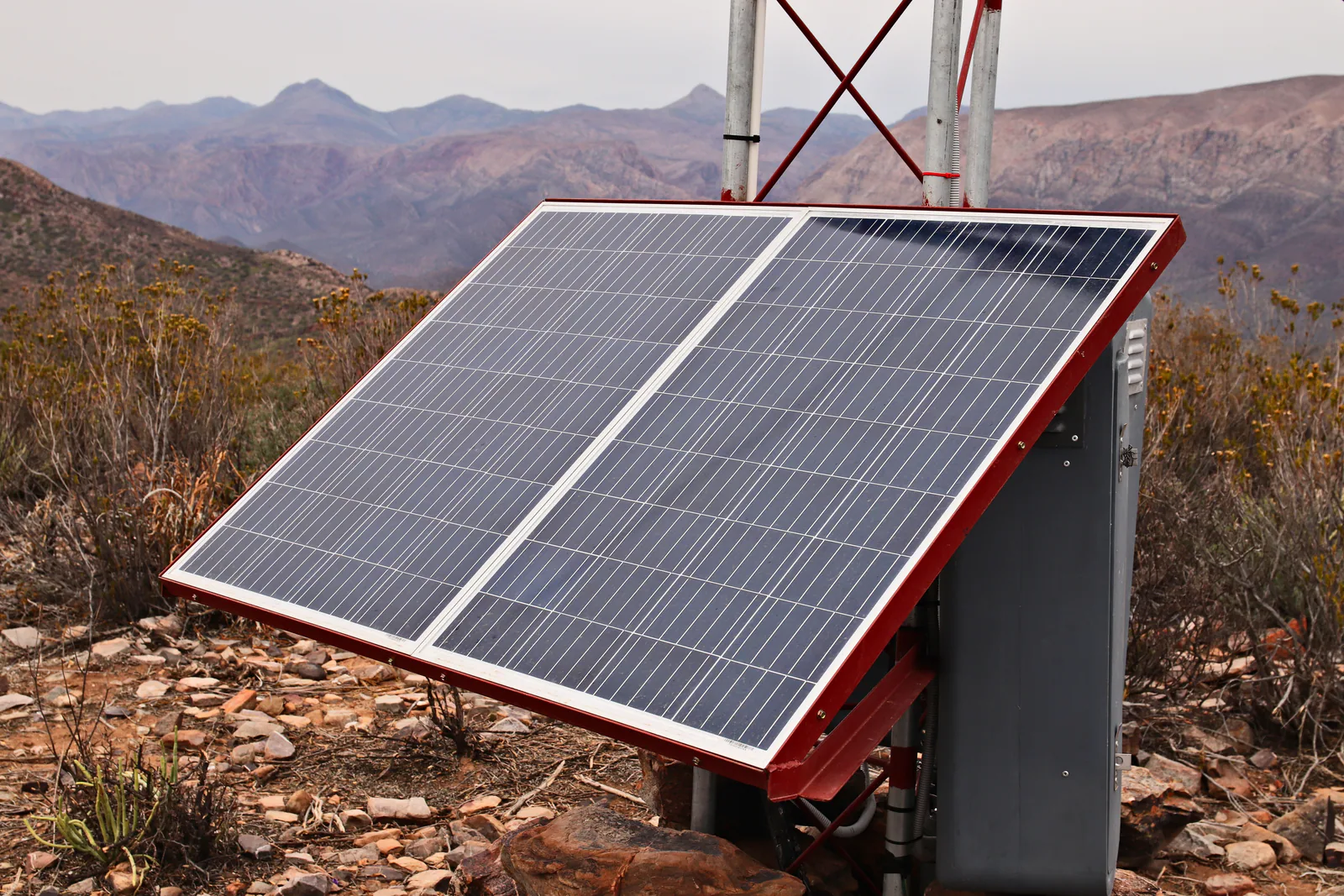
When it comes to Sungrow vs GoodWe, choosing the right solar inverter can be challenging. Both brands have carved a strong presence in the solar industry, offering innovative features and reliable performance. This article will break down Sungrow vs GoodWe to help you make the best choice based on your needs, efficiency expectations, and long-term energy savings.
In this comprehensive guide, we’ll compare everything from brand reliability to efficiency, features, and user experiences. Whether you’re a homeowner looking for a reliable residential inverter or a business considering solar for commercial use, we’ve got you covered. Let’s dive into the detailed inverter comparison between these two leading solar brands: Sungrow vs GoodWe.
Brand Overview
GoodWe at a Glance
GoodWe, founded in 2010 in China, has rapidly emerged as a strong competitor in the global solar market. Known for offering competitive pricing and smart home integration, GoodWe stands out with its hybrid options and focus on enhancing solar energy efficiency. It’s especially popular for residential setups, where price sensitivity and ease of use are key concerns. Their innovative features, like AI-powered arc detection and integrated energy management systems (EMS), make GoodWe a solid choice for modern, smart homes.
If you’re interested in residential solar systems, you might want to consider a 5 kW solar system or explore options like the 6.6 kW solar system for a balanced performance.
Sungrow Snapshot
Sungrow, established in 1997, has become a global leader in solar inverter technology. With its focus on high efficiency and extensive experience in large-scale commercial solar projects, Sungrow offers robust performance and reliable inverters that are trusted worldwide. The company’s products, known for their cutting-edge technology, high-efficiency rates, and longer warranties, cater to both residential and commercial needs. Sungrow's inverters feature advanced grid support and are built to perform in the harshest conditions.
Performance & Efficiency Battle
When choosing an inverter, efficiency is crucial because it directly impacts the performance and energy production of your solar system. Let's take a look at the efficiency battle between Sungrow vs Goodwe and compare their key specifications:
Feature | GoodWe | Sungrow |
Efficiency | ~98.3% | ~98.7% |
Max Power | 5kW (for residential models) | 5kW (for residential models) |
MPPT (Maximum Power Point Tracking) | 2 independent MPPTs | 2 independent MPPTs |
Environmental Resistance | IP65 rated (dust & moisture) | IP65 rated (dust & moisture) |
GoodWe’s inverters are known for their competitive performance, especially in residential settings. With an efficiency rate of approximately 98.3%, they’re more than capable of handling everyday energy needs. However, Sungrow inverters take the edge with a slightly higher efficiency rate of 98.7%. This small difference can result in higher energy yield over the lifetime of the inverter, especially in harsh Australian climates with intense heat and dust.
Both brands are well-suited for Australian conditions, boasting high heat tolerance and durability, making them ideal for regions prone to extreme temperatures. For more robust options, you can also check out the 10.5 kW solar system for larger households.
Innovative Features
In today’s competitive solar market, innovation is key, and both Sungrow vs Goodwe offer cutting-edge features that cater to the needs of modern solar users. Here’s a look at what each brand brings to the table:
GoodWe:
- AI-powered Arc Detection: This feature helps improve safety by detecting any potential electrical faults, preventing issues before they cause damage.
- Integrated Energy Management System (EMS): GoodWe offers a smart solution to monitor and manage energy consumption and storage, making it ideal for homes integrating solar batteries.
- Smart Energy UI: This easy-to-use interface allows users to monitor and manage their solar system in real-time from their smartphones or computers.
Sungrow:
- iSolarCloud Monitoring: Sungrow’s iSolarCloud app provides real-time monitoring, allowing users to track the performance of their solar system remotely.
- IP65 Durability: Sungrow’s inverters are built with high-level protection against dust and water, making them perfect for outdoor installations in harsh environments.
- Advanced Grid Support: Sungrow offers inverters that support complex grid requirements, ensuring your system remains compatible with local energy regulations.
Both brands are leaders in integrating smart technologies, but Sungrow may have a slight advantage for users looking for enhanced grid compatibility, while GoodWe excels in energy management and safety features.
Installation, Usability, and Monitoring
When it comes to installation and usability, both Sungrow vs Goodwe offer user-friendly experiences, but their differences are worth noting.
Installation:
- GoodWe offers an easy-to-install system, with clear instructions and good customer support from installers. The integration with solar batteries is seamless, making it a great choice for hybrid systems. If you are considering a solar panel installation, Esteem Energy offers an easy and smooth process for all solar panel systems.
- Sungrow also offers a straightforward installation process, but its additional grid-support features might require more advanced technical expertise during setup.
Usability:
Both brands provide apps for system monitoring:
- GoodWe: The user interface of the GoodWe app is clean and intuitive, making it easy to track energy production and usage.
- Sungrow: The iSolarCloud app from Sungrow offers more detailed insights into energy consumption and performance, making it an excellent choice for users who prefer in-depth monitoring.
Installer Feedback:
Installers generally find both brands easy to work with, though Sungrow’s reputation for durability and advanced features can make it the preferred choice for larger-scale installations.
Cost & Long-Term Value
When comparing Sungrow vs Goodwe, cost is a significant factor to consider. Here’s a breakdown of what you can expect:
Brand | Model (5kW) | Price (Approx.) | Warranty |
GoodWe | DNS 5kW | ~$750 | 5–10 years |
Sungrow | SG5K | ~$1000 | 10 years |
While GoodWe offers a lower initial price, Sungrow provides a longer warranty (10 years vs GoodWe's 5–10 years). Over the long term, the higher efficiency of Sungrow may offset the higher upfront cost, especially for those looking for long-term reliability.
Both brands offer solid warranties, but the peace of mind provided by Sungrow’s equipment warranty terms and slightly higher efficiency may make it a more cost-effective choice in the long run.
Real User Feedback & Industry Recognition
Both Sungrow and GoodWe have garnered strong reputations in the industry, as evidenced by user reviews and awards:
- GoodWe has received the EUPD Top Brand PV award, which recognizes the brand’s outstanding performance and user satisfaction.
- Sungrow has won the TÜV Rheinland Quality Award, which emphasizes the brand’s commitment to high-quality products.
Customer Testimonials:
- GoodWe users appreciate the affordability and reliability of the product, particularly in hybrid systems.
- Sungrow users love the efficiency and advanced monitoring features, especially for large-scale or commercial applications.
Environmental Impact & Manufacturing Practices
Both Sungrow vs Goodwe are committed to sustainability:
- GoodWe focuses on reducing carbon emissions with high-efficiency inverters that maximize solar energy production.
- Sungrow incorporates sustainable manufacturing practices and designs products that contribute to reducing environmental impact over time.
Final Verdict – Which Is Right for You?
Feature | GoodWe | Sungrow |
Best For | Budget-conscious homeowners | Performance-focused users |
Efficiency | 98.3% | 98.7% |
Warranty | 5–10 years | 10 years |
Innovation | AI-powered arc detection | iSolarCloud monitoring |
Price (5kW) | ~$750 | ~$1000 |
Recommendations:
- GoodWe is ideal for budget-conscious homeowners who need an efficient and affordable system.
- Sungrow is better suited for long-term, performance-focused customers looking for higher efficiency and extended warranty coverage.
Get Expert Help from Esteem Energy
Why Choose Esteem Energy?
- SAA-accredited installers
- panel product warranty terms & 10-year workmanship guarantee
- Fast installation (1 week) & expert advice
- Offers GoodWe & Sungrow as part of customizable systems
Ready to go solar with the perfect inverter?
Speak to the experts at Esteem Energy for tailored recommendations, pricing, and a smooth solar journey.
Conclusion
In the Sungrow vs GoodWe debate, both brands offer exceptional solar inverters, but your choice ultimately depends on your specific needs. If you're after higher efficiency, longer warranties, and advanced features for large-scale or commercial applications, Sungrow is a great choice. On the other hand, if you're looking for an affordable, reliable option with smart energy features, GoodWe offers excellent value.
Regardless of your choice, both brands provide high-quality, durable systems that can optimize your solar energy production.
Frequently Asked Questions
Q1. Which is better: Sungrow or Goodwe inverter?Sungrow vs GoodWe depends on your priorities. If you want higher efficiency and a longer warranty, Sungrow may be a better choice. However, GoodWe offers a more affordable option with a great performance-to-price ratio.
Yes, Sungrow inverters are known for their high efficiency, durability, and advanced features, making them a reliable option for both residential and commercial solar installations.
Compared to other brands, GoodWe stands out with its affordability, smart energy management systems, and integration with hybrid systems, making it ideal for residential users looking for value.
Sungrow inverters are designed with advanced grid support and high-efficiency rates, leading to slightly better performance and energy production compared to other inverters like GoodWe.
GoodWe inverters are built to last around 10-15 years, and they come with a solid warranty that offers great value.
While GoodWe is more popular in residential setups, it also offers commercial solutions with strong features like multiple MPPTs and smart energy integration.
Yes, Sungrow offers excellent inverters for residential systems, with features that ensure high efficiency, long-term reliability, and top-notch monitoring tools.
If you need cost-effective, reliable options, GoodWe is a great choice. However, if you’re looking for longer warranty, higher efficiency, and advanced features, Sungrow may be the better pick.