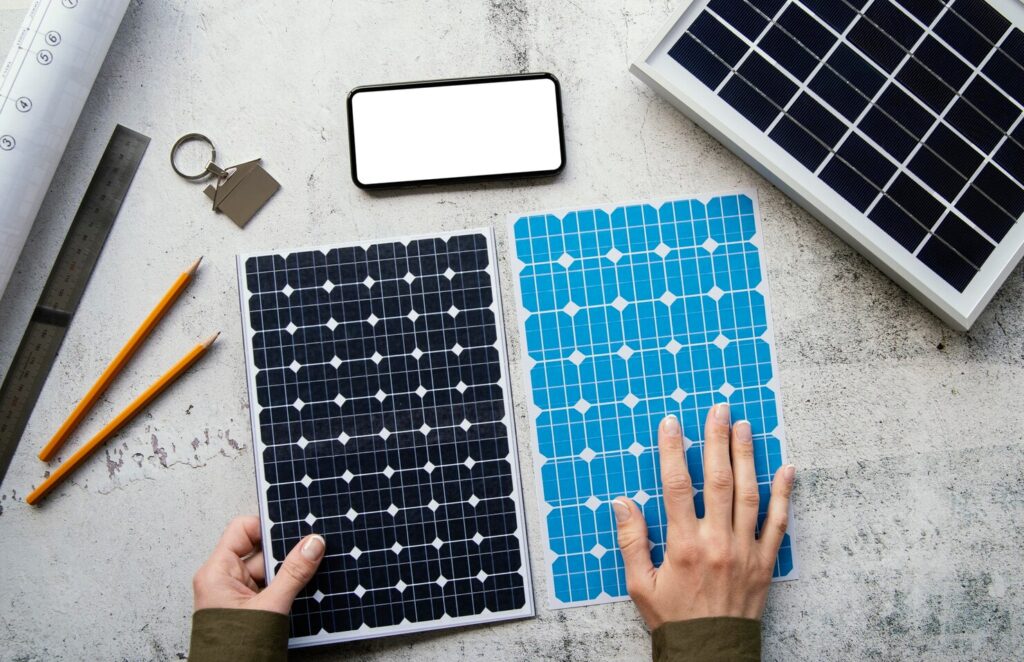
shingled vs monocrystalline panels

shingled vs monocrystalline panels

Shingled vs Monocrystalline Panels: Which Solar Technology Is Right for You?

The solar panel market is expanding rapidly, offering consumers a range of choices when it comes to solar technology. Among these choices, shingled vs monocrystalline panels are two of the most popular options. But which one is the best fit for your home? If you’re trying to decide which solar technology will provide the most efficiency, aesthetics, and durability, you’re not alone. Understanding the differences between shingled vs monocrystalline panels is essential to making an informed decision.

This article explores a solar technology comparison to guide you through the features, benefits, and drawbacks of both solar panel types. Whether you’re interested in maximizing your home’s energy output, achieving sleek aesthetics, or ensuring long-term durability, this comparison will help you navigate the best choice for your home. Additionally, we’ll cover new panel types emerging in the industry, so you can stay ahead of the curve in solar technology.

What Are Monocrystalline Solar Panels?

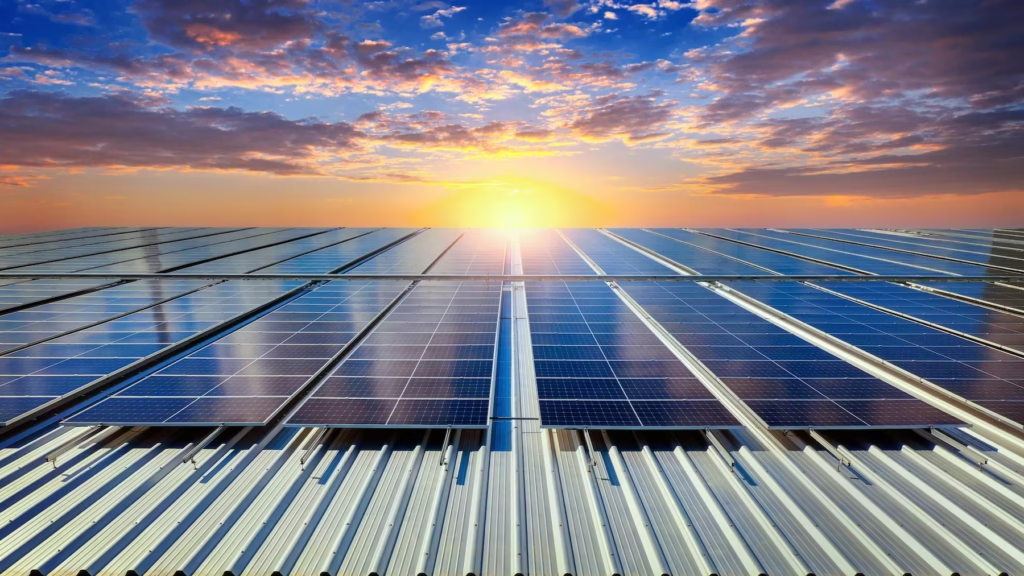
Monocrystalline panels are made from a single continuous crystal structure, which gives them their distinct dark, uniform color. They are one of the most efficient types of solar panels available today, with efficiency rates reaching up to 22%. These panels are made by slicing a large crystal of silicon into thin wafers, and each wafer forms a solar cell.

Key Benefits of Monocrystalline Panels:

  • High Efficiency: Monocrystalline panels boast the highest energy efficiency, up to 22%. This is due to the high purity of the silicon used in the manufacturing process.

  • Longevity: Monocrystalline panels are highly durable, with lifespans typically exceeding 25 years.

  • Space Efficiency: Their high efficiency allows you to generate more power in a smaller area, making them ideal for homes with limited roof space.

Ideal Use Cases: Monocrystalline panels are best for homeowners who want to maximize power generation in a limited space. They’re also a good choice for urban environments where roof space is at a premium.

What Are Shingled Solar Panels?

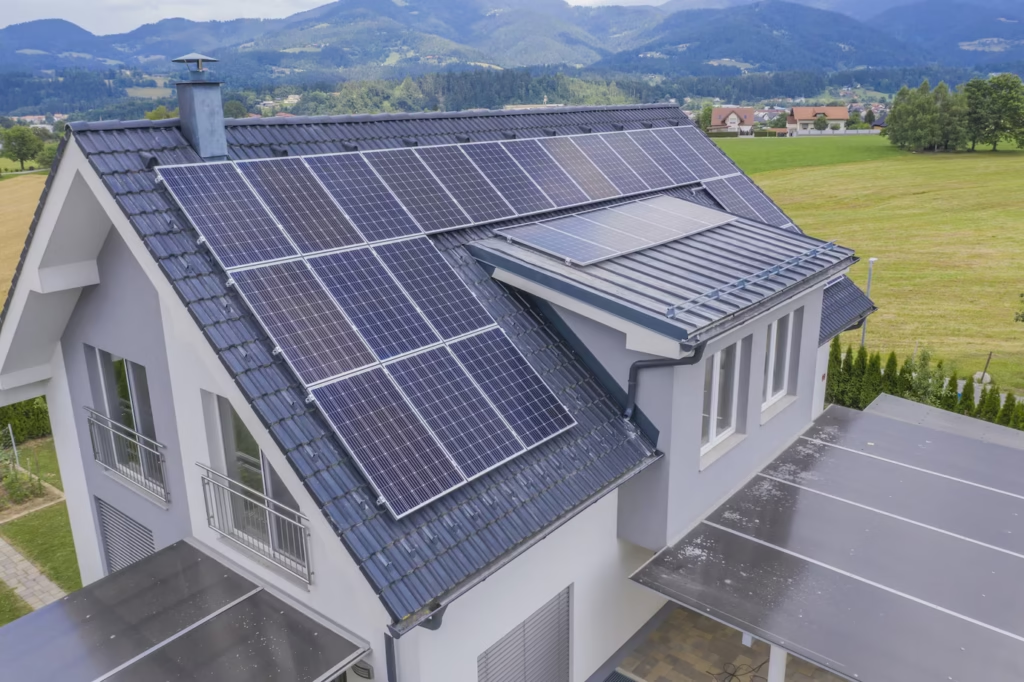
Shingled solar panels represent an innovative approach to solar panel design. Rather than using traditional busbars to connect individual cells, shingled panels employ an overlapping design, where the cells are arranged like shingles on a roof. This unique design offers several benefits over traditional panels.

Key Benefits of Shingled Panels:

  • Improved Efficiency: By reducing the gaps between solar cells, shingled panels can achieve better overall efficiency compared to traditional panels, especially in low-light conditions or partial shading.

  • Better Shading Performance: The unique design minimizes the impact of shading, so shingled panels continue to generate power even when parts of the panel are covered in shade.

  • Aesthetic Appeal: Shingled panels provide a sleek, black, seamless design that’s aesthetically pleasing and blends well with most roof types.

  • Durability: The interlocking cells are less likely to suffer damage from external forces, increasing the durability of shingled panels.

Ideal Use Cases: Shingled panels are a great choice for homeowners who are concerned with aesthetics or those living in areas with partial shading. Their ability to continue generating power even under shaded conditions makes them a strong contender for shaded rooftops.

Side-by-Side Comparison: Shingled vs Monocrystalline Panels

Now that we’ve explored the features of each panel type, let’s compare the key characteristics of shingled vs monocrystalline panels.

Efficiency

  • Monocrystalline: Monocrystalline panels are highly efficient, with some reaching up to 22% efficiency. This makes them a great choice for homes with limited roof space.

  • Shingled: Shingled panels offer comparable efficiency, sometimes exceeding traditional monocrystalline panels due to reduced gaps between cells.

Aesthetics

  • Monocrystalline: These panels are sleek and have a uniform design, but they lack the seamless, modern look of shingled panels.

  • Shingled: Shingled panels provide a seamless, black design that blends more harmoniously with your roof, making them ideal for homeowners focused on aesthetics.

Durability & Shading Performance

  • Monocrystalline: While monocrystalline panels are highly durable, they can suffer from shading issues. If a part of the panel is shaded, the output can be significantly reduced.

  • Shingled: Shingled panels perform better under shading conditions due to the interlocking design, which allows the panels to continue functioning even when parts of the panel are covered.

Cost

  • Monocrystalline: Monocrystalline panels are typically more affordable than shingled panels. Their time-tested technology makes them more widely available, often at a lower cost.

  • Shingled: Shingled panels are a newer technology and tend to be more expensive, though their performance in shaded areas and aesthetic appeal can justify the extra cost for some homeowners.

Availability & Market Adoption

  • Monocrystalline: Monocrystalline panels are widely available, and their established market presence makes them easy to find. They are produced by many well-known brands.

  • Shingled: Although newer to the market, shingled panels are growing in popularity, particularly for premium installations. Leading brands like SunPower offer these panels.

The Future of Solar Technology: New Panel Types to Watch

As solar technology evolves, several new panel types are emerging that could further enhance the performance of solar systems. Here are a few exciting advancements to keep an eye on:

  • Bifacial Panels: These panels capture sunlight on both the front and back sides, increasing overall energy generation.

  • Thin-film Panels: While these panels are lightweight and flexible, they are generally less efficient than traditional panels like monocrystalline and shingled options.

  • Solar Shingles: Solar shingles combine solar technology with traditional roofing materials, providing an aesthetic, integrated roofing solution that generates electricity.

At Esteem Energy, we pride ourselves on staying ahead of the curve by offering the latest in solar technology, including Trina, Tongwei, and HT panels.

Which Panel Should You Choose?

When choosing between shingled vs monocrystalline panels, it ultimately depends on your specific needs and preferences:

  • Monocrystalline Panels: Ideal if you are looking for budget-friendly, reliable, and highly efficient panels for limited roof space.

  • Shingled Panels: Perfect if you value aesthetics or need better shading performance for a roof with obstructions like trees or buildings.

  • Hybrid Systems: For those wanting a blend of both technologies, you may want to explore a hybrid solution that combines the best features of both

Why Choose Esteem Energy for Your Solar Needs?

At Esteem Energy, we offer top-tier solar solutions that align with your needs and budget. Whether you’re interested in shingled vs monocrystalline panels, we provide a wide selection of premium panels, including Jinko, Trina, and Risen. Our team of CEC-accredited installers is committed to delivering efficient, long-lasting solar solutions. We also offer custom system sizing, with options like 6.6kW, 10.5kW, or 13.3kW systems, ensuring you get the perfect fit for your home.

Our 5-star service rating, fast installation, and long warranties ensure that you can count on us for a reliable, professional solar installation. We also comply with Australian standards, guaranteeing that your system is built to last.

Ready to Make the Switch?

At Esteem Energy, we help you choose the right solar technology tailored to your home and budget. Whether you’re drawn to sleek shingled panels or reliable monocrystalline options, our expert team ensures smooth installation and long-term performance.

Frequently Asked Questions

Q1. What are shingled solar panels?

 Shingled solar panels are an innovative type of solar panel where the cells overlap each other, creating a “shingle-like” design. This helps to reduce gaps, improve efficiency, and offer better performance under shading conditions.

Q2. Which is better: shingled or monocrystalline?

 Both types of panels have their advantages. Monocrystalline panels are known for their high efficiency and affordability, while shingled panels offer better performance in shaded conditions and a more aesthetically pleasing design. The best choice depends on your specific needs.

Q3. Are shingled panels worth the price?

 Shingled panels tend to be more expensive than monocrystalline panels, but they offer advantages in terms of aesthetic appeal, efficiency under shading, and durability. If these factors are important to you, the higher cost may be justified.

Q4. How do monocrystalline panels compare in efficiency to other types?

Monocrystalline panels offer efficiency rates up to 22%, making them one of the highest-performing options available. They are more efficient than polycrystalline and thin-film panels.

Q5. Can shingled panels perform better in partial shading?

 Yes, shingled panels perform better under partial shading compared to traditional solar panels. Their unique design reduces the impact of shading on energy production.

Q6. Are monocrystalline panels more expensive than polycrystalline?

 Yes, monocrystalline panels are typically more expensive than polycrystalline panels due to their higher efficiency and the manufacturing process involved.

Q7. How long do monocrystalline panels last?

 Monocrystalline panels have a lifespan of 25 to 30 years, making them a long-term investment for your home’s energy needs.

Q8. Do shingled panels look better than traditional solar panels?

Many homeowners prefer the look of shingled panels because of their sleek, seamless black design. This aesthetic quality makes them a popular choice for those looking for a modern, stylish appearance for their roof.

shingled vs monocrystalline panels Read More »

best home batteries australia

best home batteries australia

Best Home Batteries Australia: Top Solar Battery Options & Tesla Powerwall Alternatives for 2025

As energy prices continue to rise and Australian households increasingly embrace solar power, the demand for the best home batteries Australia has never been higher. In 2025, home energy storage systems are no longer a luxury—they are a necessity for homeowners looking to reduce their reliance on the grid, store excess solar energy, and protect themselves from blackouts. The best home batteries offer cost-saving benefits, contribute to energy independence, and ensure reliability in emergencies.

This guide will cover the top solar batteries currently available, explore some of the most popular Tesla Powerwall alternatives, and help you understand how to choose the best solution for your home in 2025. If you’re looking to invest in the best home batteries Australia, you’re in the right place to learn about your options and make an informed decision.

Why Home Battery Storage is Booming in 2025

The market for home energy storage 2025 is booming, driven by several key factors:

  • Solar Panel Growth: As more Australians install solar panels, the need for batteries to store excess energy has grown.

  • Rising Energy Prices: Homeowners are looking for ways to cut costs by storing solar energy during the day and using it during high-demand periods.

  • Government Incentives: Incentive programs and Virtual Power Plant (VPP) initiatives make the installation of best home batteries even more attractive.

  • Energy Independence: With climate change and power grid reliability concerns, people are seeking ways to protect their homes from power outages by investing in energy storage solutions.

  • Blackout Protection: Batteries offer an additional layer of protection by providing power during grid outages, keeping essential appliances running.

In 2025, home energy storage 2025 represents a strategic move for Australian homeowners who are looking to take control of their energy usage, reduce reliance on the grid, and maximize the potential of their solar systems.

What Makes a Great Home Battery?

When searching for the best home batteries Australia, there are several critical factors that determine battery quality and performance. Here’s what to look for:

1. Battery Chemistry: LFP vs NMC

  • LFP (Lithium Iron Phosphate): Safer, longer lifespan, more cost-effective.

  • NMC (Nickel Manganese Cobalt): Higher energy density, but usually more expensive.

2. Cycle Life and Round-Trip Efficiency

  • Cycle life refers to how many times the battery can charge and discharge before its capacity is significantly reduced. Batteries with a higher cycle life offer better long-term value.

  • Round-trip efficiency indicates how much energy is lost during the charge and discharge process. A higher efficiency means less wasted energy and better performance.

3. Usable Capacity and Modularity

  • Usable capacity tells you how much of the stored energy can actually be used. For larger households or high energy consumption, you’ll need a battery with higher usable capacity.

  • Modularity refers to the ability to expand the system over time. Modular systems allow you to add more batteries as your energy needs increase.

4. Warranty and Support

A long-lasting warranty is important for peace of mind, typically spanning 10–15 years. It’s also important to choose a manufacturer that offers solid customer support in case any issues arise during the life of the system.

5. Integration with Solar Inverters

Your battery system should integrate smoothly with your solar inverter to ensure that energy is stored efficiently and used when needed. Some batteries are designed to work best with certain inverter brands, so compatibility should be checked.

Tesla Powerwall: Still King of the Hill?

The Tesla Powerwall has set the standard for home energy storage in Australia and remains one of the best home batteries Australia. With its impressive 13.5 kWh capacity, high efficiency, and sleek design, the Powerwall continues to be a popular choice. Tesla’s reputation for innovation and reliability also contributes to its appeal.

However, the Tesla Powerwall is not the only option on the market. While it offers excellent performance, its premium pricing may be prohibitive for some homeowners. Additionally, the popularity of Tesla has sparked interest in more affordable alternatives that still provide great value.

Tesla Powerwall Alternatives Worth Considering in Australia

Several Tesla Powerwall alternatives provide high performance, reliability, and better value for money. Consider the following options:

  • BYD Battery-Box Premium HVM

    • Capacity: 13.8 kWh

    • Chemistry: LFP

    • Warranty: 10 years

  • Sungrow SBR

    • Capacity: 10 kWh

    • Chemistry: LFP

    • Warranty: 10 years

  • Alpha ESS SMILE

    • Capacity: 10 kWh

    • Chemistry: LFP

    • Warranty: 10 years

  • LG Chem RESU

    • Capacity: 9.8 kWh

    • Chemistry: NMC

    • Warranty: 10 years

  • Redback Technologies

    • Capacity: 10 kWh

    • Chemistry: LFP

    • Warranty: 10 years


Each of these alternatives offers competitive pricing and performance, making them viable choices for homeowners seeking best home batteries Australia without the high cost of a Tesla Powerwall.

Top Solar Batteries in Australia (2025 Picks)

In 2025, these are some of the best home batteries Australia for solar storage. Here’s a list of top solar batteries based on performance, cost, and warranty:

  • BYD Battery-Box Premium HVM: A versatile modular system ideal for homeowners looking to expand their storage capacity.

  • Sungrow SBR: Offers excellent value and efficiency at an affordable price.

  • Tesla Powerwall: The most well-known and reliable option with high efficiency and performance.

  • Alpha ESS SMILE: Smart integration and user-friendly features for a seamless experience.

  • Redback Technologies: An Australian-made product offering great value and support.

  • LG Chem RESU: A compact, high-quality option for premium customers.

These top solar batteries are tailored for the Australian climate and can help you maximize your solar energy savings, depending on your energy needs.

How to Choose the Right Battery for Your Home

When choosing the best home batteries Australia, consider the following factors to ensure you select the right system:

1. Off-Grid vs Grid-Connected Systems

  • Off-grid systems are ideal for homeowners seeking energy independence and who live in areas with unreliable grids.

  • Grid-connected systems allow you to store solar energy and sell excess power back to the grid, providing additional savings.

2. Desired Level of Energy Independence

If you want to rely completely on solar energy, opt for a battery with a higher capacity. For those seeking backup power during peak hours or blackouts, a smaller system may suffice.

3. Budget Range

  • Entry-level batteries typically range from $5,000 to $8,000.

  • Premium batteries with larger capacities and advanced features can cost $15,000 or more.

4. Installer Support and Post-Sale Service

Make sure the battery system you choose is backed by reliable CEC-accredited installers who provide post-sale service and technical support for optimal performance.

Final Thoughts 

Choosing the best home batteries Australia in 2025 depends largely on your specific needs and goals. Whether you want maximum energy savings, backup protection, or a long-term investment with high ROI, there’s a solution for every homeowner. By comparing factors like capacity, price, warranty, and energy independence, you can find the ideal battery for your home.

For homeowners looking for the most value from their investment, Tesla Powerwall alternatives such as the BYD Battery-Box Premium HVM or Sungrow SBR are excellent choices. Whether you’re upgrading an existing solar system or installing new energy storage, these batteries provide great options for reliable, efficient energy storage.

Ready to Invest in the Best Home Batteries in Australia? Contact Esteem Energy Today!

Looking for the best home batteries Australia for your solar energy system? Esteem Energy offers a range of high-performance solar batteries, complete with 25-year warranties and CEC-accredited installers. Our expert team can guide you in choosing the best home battery for your needs, ensuring maximum energy savings, reliability, and ease of use.

Get a quote today and make the switch to smarter, more reliable energy solutions with Esteem Energy!

Frequently Asked Questions

Q1. What is the best solar battery in Australia?

 The best solar battery in Australia depends on your specific needs. Popular choices include the Tesla Powerwall, BYD Battery-Box Premium HVM, and Sungrow SBR, offering excellent performance and value.

Q2. Which home battery gives the best ROI?

 Batteries with long cycle lives, high round-trip efficiency, and low upfront costs typically offer the best ROI. The Sungrow SBR and BYD Battery-Box Premium HVM are solid options for maximizing ROI.

Q3. What are the most trusted brands for solar batteries?

 Trusted brands for solar batteries in Australia include Tesla, BYD, LG Chem, Sungrow, and Redback Technologies. These brands are known for their reliability, performance, and long warranties.

Q4. How long do home batteries last?

Most home batteries last between 10 to 15 years, with warranties typically covering this period.

Q5. Can I add more batteries later?

 Yes, many modern best home batteries Australia are modular, allowing you to expand your storage capacity as your needs grow.

Q6. Is home battery storage worth it?

 Yes, home battery storage is worth it if you want to reduce your energy bills, increase energy independence, and protect your home from blackouts.

Q7. What is the price range for home batteries in Australia?

 Prices for home batteries in Australia range from $5,000 for entry-level systems to over $15,000 for premium options, depending on the capacity and features.

Q8. How do I know which battery is right for my home?

Consider your energy needs, budget, and the level of energy independence you want. Consulting with an expert like Esteem Energy can help you find the best home battery for your specific situation.

best home batteries australia Read More »

can you add solar panels to existing system

can you add solar panels to existing system

Can You Add Solar Panels to an Existing System? A Complete Homeowner’s Guide to Solar Expansion

If you’ve ever wondered, “Can you add solar panels to an existing system?”, the good news is that it’s absolutely possible! As energy demands grow or your current system proves insufficient, many homeowners are exploring solar system upgrades to increase their energy independence. Whether it’s for a new electric vehicle (EV) or to reduce ever-increasing electricity bills, expanding your existing solar system can be a smart choice.

In this guide, we’ll dive deep into the steps involved in adding panels to your system, what to consider during the process, the costs associated with system expansion, and much more. So, if you’re asking yourself, “Can you add solar panels to an existing system?”, let’s get you all the answers you need.

Why You Might Need to Add More Panels

There are many reasons why homeowners look into adding panels to their solar systems. These include:

  1. Lifestyle Changes: If you’ve recently purchased an electric vehicle (EV), added new appliances, or even begun using a solar battery, your energy demand may have grown beyond what your current solar setup can handle. System expansion allows you to adjust your solar capacity to meet these new needs.

  2. Rising Electricity Bills: If your energy bills are climbing and your existing system isn’t generating enough power to cover your household’s needs, adding panels can help you capture more sunlight and offset the rising costs of grid electricity.

  3. Undersized Original System: In some cases, when the initial solar system was installed, it may not have been sized appropriately for the home’s energy requirements. System expansion provides a simple way to upgrade the system without completely replacing it.

Is Your Existing System Compatible?

Before you proceed with adding panels to your existing solar system, it’s essential to determine if your current setup is compatible with the new additions. Here’s what to consider:

1. Inverter Limitations

The inverter in your system plays a critical role in converting the energy generated by your panels into usable electricity. However, not all inverters are capable of handling the added capacity of additional panels. To assess if your inverter is compatible with a solar system upgrade, you’ll need to check its size and efficiency. If the inverter cannot handle more panels, it may need to be replaced.

2. Age of the Original System

Older systems may have less efficient components that struggle to work optimally with newer, high-performance panels. Adding panels to an outdated system could also result in reduced energy production. You may want to consider upgrading your system’s components (such as the inverter and battery) when adding new panels.

3. Panel Brand/Model Matching

Solar panels are designed to work within a specific brand or model system. If your existing panels are from a different manufacturer than the new ones, they may not work efficiently together, leading to mismatched voltage and output. Always ensure that any new panels match the specifications of your existing setup for optimal performance.

4. String vs Microinverter Considerations

If your system uses string inverters, adding more panels may present a challenge. String inverters combine multiple panels into one group or “string” for energy conversion, which can reduce efficiency if the panels have different characteristics. However, microinverters, which allow each panel to operate independently, offer more flexibility when adding panels to an existing system.

Cost of Adding Panels to an Existing System

Expanding your solar system isn’t free, and the cost of adding panels depends on several factors. Let’s break down the typical expenses:

Average Cost-Per-Watt

The price per watt of solar panels can vary depending on the brand and efficiency of the panels. On average, you can expect to pay between $0.70 and $1.50 per watt for new panels. The cost of installation, including labor and additional equipment, can bring the total price up, but it’s still a cost-effective solution when you compare it to the long-term savings on electricity bills.

Additional Installation or Equipment Fees

Besides the cost of the panels themselves, there are additional fees to consider. These may include installation costs, inverter upgrades, wiring, and mounting systems for the new panels. Depending on the complexity of the installation and the components needed, these costs can range from $500 to $2,000 or more.

Government Incentives and Rebates

Many regions offer financial incentives, rebates, or tax credits for homeowners looking to expand their solar systems. For example, in some areas, adding panels may qualify you for local rebates or federal tax credits. Be sure to research any available incentives to help lower the cost of your solar system upgrade.

Cost Table for Adding Panels:

Number of Panels

Estimated Cost

Added Output (kW)

4 Panels

$2,000 – $3,000

~1.6 kW

6 Panels

$3,000 – $4,500

~2.4 kW

Benefits of Expanding Your Solar System

Expanding your solar system by adding panels can have significant long-term benefits. Here are just a few of the reasons why more homeowners are opting for system expansion:

  1. Increased Savings on Energy Bills: More panels mean more power generated by your solar system, reducing your reliance on grid electricity. This can lead to substantial savings on monthly energy bills.

  2. Battery Storage Compatibility: If you’re considering adding a solar battery in the future, expanding your solar system can help charge it more efficiently. The added panels will provide the necessary energy to store for later use.

  3. Future-Proofing Your Home’s Energy Needs: With energy demand continuing to rise, system expansion ensures your solar system is capable of handling future increases in electricity consumption. It also provides flexibility to power new technologies like EVs and home appliances.

Potential Challenges to Consider

While expanding your solar system can be beneficial, there are some potential challenges that homeowners should be aware of:

  1. Roof Space or Shading Issues: If your roof is already covered with solar panels, adding more may not be feasible unless you have adequate additional space. Additionally, shading from trees or other structures can affect the efficiency of your panels.

  2. Grid Connection Rules: Local utility companies may have specific regulations about how much energy you can export to the grid. It’s essential to be familiar with these rules to avoid any conflicts when expanding your system.

  3. Feed-in Tariffs: If you’re on a feed-in tariff, check whether adding panels will impact your eligibility or payments. Some tariffs have limits on the number of panels that can be added without changing the rate you receive for exporting power.

Should You DIY or Hire a Professional?

When considering adding panels to your solar system, it’s essential to evaluate whether you should handle the installation yourself or hire a professional.

DIY Installation

While DIY solar installations can be cost-effective, it’s important to consider the risks. Incorrect installation could damage your equipment, void warranties, and reduce the system’s overall performance. Additionally, electrical work can be dangerous if not done correctly.

Hiring a Professional

A certified solar installer will ensure your solar system upgrade is completed according to local regulations and safety standards. Professionals also offer warranties on their work, which can provide peace of mind.

How to Start a Solar System Expansion

Ready to expand your solar system? Here’s how to get started:

  1. Evaluate: Assess your home’s energy consumption and decide how many additional panels you need.

  2. Get a Quote: Contact certified installers to get a quote for your expansion.

  3. Assess Roof Space: Ensure your roof has enough space for the additional panels.

  4. Install: Once everything is in place, the installation can begin.

  5. Test: After installation, have your system tested to ensure everything is working as expected.

Choosing the Right Installer: Why Esteem Energy Is the Smart Choice

When it comes to solar system upgrades, choosing the right installer is crucial. Here’s why Esteem Energy is the best choice for your system expansion:

  • CEC-accredited Installers: Our team is fully licensed, ensuring high-quality and compliant installations.

  • Top-tier Panels: We use only the best panels, including Trina, Jinko, and RISEN, for top-notch performance.

  • Comprehensive Warranties: Our 25-year panel warranty and 10-year workmanship guarantee give you peace of mind.

  • Fast and Transparent: We provide fast responses, clear quotes, and hassle-free installations.

Ready to expand your solar system?  Let Esteem Energy help you get the most out of your home’s solar potential. Contact us today for a free quote and expert guidance.

Conclusion

So, can you add solar panels to an existing system? The answer is a definitive yes! Whether you’re looking to reduce your energy costs, power an electric vehicle, or future-proof your energy needs, system expansion offers a flexible and cost-effective solution. With careful planning and the right professional help, adding panels can be a rewarding investment in your home’s energy future.

Frequently Asked Questions

Q1. Can I expand my current solar setup?

 Yes, you can. Expanding your solar setup is a common practice, and many homeowners successfully add panels to their existing system.

Q2. How do I add panels to an existing solar system?

Adding panels involves assessing your current system for compatibility, determining the number of panels you need, upgrading equipment (like the inverter if needed), and hiring a professional installer.

Q3. Are there limits to how many panels I can add?

Yes, the number of panels you can add depends on factors such as roof space, inverter capacity, and local regulations.

Q4. Can I add solar panels to any existing system?

Most systems can be expanded, but it depends on your inverter’s capacity and the age of your existing system. Compatibility is key.

Q5. What costs are involved in adding solar panels?

 The cost includes the price of the panels, installation fees, inverter upgrades, and potentially roof modifications.

Q6. Do I need a new inverter to add panels?

 It depends on your current system. If your inverter can handle the extra load, you won’t need a new one. Otherwise, you may need an upgrade.

Q7. How long does it take to add panels to my solar system?

 The installation process typically takes a few days, depending on the complexity and the number of panels being added.

Q8. Can I install additional solar panels myself?

While DIY installations are possible, it’s recommended to hire a certified professional to ensure safety, compliance with regulations, and the efficiency of your solar system upgrade.

can you add solar panels to existing system Read More »

longi vs jinko solar panels

longi vs jinko solar panels

Longi vs Jinko Solar Panels: Which Brand Delivers More Value in 2025?

Choosing the right solar panel brand is crucial to ensuring high energy efficiency, long-term savings, and a reliable power supply. If you’re researching longi vs jinko solar panels, this article is your complete guide.

As Australian households increasingly shift to solar energy, two brands frequently stand out—LONGi and Jinko. These giants in the solar industry are well-known for innovation, value for money, and excellent global reputations. But when it comes to making a choice in 2025, how do you know which is right for your home?

In this post, we break down every important detail in the LONGi vs Jinko comparison, from technology like PERC vs Mono to efficiency ratings, warranties, real-world performance, and what customers are actually saying in recent market reviews. You’ll also see why so many Australians trust Esteem Energy, a provider focused on quality, CEC-accredited installers, and unbeatable solar value.

Brand Overview

Who is LONGi?

LONGi Solar has made a global name for itself through a strong focus on advanced monocrystalline panel technology. With an emphasis on research, LONGi has become one of the leading solar panel producers worldwide.

  • Headquartered in Xi’an, China

  • Operates in over 150 countries

  • Specializes in high-efficiency mono panels

  • Strong performance in both residential and commercial systems

When evaluating longi vs jinko solar panels, LONGi consistently impresses with its cutting-edge technology and impressive energy retention over time.

Who is Jinko?

Jinko Solar is one of the world’s most widely distributed solar panel manufacturers. Known for its mass production capabilities and early adoption of PERC cell technology, Jinko offers affordable options without major compromises on quality.

  • Based in Shanghai, China

  • Leading exporter to Australia, the US, and Europe

  • Recognized for delivering cost-effective panels at scale

  • Strong performance for homes on tighter budgets

The LONGi vs Jinko comparison here highlights a choice between technological leadership and affordability.

Technology Comparison

PERC vs Mono: What’s the Difference?

Understanding PERC vs Mono technology is key in the longi vs jinko solar panels decision.

  • Monocrystalline (LONGi):

    • Made from a single silicon crystal

    • Typically offers higher efficiency

    • Performs well in low-light conditions

    • Known for longevity and premium aesthetics

  • PERC (Jinko):

    • Passivated Emitter Rear Cell technology

    • Adds a reflective layer to improve sunlight capture

    • Increases output during early morning and late afternoon

    • Affordable and widely used in residential systems

While both technologies are effective, monocrystalline panels from LONGi generally offer slightly better efficiency in Australia’s climate. However, PERC panels from Jinko provide exceptional value for the price.

Efficiency Ratings & Degradation

Let’s break down their efficiency and durability over time.

  • LONGi:

    • Efficiency ranges from 21.0% to 22.3%

    • Annual degradation rate around 0.45%

    • Expected power output retention after 25 years: ~84%

  • Jinko:

    • Efficiency ranges from 20.5% to 21.6%

    • Annual degradation rate around 0.50%

    • Expected output retention after 25 years: ~83%

The real difference in longi vs jinko solar panels comes down to efficiency over decades—LONGi holds a slight edge.

Warranty and Reliability

In Australia, durability matters. You want panels that can handle high heat, sudden storms, and dust buildup. Here’s how each brand stands out:

  • LONGi:

    • 12-year product warranty

    • 25-year performance warranty

    • High resistance to environmental stress

  • Jinko:

    • 12 to 15-year product warranty (depending on the model)

    • 25-year performance warranty

    • Known for strong quality control and fewer defects

Backed by Esteem Energy, both LONGi and Jinko panels come with full installation support and warranties honored through our CEC-accredited installer network.

Cost vs Value

Budget is a major factor when comparing longi vs jinko solar panels, especially for homeowners wanting fast returns.

  • LONGi:

    • Higher upfront cost per watt

    • Ideal for those prioritizing long-term performance

    • Shorter payback period when matched with high sunlight exposure

  • Jinko:

    • Lower upfront cost per watt

    • Attractive to homeowners on a budget

    • Slightly longer payback in lower-efficiency zones but great ROI

The decision ultimately depends on your energy goals—lower upfront investment with Jinko or higher lifetime value with LONGi.

Market Sentiment and Reviews

Recent market reviews and forum insights paint a clear picture of public sentiment around longi vs jinko solar panels:

  • LONGi:

    • Frequently praised for long-term reliability

    • Popular with installers for its build quality

    • Viewed as a “premium but worthwhile” option by homeowners

  • Jinko:

    • Widely praised for affordability

    • Performs well under diverse Australian weather conditions

    • Often chosen in rental properties and budget-conscious installs

The LONGi vs Jinko comparison in consumer feedback reflects confidence in both brands, with each having its niche.

Which Solar Panel Should You Choose?

If you’re still deciding between longi vs jinko solar panels, here’s a quick guide to help:

  • Choose LONGi if:

    • You want the most efficient panel possible

    • You’re building a long-term home or commercial system

    • You value slower degradation and higher resale value

  • Choose Jinko if:

    • You want an affordable system that delivers solid performance

    • You’re installing panels on a rental or investment property

    • Budget is your primary concern, but you still want reliability

At Esteem Energy, we help you match the right panel to your goals, location, and energy needs.

Why Trust Esteem Energy for Your Solar Needs?

Choosing a reliable solar installer is just as important as picking the right panel. Esteem Energy offers:

  • CEC-accredited solar system installers

  • Quality products including both LONGi and Jinko panels

  • Extended warranties up to 25 years

  • Transparent pricing with no hidden fees

  • Fast turnaround and responsive customer service

Whether you’re looking at longi vs jinko solar panels for your home, farm, or business, our experts will design a custom solution that balances cost and performance.

Get Your Free Quote from Esteem Energy

Don’t leave your solar decision to chance. Contact Esteem Energy today for a free consultation and expert advice on longi vs jinko solar panels.

  • Free Quote
  • Solar ROI Estimates
  • Tailored System Designs
  • Jinko and LONGi Available

Make a smart choice—go solar with confidence.

Frequently Asked Questions

Q1. LONGi or Jinko: which is better for home solar?

Both are excellent, but LONGi panels are slightly better for homeowners looking for top-tier efficiency and long-term reliability. Jinko is better for homeowners on a budget.

Q2. Do LONGi panels outperform Jinko in Australia?

Yes, in terms of efficiency and long-term performance, LONGi panels tend to outperform Jinko in many Australian conditions, especially in areas with high sun exposure.

Q3. Which brand is more affordable: Jinko or LONGi?

Jinko is generally more affordable upfront. It’s an ideal choice for budget-conscious consumers or rental property installations.

Q4. Are LONGi and Jinko both Tier 1 brands?

Yes, both are considered Tier 1 by BloombergNEF, meaning they are financially stable and produce high-quality panels.

Q5. Is PERC better than Mono?

Not necessarily. PERC is a type of improvement often added to mono panels. LONGi uses monocrystalline technology, while Jinko uses PERC, both offering strong performance.

Q6. How long do LONGi and Jinko solar panels last?

Both panels are built to last 25 years or more. LONGi may offer slightly better long-term efficiency retention.

Q7. Do I qualify for government rebates with either brand?

Yes. Rebates are based on system size and installation, not the panel brand. Both LONGi vs Jinko solar panels qualify for Australian solar rebates.

Q8. Can Esteem Energy help me decide between LONGi and Jinko?

Absolutely. Our experts will evaluate your location, energy needs, and budget to recommend the ideal panel. We offer both options with full installation and support.

longi vs jinko solar panels Read More »

are trina solar panels any good

are trina solar panels any good

Are Trina Solar Panels Any Good in 2025? Real-World Output, Installer Feedback, and Performance Insights

Are Trina solar panels any good in 2025? That’s one of the most common questions Australians ask when comparing solar brands. With energy prices rising and solar incentives still available, choosing the right solar panel is a long-term decision. In this comprehensive guide, we’ll help you decide if Trina Solar is the right investment for your home or business.

We’ll look at Trina panel performance, real-world output, and installer feedback—the three pillars that reveal the true quality of any solar product. With decades in the solar game, Trina has built a global reputation, but the key question remains: Are Trina solar panels any good for Australian conditions in 2025?

Who Is Trina Solar?

Trina Solar is a Tier 1 solar panel manufacturer, founded in 1997 and headquartered in China. With a presence in over 100 countries, Trina is one of the most respected names in the renewable energy industry. The company has supplied over 150 gigawatts of solar panels globally, and continues to lead in innovation, sustainability, and manufacturing quality.

Its panels are commonly used in both large-scale utility projects and residential rooftops throughout Australia, the United States, Europe, and Asia. Trina’s reputation for quality and consistency is one of the reasons homeowners often ask, “Are Trina solar panels any good?”

Trina Panel Performance in Real-World Conditions

If you’re investing in solar, you want to know how well the panels will perform over the years. Trina panel performance has been well-documented in a variety of climates, including Australia’s harsh summer conditions.

Here’s what you can expect from a typical Trina solar panel:

  • Efficiency between 20% and 21.6%, depending on the model (such as Vertex S and Vertex S+)

  • A degradation rate of about 0.4% to 0.5% annually, which means better long-term power retention

  • Performance tested and proven in dusty, hot, and coastal regions across Australia

These figures translate into excellent real-world output, especially when paired with a quality inverter and proper installation. Over the years, many Australians have reported minimal energy loss and steady production, even in extreme temperatures.

So, are Trina solar panels any good for long-term value and daily performance? For most users, especially those in high-sun regions like Queensland or Western NSW, the answer is a resounding yes.

Installer Feedback: What the Experts Are Saying

To determine are Trina solar panels any good, we reached out to professional solar installers and industry reviewers who work with Trina panels regularly.

Here’s a summary of their installer feedback:

  • Installers find Trina panels easy to mount, compatible with most racking systems, and well-designed for Australian rooftops

  • Long-standing solar professionals at SolarQuotes and Solar Choice report few service issues and solid post-sale support

  • U.S.-based reviews from SolarReviews show strong reliability and performance even 5–10 years after installation

One Brisbane-based installer said: “We’ve installed Trina for nearly a decade and rarely see any issues—they’re solid panels with consistent support from the supplier.”

The consensus from these professionals is clear: Trina solar panels offer great value, reliable performance, and trustworthy warranties, making them a smart choice for most Australian households.

How Does Trina Compare to Other Solar Brands?

Many homeowners ask not only are Trina solar panels any good, but also how they compare to other well-known brands. Here’s a general comparison based on efficiency, reliability, and value:

  • Trina: Efficiency up to 21.6%, excellent reliability, strong warranty, affordable

  • Jinko: Similar efficiency, slightly lower long-term output, comparable price

  • SunPower: Higher efficiency (22%+), premium pricing, industry-leading warranties

  • LONGi: Reliable and affordable, often used in commercial installs

When you weigh up performance, cost, and support, Trina strikes a strong balance—especially for homeowners seeking long-term savings without the premium cost of ultra-high-end brands.

So again, are Trina solar panels any good compared to the competition? Yes, particularly when you want bankable performance without overpaying.

Cost & Warranty: Are Trina Panels Worth the Money?

Are Trina solar panels any good when it comes to overall value? Let’s break down the costs and what you get in return.

Typical Costs in Australia (including install and rebates):

  • 6.6kW system with Trina panels: $5,000 to $6,500

  • 10kW system with Trina panels: $8,500 to $10,000

These prices are competitive, especially given the strong warranties and local support Trina provides.

Warranty coverage includes:

  • 25-year product warranty covering material defects

  • 25-year performance warranty, ensuring no less than 84.8% efficiency after 25 years

  • Local warranty service centres and support teams in Australia

Considering these factors, are Trina solar panels any good when it comes to financial value? Absolutely. You get reliable output, great warranty terms, and a lower upfront cost than many competitors.

Sustainability & Green Manufacturing

Another reason people ask are Trina solar panels any good is due to the brand’s approach to sustainability.

Trina’s manufacturing facilities have received:

  • ISO 14001 Environmental Certification

  • Recognition for low-lead, recyclable materials

  • Proven salt mist and ammonia resistance for coastal and rural areas

In addition, the Vertex S+ series uses N-type TOPCon cells, which offer higher efficiency and lower long-term degradation, making them both greener and more effective.

Real-World Installations and Case Studies

Want to know how Trina panel performance holds up over time? Let’s look at some actual Australian installations.

Residential – Sydney Suburbs

  • System: 6.6kW with Trina Vertex S 440W panels

  • Output: 28–32 kWh/day in summer, 18–22 kWh/day in winter

  • Result: ~4.5-year payback period, near-zero electricity bills

Commercial – Regional NSW Farm

  • System: 10kW ground-mount installation

  • Output: Consistent even in dusty and hot conditions

  • Installer feedback: “Minimal performance drop after 3 years”

This proves that real-world output from Trina panels is highly dependable, even in demanding environments.

Should You Buy Trina Panels in 2025?

If you’re still wondering are Trina solar panels any good, here’s a quick final verdict.

Why Choose Trina?

  • Proven real-world performance

  • Excellent installer feedback

  • Solid efficiency and long-term warranties

  • Competitive cost and wide product availability

Trina panels are ideal for:

  • Homeowners wanting value and reliability

  • Installers looking for easy-to-work-with systems

  • Australians needing panels that stand up to sun, salt, and dust

Are Trina solar panels any good for Australian homes and businesses in 2025? The evidence says yes—they deliver dependable performance, affordability, and peace of mind.

Ready to Install Trina Panels? Work with Esteem Energy

At Esteem Energy, we’re proud to install Trina Solar panels across NSW and Queensland. As a CEC-accredited solar retailer, we offer:

  • Premium Trina products like the Vertex S 440W

  • 25-year warranties

  • Friendly support and fast installation

Are Trina solar panels any good when installed by certified professionals like us? Even better. Contact us today for a free, tailored quote and let us help you lower your power bills.

Frequently Asked Questions

Q1. Is Trina a reliable solar panel brand?

 Yes, Trina is a Tier 1 manufacturer with over two decades of proven performance worldwide. Their panels are widely trusted by installers and homeowners alike.

Q2. How efficient are Trina panels in Australian climate?

 Trina panels perform very well in hot, sunny climates. Their heat tolerance and strong real-world output make them a great fit for Australia.

Q3. What’s the lifespan of Trina solar panels?

 Trina panels are built to last. With a 25-year performance warranty, most panels can function effectively for 25 to 30 years.

Q4. Are Trina panels good for residential use?

 Yes, Trina panels are an excellent choice for homes. They offer solid Trina panel performance at a lower price than many premium brands.

Q5. What kind of inverter works best with Trina panels?

Trina panels pair well with leading inverter brands such as Fronius, Sungrow, and GoodWe.

6. Do Trina panels degrade quickly?

No, Trina panels degrade slowly—about 0.4%–0.5% annually—ensuring strong power output over decades.

Q7. Can Trina panels handle salt mist and coastal weather?

 Yes. Trina panels are certified for salt mist resistance, making them suitable for coastal regions.

Q8. Are Trina solar panels any good for commercial projects?

 Absolutely. Many commercial and utility-scale projects use Trina panels due to their scale, reliability, and value.

are trina solar panels any good Read More »

solis inverter vs fronius

solis inverter vs fronius

Solis Inverter vs Fronius – Which One Should You Choose in Australia?

As the demand for solar energy continues to grow in Australia, choosing the right inverter is crucial to ensure your solar system operates efficiently and effectively. Among the many options available, two brands stand out in the Solis inverter vs Fronius debate. These two brands offer distinct advantages, making them suitable for different needs and preferences.

In this comprehensive guide, we will break down the key differences between Solis inverters and Fronius inverters, helping you understand the strengths and weaknesses of each. We’ll explore everything from efficiency and performance to price and warranty, providing you with a detailed inverter comparison Australia. By the end of this article, you’ll be well-equipped to decide which inverter best suits your solar energy needs.

Understanding the Basics: What is a Solar Inverter?

Before diving deep into the Solis inverter vs Fronius comparison, it’s essential to understand the role of a solar inverter in your system. The inverter is a key component of any solar power system. It converts the direct current (DC) electricity produced by your solar panels into alternating current (AC), which is what powers your home or business.

Inverters also play a crucial role in maximizing the energy generated by your solar panels. Their efficiency, durability, and compatibility with your solar setup can impact how much of the energy generated is usable, ultimately influencing the return on your investment. For homeowners and businesses looking to harness solar power effectively, selecting the right inverter is a key decision.

Brand Overview

Solis Inverters

Solis Reviews:
Solis is a Chinese brand that has gained a strong reputation in the Australian solar market due to its affordability and dependability. Known for providing budget-friendly options, Solis inverters are ideal for residential setups that require a simple yet effective solar solution. Many Solis reviews highlight its ease of use, reliability, and energy efficiency.

The company’s inverters are equipped with hybrid capabilities, making them suitable for energy storage systems. They are commonly chosen by homeowners who are looking for a cost-effective way to power their homes with solar energy. While they might not have the advanced features of higher-end models, Solis offers great value for money.

Fronius Inverters

Fronius Pros and Cons:
Fronius, an Austrian brand, is synonymous with high-end solar technology. While Fronius inverters come with a premium price tag, they offer an extensive range of advanced features that make them highly efficient and reliable. Many users consider Fronius a top choice for larger installations or commercial applications due to its advanced monitoring capabilities, dynamic peak manager, and exceptional performance.

When reviewing the Fronius pros and cons, it’s clear that the brand excels in offering outstanding efficiency and durability. The downside, however, is the higher upfront cost. For some, the price may be a barrier, but those looking for a long-term investment may find the Fronius inverter more than worth the cost.

Key Feature Comparison: Solis vs Fronius

To make an informed choice between Solis inverter vs Fronius, let’s dive into a direct feature comparison:

Feature

Solis

Fronius

Efficiency

Up to 98.7%

~98.5% + Smart Optimization Tech

Monitoring Capabilities

Basic Wi-Fi monitoring

Advanced Solar.web Portal

Durability & Warranty

5-year standard, 10-year optional

10-year standard or extended options

Price

Affordable, budget-friendly

Higher upfront cost, premium value

Efficiency & Performance

  • Solis: Known for a solid efficiency rate of up to 98.7%, Solis inverters are designed to deliver reliable performance while keeping costs low. They are a great choice for homeowners who want a no-frills, effective solution.

  • Fronius: Fronius inverters offer slightly lower efficiency at 98.5%, but they come with smart optimization technology, which maximizes energy production in various environmental conditions, ensuring your system runs optimally even in cloudy or shaded areas.

Monitoring Capabilities

  • Solis: Solis inverters offer basic Wi-Fi monitoring, which allows users to check their system’s performance via a mobile app. While functional, the monitoring is relatively straightforward, focusing more on essential metrics.

  • Fronius: Fronius offers a more advanced solution with the Solar.web portal, which provides detailed monitoring and control options. This system allows you to track the performance of multiple inverters, offering more comprehensive insights into your energy production.

Durability & Warranty

  • Solis: Solis offers a 5-year standard warranty for its inverters, with the option to extend this to 10 years. While this provides adequate coverage, it’s shorter compared to some of its competitors.

  • Fronius: In contrast, Fronius provides a 10-year standard warranty, with the option to extend this further. This longer warranty period provides peace of mind and is particularly valuable for homeowners and businesses looking for a long-term investment.

Price & Value

  • Solis: If you’re on a tight budget, Solis offers affordable inverters without compromising on performance. These inverters are ideal for small to medium-sized residential setups.

  • Fronius: Fronius inverters come at a premium price, but they offer exceptional value in terms of performance, efficiency, and long-term durability, making them a better fit for large-scale installations or commercial projects.

Best Use Cases for Each Inverter

Solis: Ideal for Budget-Conscious Homeowners

If you’re a homeowner looking for an affordable solar solution, Solis is the ideal choice. These inverters are perfect for small to medium-sized systems, providing great value without the need for advanced features.

Fronius: Best for Long-Term Performance & Commercial Applications

For businesses or homeowners who want to invest in a system that offers long-term performance, Fronius is a premium option. It’s especially suitable for commercial applications or large residential systems that need advanced features and long-term reliability.

Expert Take: Real-World Feedback from Users

Solis Reviews:
Users often praise Solis for being affordable, with many describing it as great value for money. However, some users note that the software and monitoring capabilities could be more advanced compared to higher-end brands.

Fronius Reviews:
Fronius is consistently rated highly for its premium performance and advanced monitoring options. Users appreciate the excellent customer support provided by the brand, though the higher initial cost can be a downside for budget-conscious buyers.

Inverter Comparison Australia – What You Should Consider

When making an inverter comparison in Australia, consider factors like climate compatibility, support availability, grid compatibility, and the warranty offered by the manufacturer. Both Solis and Fronius are designed to handle Australia’s climate, but you may want to opt for the more robust Fronius inverter if you’re located in a region with extreme weather conditions.

Why Choose Esteem Energy for Your Inverter Installation?

At Esteem Energy, we provide expert installation for both Solis and Fronius inverters. As CEC-certified installers, we ensure that your solar system operates at peak efficiency. Our customers benefit from:

  • 25-year panel warranties

  • 10-year workmanship warranties

  • Local expertise and excellent customer service

Let us help you choose the best solar solution for your needs. As we always say, “The right decision at the right time can save you lots of money!”

Ready to power your home with the best inverter solution?  Get a free quote from Esteem Energy today and make the most of Australia’s solar potential.

Frequently Asked Questions

Q1. Which inverter is better: Solis or Fronius?

The choice between Solis and Fronius depends on your needs. If you’re looking for an affordable solution with solid performance, Solis is a great choice. However, if you need advanced features and long-term durability, Fronius may be the better option.

Q2. Is Fronius worth the higher cost?

Yes, Fronius inverters come with a higher upfront cost, but their efficiency, advanced monitoring, and long-term durability make them a worthwhile investment, especially for large systems.

Q3. What are the common issues with Solis inverters?

Some Solis users report issues with the basic software and monitoring capabilities, although the inverter’s performance and reliability are generally praised.

Q4. What is the warranty for Solis inverters?

Solis offers a 5-year standard warranty, with an option to extend it to 10 years for additional peace of mind.

Q5. Can I monitor my Solis inverter remotely?

Yes, Solis inverters come with basic Wi-Fi monitoring, allowing you to track performance remotely via a mobile app or computer.

Q6. What are the advantages of Fronius over Solis?

Fronius offers advanced features, including a Solar.web portal, better monitoring capabilities, and a longer warranty, making it a more premium option compared to Solis.

Q7. Are Solis inverters suitable for commercial applications?

While Solis inverters are great for residential setups, Fronius is generally better suited for larger commercial applications due to its advanced technology and scalability.

Q8. What makes Fronius inverters more expensive?

 The higher cost of Fronius inverters is due to their premium technology, advanced monitoring features, and longer warranty periods, which provide greater value over time.

solis inverter vs fronius Read More »

how to check solar panel output

how to check solar panel output

How to Check Solar Panel Output: A Step-by-Step Guide for Effective Solar Power Monitoring

If you’re wondering how to check solar panel output, you’re not alone. As solar energy becomes increasingly popular, knowing how to effectively monitor your system’s performance is essential for maintaining optimal energy production and ensuring long-term savings. Whether you’re a homeowner or a business owner, checking solar panel output regularly is a key part of managing your solar system’s efficiency.

By learning how to check solar panel output, you can easily detect underperformance, maximize your savings, and reduce potential energy losses. This guide will help you understand the essential steps and tools required to test solar output, including the importance of solar power monitoring, checking inverter readings, and how to test panel voltage. Ready to optimize your solar energy system? Let’s dive in!

Why Monitoring Solar Output Matters

The Cost-Benefit of Detecting Underperformance Early

One of the primary reasons to regularly check solar panel output is to detect underperformance early. By understanding how to check solar panel output, you can identify issues like dirt, shading, or even faulty equipment before they significantly affect your energy production. Early detection helps you address problems quickly and prevents costly repairs or energy loss.

Environmental Impact of Maximizing Solar Efficiency

Maximizing solar efficiency is not only beneficial for your wallet but also for the environment. The more efficiently your system operates, the more renewable energy you’re producing, reducing your reliance on fossil fuels and cutting down on carbon emissions. Monitoring the output ensures you’re making the most of your investment in clean energy.

Solar Power Monitoring Helps Maintain Consistent Energy Savings

Solar power monitoring systems are a great way to track the performance of your solar panels in real time. With continuous tracking, you’ll be able to spot any discrepancies between actual performance and expected output, enabling you to make adjustments or repairs as needed to maintain consistent energy savings.

Tools You’ll Need to Test Panel Output

To check solar panel output accurately, you’ll need the right tools. Here’s what you should have on hand:

  • Digital Multimeter: A digital multimeter is essential for measuring voltage and current, which are crucial indicators of your system’s performance. It’s necessary when testing the panel voltage.

  • Clamp Meter: A clamp meter measures current without needing to disconnect the system. It’s an excellent tool for monitoring energy flow non-intrusively.

  • Access to Inverter Interface/App: Many modern inverters come with apps or interfaces that let you check inverter readings remotely. This gives you valuable insight into your solar system’s real-time performance.

Safety First

Before you start checking your solar panel output, it’s crucial to prioritize safety:

  • Turn Off Load Connections: Disconnect the load connections before performing any tests to avoid electrical hazards.

  • Use Insulated Gloves and Tools: Always use insulated gloves and tools to protect yourself from high voltage.

  • Reference Manufacturer Guidelines: Consult the manufacturer’s guidelines to ensure you’re following the proper safety protocols specific to your system.

Step-by-Step: How to Check Solar Panel Output

Now that you know the tools and safety precautions, here’s a detailed, step-by-step guide on how to check solar panel output.

a. Test Panel Voltage (Voc)

Testing the open circuit voltage (Voc) is a crucial first step. It tells you how much voltage your solar panel generates when it’s not connected to any load.

How to Test Panel Voltage:

  1. Safely disconnect the panel from the system.

  2. Set your multimeter to measure DC voltage.

  3. Measure the voltage across the panel’s terminals.

Tip: For accurate results, test the panel voltage during peak sunlight hours when the panel is producing the highest output.

b. Check Inverter Readings

Inverters are integral to your solar power system. They convert the DC electricity produced by your panels into AC electricity that can be used in your home or business. Many inverters have apps or built-in displays that allow you to easily check inverter readings.

  1. Open the app or display on your inverter.

  2. Cross-check the real-time output against the system’s expected performance.

  3. If the output seems significantly lower than expected, there could be a problem with the inverter or other system components.

c. Measure Short Circuit Current (Isc)

Measuring the short circuit current (Isc) helps verify the current your solar panel is capable of producing under optimal conditions. This measurement helps ensure the panel is performing to specifications.

  1. Set your multimeter to measure DC current.

  2. Measure the current directly at the panel’s terminals.

  3. Compare the result to the panel’s specified Isc value.

d. Test Under Load

Testing your panel under load simulates real-world conditions. It helps you understand how the panel performs when it’s actively powering your devices.

  1. Connect a resistive load to the system (e.g., a light bulb or appliance).

  2. Measure the voltage and current while the load is active.

  3. Compare your measurements to the expected performance to determine if the system is underperforming.

Interpreting Results

Once you’ve completed the tests, it’s time to interpret the results:

  • Healthy Output: If the output is close to the expected values based on your panel specifications, your system is functioning well.

  • Acceptable Variances: A small variance may occur due to weather conditions or minor shading. These variations are usually acceptable.

  • When to Be Concerned: If your output is consistently much lower than expected, or if any tests fail significantly, it could indicate issues with the panels, inverter, or wiring that need professional attention.

Common Issues and Fixes

Regular monitoring helps you identify common issues that can reduce solar panel efficiency:

  • Dirty Panels: Dust or debris can block sunlight. Clean your panels regularly to maximize efficiency.

  • Shading: Trees, buildings, or other obstructions can cause shading, leading to significant output loss. Trim any trees or relocate panels if necessary.

  • Faulty Connections: Loose or corroded connections can reduce performance. Inspect the wiring and connections regularly.

  • Inverter Issues: If your inverter isn’t converting DC power to AC power efficiently, your system won’t perform well. Check inverter readings regularly to ensure it’s operating correctly.

Using Solar Power Monitoring Systems

Solar power monitoring systems have become a valuable tool for many solar owners. These systems allow you to track performance in real-time and access detailed reports of your solar panel output. Here are some of the benefits:

  • Real-Time Tracking: Monitor energy production continuously, ensuring you’re always aware of your system’s performance.

  • Alerts: Get notifications if performance drops below a certain threshold, allowing you to address problems promptly.

  • Historical Data: Review past performance and identify patterns or recurring issues that could require maintenance.

When to Call a Solar Expert

Although regular maintenance and monitoring can help you spot many issues, sometimes you’ll need to consult a professional:

  • Persistent Underperformance: If your system consistently fails to meet expected output levels, despite troubleshooting, a technician may need to inspect it.

  • System Faults or Inverter Errors: Inverter failures or system faults require expert intervention.

  • System Audits and Maintenance: Periodic professional audits help ensure the system is running optimally and can catch problems before they cause significant damage.

Why Esteem Energy is Your Trusted Solar Partner

At Esteem Energy, we specialize in optimizing solar energy systems for maximum efficiency. Our CEC-accredited installers provide high-quality panels, advanced solar power monitoring tools, and expert maintenance services to ensure your solar system operates at peak performance. With top-tier warranties and professional support, we help you get the most out of your solar investment.

Ready to maximize your solar performance? Contact Esteem Energy today for a free system health check and monitoring consultation!

Frequently Asked Questions

Q1. How can I check the output of my solar panels?

You can check the output of your solar panels by testing panel voltage, using a clamp meter for current readings, and checking inverter readings for real-time performance data.

Q2. What tools are used to measure panel performance?

 Essential tools for measuring panel performance include a digital multimeter, a clamp meter for non-intrusive current measurements, and access to an inverter’s app or interface to check inverter readings.

Q3. Can I monitor solar output from my phone?

 Yes, many modern inverters come with apps that allow you to check inverter readings and monitor the performance of your solar system directly from your phone.

Q4. How often should I check my solar panel output?

 It’s recommended to check your solar panel output at least once a month, but more frequent checks are beneficial, especially after harsh weather conditions.

Q5. What is the best time to test solar panel voltage?

 Test panel voltage during peak sunlight hours, which typically occur around midday. This is when the panels will be generating their maximum output.

Q6. What do I do if my solar panels are underperforming?

First, check for common issues like dirt, shading, or faulty connections. If the issue persists, consider checking inverter readings or consulting a professional technician.

Q7. How do I know if my inverter is working correctly?

 Check inverter readings using your inverter’s app or display interface. If the output is significantly lower than expected, it may indicate an issue with the inverter.

Q8. When should I call a solar expert?

 If you notice persistent underperformance, or if your solar power monitoring system identifies ongoing issues, it’s time to consult a solar expert for a thorough inspection.

how to check solar panel output Read More »

solar panels not working

solar panels not working

Solar Panels Not Working? A Complete Guide to Solar Fault Diagnosis and Quick Fixes

Are your solar panels not working as expected? Many homeowners find themselves frustrated when their solar systems fail to perform efficiently, and it’s often not immediately clear what’s causing the problem. Whether it’s a solar fault diagnosis, inverter error, or a panel issue, knowing the root cause of your system’s underperformance can save you time and money.

In this comprehensive guide, we will explore common reasons why solar panels are not working, offer solutions for diagnosing and fixing the issue, and answer frequently asked questions. With Esteem Energy’s expert knowledge and guidance, you can troubleshoot the problem and get your system back to peak performance.

Is Your Solar Panel System Really Not Working?

Before you assume your solar panels not working is a major issue, it’s important to confirm if your system is truly malfunctioning. Here are some signs to look out for:

  • No change in electricity bills: One of the biggest indicators that your solar panels are not generating power properly is if your electricity bills haven’t decreased despite using solar energy.

  • Inverter flashing red: If your inverter is displaying a red light or error codes, it’s a sign that there may be an issue with the system.

  • Monitoring app showing zero output: Many modern solar systems come with an app or portal that tracks the energy output. If the app is showing zero or very little power generation, your panels might not be working efficiently.

By checking these signs, you’ll quickly be able to assess whether your solar panels are not working as they should.

Common Reasons Solar Panels Stop Working

Understanding why your solar panels are not working can help you address the problem quickly. Here are some of the most common issues that cause solar systems to stop generating power:

1. Dirty or Obstructed Panels

If your solar panels are not generating power, one of the first things to check is whether they’re dirty or obstructed. Things like tree shade, bird droppings, dust, or even leaves can block sunlight from reaching your panels, decreasing their performance.

  • Tree shade: Shading from trees can significantly reduce your system’s efficiency, especially during peak sunlight hours.

  • Debris buildup: Leaves, dust, and even bird droppings can accumulate on the surface of the panels, blocking sunlight and reducing energy output.

Regular cleaning can help prevent this issue and ensure your panels are working optimally.

2. Inverter Errors

If your solar panels are not working and you notice your inverter flashing red or showing an error code, the issue is likely with the inverter itself. The inverter is a crucial component of your solar system because it converts the energy generated by your panels into usable power. If it’s malfunctioning, your panels might not generate any power at all.

  • Flashing lights and error codes: If the inverter is showing an error or flashing lights, this could be due to a number of issues, from a simple inverter error to more serious system failures.

Around 80% of solar faults are tied back to the inverter. It’s always a good idea to check for these issues as soon as possible.

3. Tripped Breaker Switches

A solar panel system not working may also be due to a tripped breaker. If your circuit breaker has tripped, it could interrupt the flow of power. This can happen if there are fluctuations in voltage or if the system has overheated. Checking and resetting the breaker may resolve the issue.

4. Induced Degradation (PID)

Induced degradation (PID) refers to the loss of efficiency in older solar panels. If your panels are aged or made from lower-quality materials, they may suffer from this issue, resulting in a significant decline in performance. PID can be especially common in lower-end panels that are more susceptible to wear and tear over time.

5. Physical Damage (Micro-cracks)

Hail, storms, and general wear and tear can cause physical damage to solar panels. Micro-cracks can develop over time, which can create hot spots and reduce energy output. It’s important to inspect your panels regularly for any visible signs of damage.

DIY Solar Fault Diagnosis Checklist

If you’ve noticed your solar panels not working, there are a few simple steps you can take to troubleshoot the issue before calling a professional. Here’s a helpful solar fault diagnosis checklist:

  1. Check your solar monitoring system: Log into your monitoring app or portal to see if your system is showing normal output. If the system is showing zero output, that’s a clear sign of a malfunction.

  2. Inspect the inverter for error codes: Look for any flashing lights or error codes on your inverter. These codes can help you identify the problem.

  3. Perform a visual check on your panels: Check for any physical damage, dirt, or debris on the panels. Clean them if necessary.

  4. Test the breaker switch: Ensure that the breaker hasn’t tripped. If it has, reset it and see if the system starts functioning again.

  5. Look for physical obstructions: Check for any shading or objects blocking the sunlight from hitting your panels.

If none of these steps resolve the issue, it may be time to call in a professional for a more detailed diagnosis.

Advanced Issues Requiring Professional Help

While many issues can be resolved with DIY panel troubleshooting, some problems require the expertise of a professional. Here are some common advanced issues:

  • Battery storage issues: If you have a battery storage system, it could be the cause of your solar panels not working properly. A malfunctioning battery can prevent your system from storing excess energy, making it seem like your panels aren’t producing power.

  • Grid synchronization errors: Your solar system needs to synchronize with the grid to work efficiently. If there’s an issue with this synchronization, it may prevent your solar panels from generating power.

  • Poor installation or wiring faults: If your system wasn’t installed correctly, faulty wiring could cause your solar panels not working as expected.

  • Subpar panel brands: Low-quality solar panels often suffer from performance issues over time. It’s crucial to invest in Tier-1 panels to avoid these problems.

How to Prevent Future Solar Panel Failures

To ensure your solar panels are working properly for years to come, take these proactive steps:

  1. Invest in CEC-accredited installers: Proper installation is key to a long-lasting solar system. Always choose installers who are accredited by the Clean Energy Council (CEC).

  2. Choose Tier-1 solar components: Invest in high-quality solar panels, inverters, and batteries from reputable manufacturers to avoid performance issues down the line.

  3. Regularly clean your panels: Clean your solar panels twice a year to prevent debris buildup and improve energy output.

  4. Install a proper monitoring system: A monitoring system helps track your solar system’s performance in real time, so you can quickly detect any issues.

  5. Schedule annual inspections: Professional inspections can help detect issues before they become major problems, ensuring that your system runs smoothly.

Why Your Installer Matters

The quality of your solar installation plays a significant role in the long-term performance of your system. A poorly installed system can lead to ongoing issues, including inverter errors and electrical faults.

At Esteem Energy, we use only CEC-accredited installers and Tier-1 products to ensure your system is installed correctly. We pride ourselves on providing expert service and high-quality materials, so your system operates at its best for years to come.

When to Replace Your Solar Components

As your solar panels age, they may need to be replaced. Here’s when to consider upgrading your system:

  • Panels: Solar panels typically last 25 years or more, but their efficiency may decline over time. If your panels are over 20 years old and not performing well, it might be time to upgrade.

  • Inverter: Inverters generally last between 10-15 years. If yours is malfunctioning or outdated, consider replacing it to maintain system efficiency.

  • Battery: Batteries generally last 7-10 years. If your battery isn’t storing energy effectively, it’s time for an upgrade.

Get Expert Solar Support from Esteem Energy

Are your solar panels not working as expected? Don’t wait for your energy savings to slip away. At Esteem Energy, we specialize in solar fault diagnosis, panel troubleshooting, and system upgrades to restore your system’s efficiency.

Contact us today at 1300 220 354 or get a FREE quote to ensure your solar system is running at its best with Australia’s #1 solar experts.

Frequently Asked Questions

Q1. Why are my solar panels not producing power?

Several factors can affect solar panel performance, including shading, dirt buildup, inverter errors, or faulty wiring. Check for these common issues to troubleshoot your system.

Q2. How do I troubleshoot a faulty solar system?

Start by checking your monitoring system, inspecting the inverter for error codes, cleaning the panels, and testing the breaker switch. If these steps don’t resolve the issue, consider calling a professional.

Q3. What causes solar panels to stop working?

Common causes include shading, dirty panels, inverter errors, and tripped breaker switches. Advanced issues like PID or physical damage can also affect performance.

Q4. How do I know if my inverter is faulty?

If your inverter is showing red lights or error codes, or if it’s not converting solar power into usable electricity, it may be faulty.

Q5. Can dirt on my solar panels cause them to stop working?

Yes, dirt, bird droppings, and other debris can block sunlight from reaching your panels, causing a drop in energy generation.

Q6. Should I clean my solar panels?

Yes, cleaning your panels at least twice a year can prevent dirt and debris buildup, helping your system generate more power.

Q7. What are the signs of a faulty solar inverter?

Flashing lights, error codes, or no power output are signs that your inverter is faulty.

Q8. When should I replace my solar panels?

You should consider replacing your panels if they are over 20 years old, suffering from physical damage, or experiencing significant performance issues.

solar panels not working Read More »

what size battery for a 10kw system

what size battery for a 10kw system

What Size Battery for a 10kW System? Your Complete Guide to Solar Storage & Off-Grid Sizing

As solar power becomes a more common choice for homeowners and businesses alike, a common question arises: what size battery for a 10kW system is necessary? Getting the right battery size is crucial for maximizing your solar investment, ensuring energy independence, and providing reliable backup power when the grid is down.

If you’re asking what size battery for a 10kW system, it’s important to first consider your storage needs, how much energy your household consumes, and whether you want to go off-grid or simply reduce your reliance on the grid. By understanding the factors that affect battery capacity for a 10kW solar system, you can make an informed decision that meets your energy goals. This guide will help you navigate battery sizing, explore the options available, and answer common questions.

Why Battery Size Matters for a 10kW Solar System

Understanding what size battery for a 10kW system works best depends largely on your daily electricity usage, energy consumption patterns, and your goals for energy independence. Solar energy systems generate electricity during the day, but storage is needed to use it during evenings or cloudy days when solar production drops.

Several factors affect the battery size you need:

  • Daily electricity usage: The more energy you consume, the larger your battery needs to be.

  • Peak vs. off-peak consumption: If you use more electricity in the evening, you’ll need a larger battery to cover your needs during non-sunny hours.

  • Solar output variability: Weather conditions and time of year affect how much power your system generates, and a battery for a 10kW solar system can help make up for shortfalls during cloudy days.

Understanding these factors ensures you can properly size your battery to meet both daily consumption and emergency backup needs.

Understanding Battery Capacity and Sizing

When determining what size battery for a 10kW system is right for you, it’s essential to understand the concept of battery capacity. The capacity of a battery is measured in kilowatt-hours (kWh), which tells you how much energy it can store. For example, a 10kWh battery can store 10 kilowatt-hours of energy, and you’ll use this stored energy when your solar panels aren’t generating enough.

Here are some essential terms to know when sizing your battery:

  • Depth of Discharge (DoD): This indicates how much of the battery’s energy can be safely used. For instance, a 10kWh battery with an 80% DoD provides 8kWh of usable energy.

  • Efficiency: Different battery types have different efficiency levels. Lithium-ion batteries, for example, tend to have higher efficiency and longer lifespans than lead-acid batteries.

For a 10kW solar system, here’s a general guide for battery sizing:

  • 10–15kWh: This size is suitable for backup and evening use. It’s perfect for households that want to store extra solar power during the day for use at night.

  • 20–30kWh: This size supports partial grid independence. You can store enough power to cover your daily energy needs even during cloudy days.

  • 40–65kWh: This size is for full off-grid use, which will allow you to run your home solely on solar power, even during periods of low sunlight.

 Off-Grid Battery Sizing: Is It Worth It?

If you’re interested in going completely off-grid, a larger battery size for a 10kW system is necessary. Off-grid living requires enough energy storage to cover your electricity needs even when solar production is minimal, such as during cloudy days or in winter when daylight hours are shorter.

Choosing an off-grid sizing solution comes with both pros and cons:

  • Pros: Full energy independence, no electricity bills, and reliability during power outages.

  • Cons: Larger upfront costs and the need for a larger battery to ensure sufficient storage for extended cloudy periods.

Many homes in Australia find that a hybrid system that combines solar panels and battery storage with a connection to the grid is a more affordable and practical option. This setup ensures you can still access the grid when necessary but reduces your dependence on it for daily energy needs.

How to Calculate the Right Battery Size

Determining what size battery for a 10kW system you need can be simple when broken down into a few manageable steps. Here’s how to calculate the ideal battery size for your home or business:

  1. Measure Your Average Daily Energy Use: Look at your electricity bills to find your daily energy consumption in kilowatt-hours. For example, if your daily consumption is 20kWh, you’ll need a battery that can store this amount.

  2. Identify Your Usage Time Blocks: Determine when you use the most energy. If you need power mostly at night, you’ll want to focus on battery capacity that stores enough for evening use.

  3. Choose Your System Goal: Are you seeking backup power, partial grid independence, or full off-grid capability? Your system’s goal will influence the battery size for a 10kW system you choose.

  4. Apply Size-to-Usage Logic: If you use 20kWh per day, you might need a 15kWh battery to cover evening usage. For a fully independent off-grid system, you might need a 40kWh or larger system.

Additionally, online solar battery calculators, like the one offered by Solar Calculator, can help you fine-tune these estimates.

Real-World Scenarios: Sizing for Your Needs

Let’s break down some common scenarios to help you visualize what size battery for a 10kW system works for different situations:

  • Scenario 1: Small Family (18kWh/day): If your daily energy consumption is 18kWh, a 13kWh battery should be sufficient to meet your needs for evening energy storage and backup during grid outages.

  • Scenario 2: Large Household with Electric Vehicle: If your daily consumption exceeds 30kWh, a 25kWh+ battery will ensure you have enough energy to run everything, including charging your electric vehicle.

  • Scenario 3: Business with Daytime Load: For businesses that use most of their energy during the day, a 10kWh battery may be enough for backup power at night, especially if grid power is available during the day.

Additional Considerations Before You Buy

Before you finalize your decision on what size battery for a 10kW system to purchase, consider these important factors:

  • System Compatibility: Make sure the battery is compatible with your existing solar inverter and solar panel system.

  • Budget: Batteries can be a significant investment, so it’s important to compare costs per kilowatt-hour, warranty periods, and available government rebates or incentives.

  • Installation: Ensure you have the right space and wiring setup for the battery. Larger batteries may require specific installations or upgrades.

  • Expandability: Many battery systems are modular, so you can easily scale your system if your energy needs grow in the future.

Why Choose Esteem Energy for Solar Battery Solutions

At Esteem Energy, we specialize in providing tailored solar solutions to help you choose the perfect battery size for a 10kW system. With fast, reliable installations and top-quality solar products, we offer:

  • Fast 1-Week Installations: Start saving energy as soon as possible.

  • 25-Year Warranty: Peace of mind with long-term coverage on your panels.

  • Tier-1 Panels and Inverters: Only the best for our customers, ensuring high efficiency and longevity.

  • CEC-Accredited Installers: Our experienced, certified installers ensure high-quality installation and service.

  • Custom Packages: We offer flexible options, including 10.5kW & 13.3kW deals that suit your home or business.

Choose Esteem Energy for a personalized, reliable solar experience backed by trusted products and customer satisfaction.

Ready to future-proof your home with the perfect battery system?

Let Esteem Energy help you design a custom solar + storage solution tailored to your needs.

Contact us today for a free quote and start your journey to energy independence with Australia’s most trusted solar provider.

Frequently Asked Questions

Q1. How many kWh of battery do I need for a 10kW solar system?

 The battery size depends on your daily usage. For a 10kW system, a 15kWh–30kWh battery is typical for backup needs, while going off-grid would require larger options (40kWh+).

Q2. Can a 10kW system run without batteries?

Yes, a 10kW solar system can operate without batteries, but you will need to remain connected to the grid to use energy at night or during cloudy days.

Q3. What is the best battery for a 10kW setup?

The best batteries for a 10kW solar system include lithium-ion batteries, such as those from brands like Tesla or LG Chem, offering long life cycles, high efficiency, and better storage management.

Q4. How long will a 10kW battery last?

 The lifespan of a battery for a 10kW system varies by type. Lithium-ion batteries last up to 15 years or more, while lead-acid batteries typically last 5–10 years.

Q5. Can I increase my battery size later?

 Yes, most modern solar battery systems are modular, so you can add more capacity later if your energy needs increase.

Q6. What is the cost of a battery for a 10kW system?

The cost of a battery for a 10kW solar system can range between $10,000 to $20,000, depending on the type of battery, capacity, and installation fees.

Q7. How much solar power do I need for a 10kW system?

A 10kW solar system typically requires approximately 30–40 solar panels, depending on their efficiency, to generate enough power to charge your batteries and meet daily energy needs.

Q8. How do I choose the best solar battery for my needs?

 Choosing the right battery depends on your energy goals, budget, and whether you want backup power or full off-grid independence. A battery sizing calculator can help determine the ideal capacity for your system.

what size battery for a 10kw system Read More »

trina solar panels vs jinko

trina solar panels vs jinko

Trina Solar Panels vs Jinko: Which One is Right for You in Australia?

Australia’s solar market is expanding rapidly, and as homeowners and businesses alike look to reduce their energy bills and embrace sustainability, solar panel brands are competing for the top spot. Among the most trusted names in the industry are Trina Solar panels vs Jinko. Both brands offer excellent performance, durability, and efficiency, but which one should you choose for your solar installation? In this in-depth guide, we’ll compare Trina solar panels vs Jinko, considering performance, efficiency, warranty, and cost to help you make the best decision for your energy needs.

Whether you’re looking to install solar panels in Queensland, NSW, or other parts of Australia, understanding the key differences between Jinko vs Trina performance, efficiency and warranty, and overall value is essential. We’ll also explore the best options for different Australian climates and help you decide which brand is right for your home.

Brand Snapshot: Trina and Jinko in Australia

When deciding between Trina Solar panels vs Jinko, it’s important to first understand the background of these two global solar giants.

Trina Solar: A Trusted Name in Solar Technology

Founded in 1997, Trina Solar is one of the oldest and most reputable solar manufacturers in the world. Known for its advanced technologies and cost-effective solutions, Trina Solar has made a significant impact on the Australian market. Their solar panels are popular for their Vertex and PERC technologies, which enhance power output and efficiency, making them ideal for residential, commercial, and industrial applications.

Jinko Solar: Innovation at Its Core

Established in 2006, Jinko Solar has quickly become one of the leading names in the solar panel industry. With an emphasis on innovation, Jinko Solar is renowned for its use of half-cell technology and bifacial modules that boost efficiency. Their high-performance solar panels are designed to withstand harsh conditions, making them an excellent choice for various regions of Australia.

Both Trina and Jinko panels are CEC-accredited, ensuring they meet Australian standards for quality and reliability. Esteem Energy proudly offers both brands, so no matter your preference, you can find a reliable solution for your solar needs.

Panel Comparison: Technical Features at a Glance

Let’s dive into a panel comparison Australia, examining the key technical features of Trina solar panels vs Jinko to see which brand offers the best fit for your solar needs.

Feature

Trina Solar Panels

Jinko Solar Panels

Panel Type

Monocrystalline, PERC, Bifacial

Monocrystalline, PERC, Bifacial

Wattage Output

Up to 440W

Up to 440W

Degradation Rate

~0.5% per year

~0.5% per year

Dimensions

1720 x 1134 x 35mm

1720 x 1134 x 35mm

Cell Technology

Half-cell, PERC, Bifacial

Half-cell, PERC, Bifacial

Key Differences:

  • Trina Solar offers the Vertex series, providing higher power outputs and efficiency due to its advanced monocrystalline cells.

  • Jinko Solar excels in using half-cell technology, which reduces energy losses and improves panel performance, especially under shaded conditions.

Both brands offer durable, high-efficiency panels, but the key differences in technology could make one more suitable than the other depending on your specific needs.

Jinko vs Trina Performance

When comparing Jinko vs Trina performance, it’s essential to consider how each brand performs in real-world Australian conditions, particularly in hot summers and varying weather conditions.

Performance in Australian Heat

Australia’s hot climate requires solar panels that can withstand high temperatures without losing efficiency. Trina Solar panels offer excellent heat tolerance due to their Vertex series, which is designed to minimize heat retention. Meanwhile, Jinko Solar panels are known for their half-cell design, which helps reduce power loss under high temperatures, making them a great option for sunny, hot regions like Queensland.

Performance in Low-Light Conditions

In areas with less direct sunlight, such as during cloudy days or early mornings, Jinko solar panels have the advantage. Thanks to their half-cell technology, Jinko panels continue to generate more power in low-light conditions compared to Trina panels, which may not perform as efficiently under similar circumstances.

Regional Performance

Both brands perform well in various Australian climates. In states like New South Wales (NSW) and Queensland (QLD), Jinko panels are particularly praised for their ability to maximize energy production in subtropical climates. Trina panels, on the other hand, are known for their versatility and ability to perform reliably in both urban and rural locations.

Efficiency and Warranty Breakdown

One of the key factors in deciding between Trina solar panels vs Jinko is their efficiency and warranty.

Efficiency Ratings:

  • Trina Solar Panels: Offer an efficiency rating of around 19-20%, depending on the model.

  • Jinko Solar Panels: These panels achieve efficiency ratings of up to 20-21%, especially with their advanced half-cell technology.

Both panels are highly efficient, but Jinko panels may have the edge when it comes to maximizing energy production in smaller spaces or low-light conditions.

Warranty Breakdown:

  • Trina Solar: Provides a 10–15-year product warranty and a 25-year performance warranty, which guarantees a certain power output over the panel’s lifetime.

  • Jinko Solar: Offers a 10-year product warranty and a 30-year performance warranty, making it the clear winner when it comes to long-term performance coverage.

Both warranties are among the best in the industry, but Jinko provides extra peace of mind with its extended performance warranty.

Esteem Energy’s Warranty Support

At Esteem Energy, we handle warranty claims quickly and efficiently for both Trina solar panels and Jinko solar panels. We ensure that our customers receive the best possible service should any issues arise during the warranty period.

Cost vs Value: Which One Offers Better ROI?

In terms of cost, Trina solar panels are generally more affordable than Jinko panels. However, Jinko panels can offer higher efficiency, which could translate into greater long-term savings, especially in smaller or shaded roof spaces.

  • Trina Solar Panels: Known for being cost-effective, Trina panels are ideal for homeowners who want reliable solar energy without breaking the bank.

  • Jinko Solar Panels: Though typically higher in initial cost, Jinko panels provide greater efficiency, making them a better option for homeowners seeking maximum energy output.

For systems ranging from 6.6 kW to 10.5 kW, both options can be ideal, depending on your budget and energy needs. Esteem Energy offers affordable packages for both brands, ensuring the best value for your investment.

Environmental & Sustainability Considerations

Sustainability is crucial when choosing solar panels, and both Trina and Jinko are committed to reducing their environmental impact.

  • Jinko Solar has received a Cradle to Cradle certification, meaning their panels are made with sustainable materials and are fully recyclable at the end of their life cycle.

  • Trina Solar has focused heavily on reducing its carbon footprint, making significant strides in eco-friendly manufacturing processes and contributing to carbon neutrality.

Both brands meet Australian standards for solar panel recyclability, making them great choices for eco-conscious homeowners.

Expert Recommendation: Which Brand Should You Choose?

  • Budget-conscious homeowners: If you’re looking for the best value for your money and need a reliable solution, Trina solar panels are an excellent choice.

  • High-efficiency seekers: If you’re seeking maximum efficiency and the ability to generate more power from smaller roof spaces, Jinko solar panels are the way to go.

Here’s a quick decision matrix to help guide your choice:

Need

Trina Solar Panels

Jinko Solar Panels

Best for Budget-conscious

✔️

Max Efficiency in Small Spaces

✔️

Long-Term ROI

✔️

✔️

Why Buy from Esteem Energy?

At Esteem Energy, we are proud to offer CEC-accredited installations with the best panels on the market—Trina and Jinko. We provide:

  • Up to 25-year warranties for peace of mind.

  • Quick installation and strong customer support.

  • Local expertise in Queensland, NSW, and other Australian regions.

Explore our Trina 440W and Jinko 440W panels and enjoy reliable, high-performance solar energy tailored to your home’s needs.

Final Thoughts

When choosing between Trina solar panels vs Jinko, your decision will depend on factors such as cost, efficiency, warranty, and the type of system you need. Trina solar panels are perfect for homeowners seeking cost-effective solutions, while Jinko solar panels are better for those looking for the highest efficiency and long-term performance.

Both brands offer outstanding quality, and with the right installation from Esteem Energy, you can enjoy solar power for years to come.

Ready to Go Solar? Contact Esteem Energy

Take control of your energy future with a solar system tailored just for you. At Esteem Energy, we provide CEC-certified installations using only the best solar panels—Jinko and Trina. Get your free quote today and join the growing number of Australians embracing solar power.

Frequently Asked Questions

Q1. Which is better: Trina or Jinko solar panels?

Both brands offer excellent performance, but Jinko panels generally have a slight edge in efficiency, particularly in low-light conditions, while Trina panels are more affordable.

Q2. How do Jinko panels compare to Trina in Australia?

 In Australia, Jinko panels tend to perform slightly better in hot climates and low-light conditions, whereas Trina panels are a more cost-effective option for most homeowners.

Q3. Which has a better warranty: Trina or Jinko?

 Jinko Solar offers a 30-year performance warranty, while Trina offers up to 25 years. Both warranties are top-tier, but Jinko has the advantage in the performance warranty.

Q4. Are Jinko solar panels more expensive than Trina?

Yes, Jinko panels are generally more expensive than Trina panels, but they may offer a better long-term ROI due to their higher efficiency.

Q5. How long do Trina and Jinko solar panels last?


 Both brands offer solar panels designed to last for at least 25-30 years, with Jinko panels having a slight edge in performance longevity.

Q6. Which solar brand has the highest efficiency?

 Jinko Solar panels tend to have higher efficiency ratings (up to 21%) compared to Trina, making them ideal for small spaces or homes with limited roof area.

Q7. Are Trina solar panels good for the Australian climate?

 Yes, Trina solar panels are well-suited for the Australian climate, with high heat tolerance and reliable performance in both urban and rural settings.

Q8. Can I install Jinko or Trina panels on my roof?

Yes! Trina and Jinko panels can be installed on most residential roofs in Australia. To get a customized solution for your home, contact Esteem Energy for a free solar quote.

trina solar panels vs jinko Read More »

Get Your Free Quote Today

X