
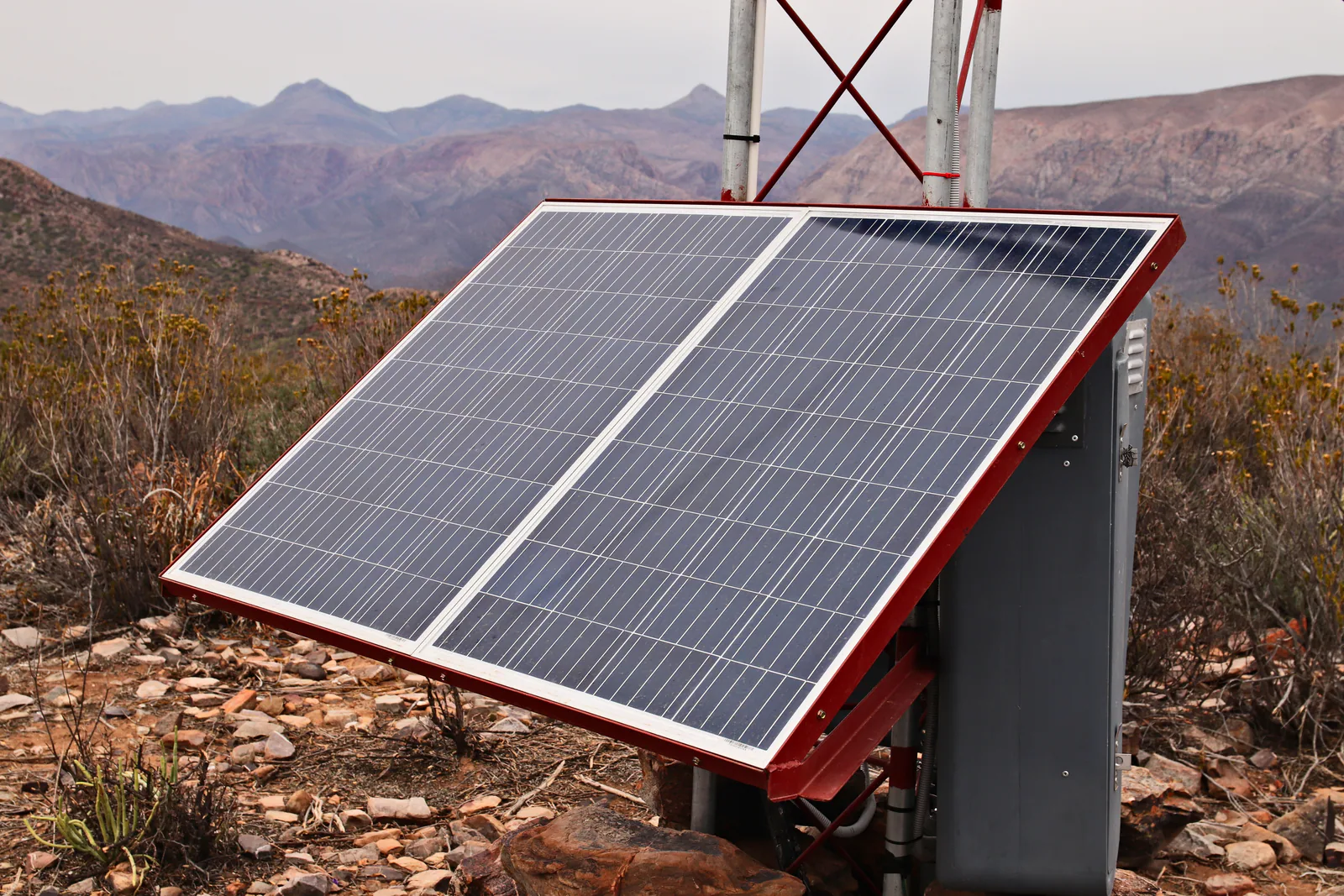
In recent years, Australians have embraced the idea of energy independence, and one of the most effective ways to achieve this is through the use of an off-grid solar inverter. An off-grid solar inverter is the backbone of independent solar systems, allowing homeowners to generate, store, and use their own power without relying on the electrical grid. As the demand for off-grid energy solutions grows, many people are seeking alternatives to traditional grid-tied systems. This article will explore the function of an off-grid solar inverter, how it works, and the benefits it provides for those looking to live off the grid. If you want to ensure reliable off-grid energy and energy independence, understanding the role of battery inverters and standalone inverters for solar is essential. Let’s dive deeper into how an off-grid solar inverter can power a self-sufficient future.
What Is an Off-Grid Solar Inverter?
An off-grid solar inverter is a crucial component of any off-grid solar system. It takes the direct current (DC) electricity produced by your solar panels and converts it into alternating current (AC) electricity that can be used to power your home or business. This process is essential because most household appliances and systems use AC power.
What sets an off-grid inverter apart from a grid-tied inverter is that it operates independently of the public electrical grid. Instead of drawing power from the grid when the sun isn’t shining, an off-grid inverter uses energy stored in battery inverters to ensure that your home or business has power at all times. This allows for complete energy independence—you’re no longer reliant on the utility company, which can be particularly beneficial for remote areas or locations prone to power outages.
For independent solar systems, the off-grid solar inverter is the heart of the operation, ensuring smooth, efficient energy conversion from your solar panels to usable power.
Components of an Off-Grid Solar Power System
To fully understand how an off-grid solar inverter functions, let’s explore the key components that make up a complete off-grid solar system:
- Solar Panels: These capture sunlight and convert it into DC electricity, which is essential for an off-grid energy system.
- Battery Inverters: They store excess solar energy for use when solar production is low, such as during the night or on cloudy days.
- Standalone Inverter for Solar: This device is responsible for converting DC electricity into usable AC power for household use.
- Charge Controllers: These regulate the voltage coming from the solar panels to the batteries, ensuring the batteries are charged correctly and not overcharged.
- Backup Generators (Optional): In areas with long periods of low sunlight or high energy demand, backup generators can be used as a fail-safe to provide power.
Each of these components works together to create a fully functional independent solar system capable of powering your home or business entirely without the need for external grid power.
Off-Grid vs. Hybrid vs. Grid-Tied: Which Inverter Do You Need?
Choosing the right inverter depends on your location, energy requirements, and lifestyle. Here’s a comparison to help you determine which type of inverter best suits your needs:
- Off-Grid Inverter: Ideal for those who want to be completely independent of the power grid. The off-grid solar inverter works with batteries to store energy and provides power even in remote locations. For more on solar panel installation, you can check out Esteem Energy’s options for different system sizes, such as the 6.6 kW solar system or the 5 kW solar system.
- Hybrid Inverter: This type of inverter allows you to connect to both the grid and your solar system. It offers the flexibility of using grid power when solar energy isn’t sufficient but can also store energy in batteries for later use.
- Grid-Tied Inverter: The simplest option, it connects to the grid and feeds excess energy back into it, usually earning you credits or payments from your utility provider. This system relies on grid power when solar production is insufficient.
Choosing the right system depends on factors like location, budget, and whether or not you want to completely detach from the grid. For remote areas or individuals who want to live sustainably, an off-grid solar inverter is the clear choice.
Choosing the Right Off-Grid Solar Inverter
When selecting an off-grid solar inverter, there are several important considerations to keep in mind to ensure it meets your energy needs. Here are some key factors to think about:
- Power Ratings & Surge Capacity: It's important to select an inverter with a power rating that matches your home’s energy consumption. Additionally, consider its surge capacity to handle power spikes, such as when appliances start up.
- Pure Sine Wave vs. Modified Sine Wave: Pure sine wave inverters offer the highest quality power, making them the best choice for sensitive electronics, such as computers and televisions. Modified sine wave inverters are more affordable but can cause damage to certain appliances over time.
- AC vs. DC Coupling: DC coupling is typically more efficient when storing energy in battery inverters, while AC coupling allows for easier integration with existing grid-tied systems.
- Software Compatibility & Remote Monitoring: Many modern off-grid solar inverters offer advanced software for energy monitoring and management. This feature can help you track power usage, performance, and storage, even when you’re not home. For instance, Esteem Energy’s solar panel battery are ideal for monitoring and maximizing energy use.
Popular Off-Grid Inverter Brands and Models (Australia 2026 Edition)
There are a variety of off-grid solar inverters available in the Australian market in 2026. Below are some top brands known for their high-quality products and strong performance:
- Victron Energy: A globally recognized brand, offering reliable and robust off-grid inverters that can handle a range of energy needs.
- Selectronic: Specializes in providing flexible and scalable off-grid solar inverters, ideal for larger or more complex energy systems.
- SMA: Known for efficiency and durability, SMA’s inverters are a great choice for both off-grid and hybrid solar setups.
- Growatt: A budget-friendly option without compromising on performance, offering inverters that provide excellent efficiency and storage options.
When choosing the right off-grid solar inverter, always consider your specific energy needs, system size, and desired features. For instance, check out options for larger systems like the 13 kW solar system and smaller options like the 3 kW solar system.
Installation and Maintenance Tips
For your off-grid solar inverter to perform optimally, proper installation and maintenance are key:
- Sizing the System Properly: Make sure your inverter and batteries are sized according to your energy needs. An oversized inverter can waste energy, while an undersized inverter may not handle your peak power requirements.
- Professional Installation: It’s important to have your off-grid solar system installed by SAA-accredited installers. This ensures the system is properly configured and complies with all safety standards.
- Regular System Maintenance: Regularly check your off-grid solar inverter for signs of wear and tear. Monitor battery health to ensure longevity and perform routine cleaning of solar panels to maintain optimal efficiency.
- Battery Care: Since battery inverters are vital for storing energy, it’s essential to monitor battery health. Keep track of the charging cycles and ensure they don’t discharge too much, as this could shorten their lifespan.
By following these guidelines, you can ensure that your independent solar system runs smoothly for years to come.
Real-World Use Case: How Australians Are Gaining Energy Independence
Consider a family in the Australian Outback who decided to install an off-grid solar inverter as part of their independent solar system. Living in a remote area with limited access to the grid, they rely on solar power for all their needs.
Their system includes battery inverters that store excess energy produced during the day, ensuring they have power at night and during overcast conditions. They also opted for a standalone inverter for solar to manage their energy efficiently.
The family now enjoys consistent, cost-effective off-grid energy, significantly reducing their dependence on fossil fuels. Furthermore, their off-grid solar inverter has provided them with not only greater energy independence but also a reduced carbon footprint and lower electricity costs.
Is Off-Grid Right for You?
To determine if an off-grid solar inverter system is suitable for your needs, ask yourself these questions:
- Do you live in a remote area or experience frequent blackouts?
- Are you committed to sustainability and reducing your environmental impact?
- Do you want complete independent solar systems and energy autonomy?
If you answered yes to any of these questions, an off-grid solar inverter may be the ideal solution. For those unsure, Esteem Energy’s “With Solar” calculator can help assess whether an off-grid solar system is the right investment.
Why Choose Esteem Energy for Your Off-Grid Solar Inverter System
When it comes to off-grid solar inverters, Esteem Energy is the trusted name in Australia for providing high-quality, efficient, and durable systems. Here’s why:
- We use only SAA-accredited installers, ensuring that your system is installed safely and according to Australian standards.
- We offer top-tier solar inverters and battery inverters to ensure your system runs at its best.
- Our systems come with a panel product warranty terms and a 10-year workmanship guarantee.
- We provide fast response times and competitive pricing to ensure you get the best value for your investment.
Ready to power your home with an off-grid solar inverter? Connect with Esteem Energy’s expert team today and get a free solar quote or system assessment.
Conclusion
An off-grid solar inverter offers a reliable and sustainable solution for those seeking energy independence. By utilizing solar power and battery inverters, you can reduce your reliance on the grid, lower your energy costs, and minimize your environmental footprint. If you're considering off-grid energy solutions, Esteem Energy is here to help you find the perfect system tailored to your needs. Whether you’re in a remote area or want to embrace sustainability, our expert team will guide you every step of the way.
Contact Esteem Energy today to get a free consultation and take the first step towards a self-sufficient, off-grid future!
Frequently Asked Questions
Q1. What is an off-grid solar inverter?An off-grid solar inverter is a device that converts the DC electricity produced by solar panels into AC power, which can be used by household appliances. It is essential for independent solar systems that do not rely on the grid.
Q2. Which inverter is best for off-grid systems?The best inverter for an off-grid solar system depends on your energy needs, the size of your system, and your budget. Victron Energy, Selectronic, and SMA are among the top brands known for their reliable off-grid inverters.
Q3. Can I go completely off-grid in Australia?Yes, it is possible to go completely off-grid in Australia, particularly in remote areas where grid access is limited. With the right off-grid solar inverter and battery inverters, you can power your entire home or business independently.
Q4. How long do off-grid solar inverters last?An off-grid solar inverter can last between 15 to 20 years, depending on maintenance and the quality of the system. Regular checks and proper care will extend its lifespan.
Q5. Do off-grid systems need batteries?Yes, batteries are essential for off-grid solar systems. Battery inverters store excess energy generated during the day for use at night or during periods of low sunlight.
Q6. Can I install an off-grid solar system myself?It’s not recommended to install an off-grid solar inverter yourself. Professional installation by a SAA-accredited installer ensures the system is set up correctly and safely.
Q7. Are off-grid solar systems more expensive?Upfront costs for off-grid solar systems are generally higher due to the need for batteries and inverters, but they can save you money over time by eliminating electricity bills and providing energy independence.
Q8. How much power can an off-grid solar system generate?The amount of power an off-grid solar system can generate depends on factors such as the size of your solar array, the capacity of your battery inverters, and the efficiency of your off-grid solar inverter.