Solar Panel Efficiency

what size battery do i need for a 6.6 kw solar system?

Maximising Solar Panel Efficiency: Your Complete Guide to High-Efficiency Solar Energy Conversion

If you’re investing in solar power, one of the most important performance indicators you should understand is solar panel efficiency. This term refers to how effectively a solar panel converts sunlight into usable electricity. Simply put, the higher the efficiency, the more power your system produces with less roof space and fewer panels.

With rising energy costs and growing concerns about sustainability, understanding solar panel efficiency can help you make smarter, more cost-effective choices. In this guide, we explain how solar panels work, what affects their performance, and how you can select high efficiency panels that will save you money over the long run. We’ll also look at the latest advances in solar energy conversion and help you understand how to boost the performance of your current or future solar setup.

What is Solar Panel Efficiency?

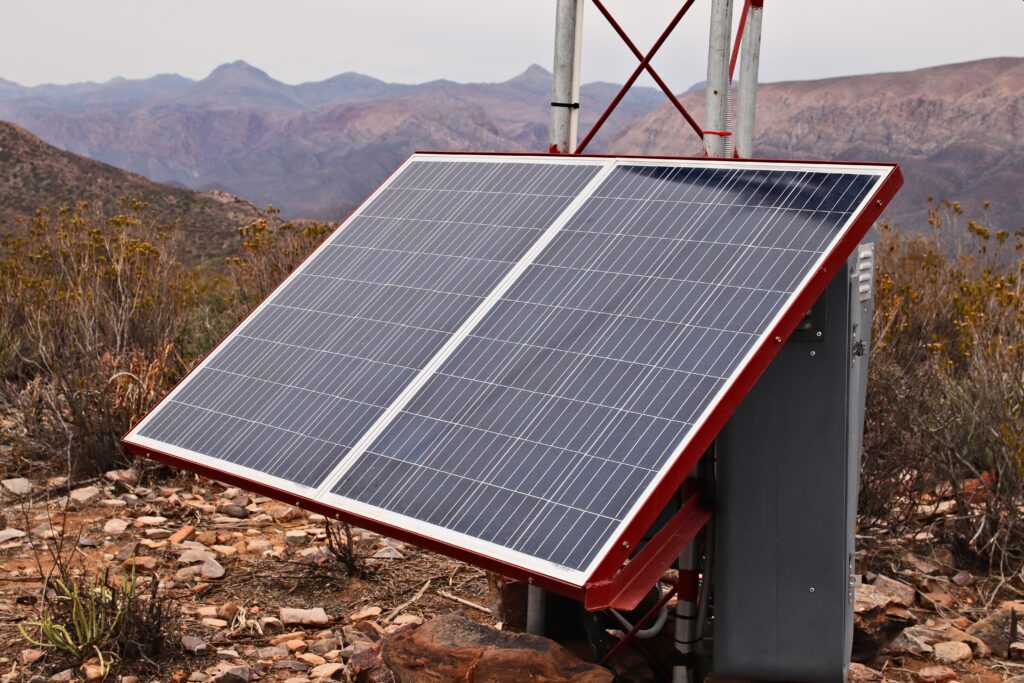
Solar panel efficiency refers to the percentage of sunlight that a solar panel can convert into usable electricity. For instance, if a panel has a 20% efficiency rating, that means it can turn 20% of the sunlight that hits it into electric energy. The rest is lost as heat or reflected away.

The process behind this is known as solar energy conversion. It involves solar cells inside the panel absorbing sunlight and generating direct current (DC) electricity, which is then converted into alternating current (AC) by an inverter for home or business use.

Efficiency is critical in maximizing energy output from limited roof space. Even if two panels have the same size, the one with higher efficiency will produce more electricity. Over time, this difference results in significant savings and a faster return on investment.

If you’re curious about the science behind this, check out our article on how solar panels work for a deeper explanation.

Why Solar Panel Efficiency Matters for Homeowners and Businesses

Understanding solar panel for home efficiency helps you maximize your energy production, reduce your electricity bills, and get the most value from your solar installation. Here’s why it’s so important:

  • Increased Output: High-efficiency panels generate more electricity, especially useful for homes with limited roof space like those installing a 6.6 kW solar system.


  • Better Return on Investment: Greater efficiency translates into faster energy savings and shorter payback periods.


  • Future-Proofing: As energy demands grow, investing in high efficiency panels ensures your system can keep up. Learn more about scaling with a 10 kW solar system.


  • Sustainable Choice: More efficient panels make better use of available sunlight, helping reduce your carbon footprint.


Whether you’re a homeowner trying to reduce bills or a business owner looking to optimize energy costs, choosing the right efficiency level is essential to long-term savings and performance.

Types of Solar Cells and Their Efficiency

Different types of solar cells offer varying degrees of performance. The efficiency of solar cells depends on the materials used and their manufacturing process. Below are the main types of solar cells you’ll encounter:

  • Monocrystalline Solar Cells: These are the most efficient and typically offer solar panel efficiency rates between 18% and 22%. They are made from a single crystal structure, allowing electrons to move more freely and generate more electricity.


  • Polycrystalline Solar Cells: These are slightly less efficient, with typical efficiency ratings between 15% and 17%. They are made from fragments of silicon melted together and are often more budget-friendly.


  • Thin-Film Solar Cells: With efficiencies usually ranging from 10% to 13%, thin-film panels are lightweight and flexible, but they generally produce less energy and require more space.


When choosing panels, it’s essential to consider not just the efficiency of solar cells but also your energy goals, space availability, and long-term financial plan.

Factors That Influence Solar Panel Efficiency

Many external and internal factors impact solar panel efficiency. Understanding these factors will help you choose the right equipment and optimise your setup:

  • Sunlight Exposure: Panels must receive direct sunlight for optimal output. Roofs that are shaded by trees or nearby buildings can significantly reduce efficiency.


  • Panel Orientation and Angle: The angle and direction at which your panels are installed affect how much sunlight they receive throughout the day.


  • Temperature: High temperatures can reduce solar panel efficiency, even though they’re getting more sunlight. Efficient thermal management is crucial.


  • Dust and Debris: Dirty panels block sunlight and reduce overall output. Regular cleaning and maintenance are essential to sustain performance.


  • Inverter Efficiency: Your inverter plays a key role in solar energy conversion. If it’s inefficient or undersized, it can bottleneck energy production.


  • Quality of Components: Premium high efficiency panels with strong build quality and warranties perform better and last longer than budget alternatives.


Addressing these factors can improve both the initial performance and long-term durability of your system.

How to Choose High Efficiency Panels

Choosing high efficiency panels is crucial for maximising your system’s potential. Here’s what to consider:

  • Efficiency Ratings: Look for panels with an efficiency of at least 18%. Leading brands like Trina Solar and Jinko Solar, available through Esteem Energy, regularly offer panels with 20%+ efficiency.


  • Wattage Output: Higher wattage means greater energy production. Match this to your household or business energy needs.


  • Durability and Warranty: Premium high efficiency panels come with 25+ year performance warranties and have been tested to endure harsh weather conditions.


  • Certifications: Panels installed by CEC-accredited professionals are verified for quality and safety, which adds reliability.


Although they come at a higher upfront cost, the long-term energy savings and increased output from solar panel efficiency make these systems a smart investment.

How to Optimise Solar Energy Conversion

Maximising solar energy conversion requires more than just choosing the right panels. You’ll need to pay attention to system design, inverter setup, and installation practices. Here’s how to improve performance:

  • Correct Inverter Sizing: Your inverter should be closely matched to your panel output. Oversized inverters can lead to wasted potential, while undersized ones can clip energy production.


  • Proper Panel Layout: Ensure your panels are placed in unshaded areas and face the optimal direction based on your geographic location.


  • Professional Installation: Always use CEC-accredited installers who can assess your roof, structure, and energy needs for the best results.


  • Routine Maintenance: Annual inspections and cleanings help maintain solar panel efficiency over time.


By focusing on these areas, you ensure that your system delivers consistent performance, allowing you to maximise savings and energy output.

The Future of Solar Panel Efficiency

Innovation in solar technology continues to push the boundaries of solar panel efficiency. Here’s what’s on the horizon:

  • Bifacial Panels: These panels absorb sunlight from both sides, increasing energy production, especially in high-reflective environments.


  • Tandem Solar Cells: By stacking different types of cells, these can capture more wavelengths of light, boosting efficiency beyond current limits.


  • Perovskite Technology: A promising material that could lead to ultra-efficient, low-cost solar cells in the future.


  • Smart Solar Systems: Integrated systems that use real-time data to adjust angles and improve overall output.


The future points to more accessible and affordable high efficiency panels, making solar even more appealing for homes and businesses.

Ready to Unlock High Solar Panel Efficiency?

If you’re looking to maximise energy production and savings while making an eco-conscious choice, Esteem Energy is here to help. We supply and install high efficiency panels, inverters, and batteries — all backed by CEC-accredited installers and trusted warranties.

Get Your Free Solar Quote Today with Esteem Energy – Save More, Live Greener!

Frequently Asked Questions​

 It’s the percentage of sunlight that a solar panel can convert into usable electricity. Higher efficiency means better performance and more energy savings.

 Monocrystalline panels are currently the most efficient, offering rates between 18% and 22%. Brands like Trina and Jinko lead in high efficiency panels.

 You can boost efficiency by installing panels in optimal locations, cleaning them regularly, using quality inverters, and ensuring professional installation.

 Factors include the material used (monocrystalline vs. polycrystalline), temperature, sunlight exposure, and overall panel design.

 Yes, all panels degrade slightly over time. However, premium panels degrade more slowly and come with longer warranties.

 Absolutely. Higher solar panel efficiency leads to greater electricity production, resulting in more savings on your energy bills.

 A rating between 18% and 22% is excellent for residential systems and will meet most household energy needs efficiently.

 Yes. Although they are more expensive upfront, high efficiency panels produce more power, last longer, and provide a faster ROI.

Fastest & Most Secure way to
get Clean & Safe Renewable
Energy -1300 748 841

Solar Panel Efficiency Read More »

Solar Panel Cost

what size battery do i need for a 6.6 kw solar system?

How Much Do Solar Panels Cost? A Complete Guide to Solar System Installation Costs in Australia

If you’re searching for a clear breakdown of solar panel cost in Australia, you’re in the right place. Most homeowners can expect to pay between $4,000 and $15,000, depending on the size and quality of the system. This article gives you a full understanding of how much you’ll actually spend, what impacts that cost, and how to maximise your investment.

With electricity prices continuing to rise, interest in solar energy is soaring across Australia. But before you commit, it’s important to understand exactly what goes into your solar system installation cost, from equipment and brand quality to government rebates and local factors. Whether you’re installing solar for the first time or upgrading an existing setup, this guide simplifies the numbers and helps you make an informed decision about your total solar panel cost.

What Is the Average Solar Panel Cost in Australia?

When Australians talk about solar panel cost, they usually mean the entire system, including the panels, inverter, mounting hardware, and professional installation — not just the panels themselves. In 2025, the average cost of a complete solar power system ranges significantly based on size and product quality.

Here’s what you can typically expect to pay:

The solar cost per kW generally decreases with larger systems. For example, a 6.6kW system might cost around $1,050 per kW, while a 3kW system might cost over $1,300 per kW. These numbers include government rebates and reflect a standard rooftop installation in metro areas.

It’s important to get quotes tailored to your property, but knowing the national averages gives you a strong foundation when evaluating your personal solar panel cost.

Key Factors That Influence Solar System Installation Cost

1. System Size (kW)

One of the most significant variables in your solar panel cost is the size of the system. The more kilowatts (kW) you install, the higher the upfront cost — but your solar cost per kW usually decreases. That means a larger system can offer better value per watt.

For instance:

  • A 6.6kW system suits most medium-sized households.

  • A 10kW system works well for families with high power usage or electric vehicles.

  • A 13.3kW system is ideal for those looking to maximise savings, add batteries, or support business usage.

Esteem Energy offers a range of system sizes tailored to your energy needs and budget.

2. Price of Solar Panels

The price of solar panels can vary significantly based on brand, quality, and technology. Budget brands might offer a lower initial investment, but premium panels typically offer better efficiency, warranties, and long-term performance.

Here’s a general comparison:

  • Budget brands (e.g., some models from Jinko or Canadian Solar): Cheaper, lower efficiency, 10–15 year warranties.

  • Mid-range brands (e.g., Trina, Risen): Balanced price and performance, up to 25-year warranties.

  • Premium brands (e.g., SunPower, REC): Higher efficiency, long warranties, best long-term value.

Choosing a reputable brand will influence your total solar system installation cost, but also affects your return on investment over time.

3. Type of Panels and Inverters

The type of technology you choose for your system can change your overall solar panel cost significantly.

Panel types:

  • Monocrystalline panels: High efficiency, sleek black look, higher cost.

  • Polycrystalline panels: Cheaper, slightly less efficient, blue tone.

  • Thin-film panels: Rare in residential setups, more flexible, but lower output.

Inverter types:

  • String inverters: Most common and cost-effective.

  • Microinverters: Installed on each panel, great for shade-prone roofs, slightly more expensive.

  • Hybrid inverters: Ready for battery integration, ideal for future-proofing.

Premium inverters like Fronius or SolarEdge can improve performance and reliability, especially when paired with high-end solar panels.

4. Installation Complexity

Every home is unique, and certain site conditions can increase your solar system installation cost.

These factors may increase labour or equipment costs:

  • Steep or double-storey roofs

  • Shaded rooftops that require special panel layout

  • Switchboard upgrades or rewiring

  • Tile or fragile roof materials

  • Rural or hard-to-access properties

An experienced installer like Esteem Energy will assess your roof design, energy usage, and structural conditions before quoting your final solar panel cost.

5. Location and Local Rebates

Your geographic location plays a huge role in both the price of solar panels and the final cost of installation.

Urban areas like Sydney, Melbourne, or Brisbane tend to have competitive installer pricing due to high demand and installer availability.

Regional and rural areas might see slightly higher prices due to added transport and limited local competition.

Your location also affects the number of Small-scale Technology Certificates (STCs) your system qualifies for — which leads us into the next section.

How the Solar Rebate Works

Australia’s solar rebate, also known as the STC program, directly reduces your upfront solar panel cost.

Here’s how it works:

  • STCs are awarded based on your location and system size.

  • The more efficient your system and sunnier your region, the more STCs you’ll receive.

  • Each STC has a market value — usually between $35 and $39 — and this value is deducted from your quote.

For example, a 6.6kW system in Sydney might generate around 90 STCs. At $36 per certificate, that’s a $3,240 discount applied immediately to reduce your solar system installation cost.

Esteem Energy includes this rebate in every quote, so you don’t need to claim it yourself.

Premium vs Budget: Is Paying More Worth It?

It can be tempting to go with the cheapest option, but when it comes to solar panel cost, lower prices often mean lower efficiency, shorter warranties, and reduced lifespan.

Here’s why premium systems offer better value:

  • Better efficiency: More power output from the same roof space

  • Longer warranties: Up to 25 years on panels and 10–12 years on inverters

  • Higher quality: Less likelihood of breakdowns or performance loss

  • Greater long-term savings: More reliable output = bigger reductions in energy bills

A budget system may cost less initially but might need costly repairs or upgrades sooner. Investing in quality upfront can reduce your total lifetime solar panel cost and increase your return on investment.

How to Calculate Your Expected Savings

Understanding how much money you’ll save with solar is just as important as knowing the solar panel cost.

Here’s how to estimate your savings:

  1. Determine your daily energy usage (in kWh) — found on your electricity bill.

  2. Match a system size that suits your needs (e.g., 6.6kW generates around 24–27kWh/day).

  3. Calculate how much energy you’ll offset — most homes save 50–80% on power bills.

  4. Account for feed-in tariffs, which pay you for excess power sent to the grid.

Typical savings range from $800 to $2,500 per year, depending on usage and system size.

The average payback period for a solar system is 3 to 5 years — after that, you’re generating free electricity.

What to Look for in a Trusted Solar Installer

A low solar panel cost is only a good deal if it’s installed properly. Choosing the right installer protects your investment and ensures long-term performance.

Here’s what to check:

  • CEC Accreditation: Only work with Clean Energy Council-approved installers

  • Experience: Established installers with proven project history

  • Warranties: At least 10 years on workmanship and 25 years on panels

  • Transparency: Clear quotes, honest recommendations, no pushy sales tactics

  • Support: Ongoing service, maintenance, and warranty assistance

Esteem Energy meets all these criteria, delivering high-quality installations with CEC-accredited technicians and premium equipment.

The Smart Way to Reduce Your Solar Costs

Understanding your full solar panel cost helps you make a confident and informed decision. From system size and rebates to the price of solar panels and quality of installation, many variables can impact your total investment.

To maximise your savings:

  • Choose a system size that matches your energy needs

  • Work with a trusted, CEC-accredited installer

  • Invest in high-quality panels and inverters

  • Take advantage of government rebates

Get a Custom Solar Solution with Esteem Energy

Ready to power your home with clean, affordable energy?
Esteem Energy provides:

  • Premium solar panels

  • CEC-accredited installers

  • Tailored system designs

  • Transparent pricing with rebates included

  • 25-year performance warranties

Get your free, no-obligation quote today and discover just how affordable your solar panel for home can be.

Request Your Free Solar Quote Now

Frequently Asked Questions​

 In Australia, solar panel cost typically ranges from $4,000 to $15,000 depending on the system size, brand, and installation conditions.

 The solar system installation cost includes equipment and labour. For most homes, it ranges from $5,000 to $13,000 after rebates.

 Yes, while prices have stabilised in recent years, solar panel cost has significantly decreased over the past decade thanks to technology improvements and government incentives.

 Generally, yes. Larger systems offer better solar cost per kW and long-term savings — especially for households with high energy use or future battery plans.

 Most quality panels last 25 to 30 years, and come with warranties up to 25 years.

 Yes, though at reduced efficiency. Your system will still generate power, just less than on sunny days.

 Brands like Trina, Risen, and Jinko are top-tier, reliable, and approved by the Clean Energy Council.

 Yes, many providers including Esteem Energy offer zero-deposit financing options, allowing you to go solar now and pay over time.

Fastest & Most Secure way to
get Clean & Safe Renewable
Energy -1300 748 841

Solar Panel Cost Read More »

6.6kW solar system price NSW

what size battery do i need for a 6.6 kw solar system?

6.6kW Solar System Price NSW: Complete 2025 Guide to Costs, Savings & Installation

Looking for the latest information on the 6.6kW solar system price NSW? You’re in the right place. If you’re a homeowner in New South Wales trying to reduce rising electricity bills, a 6.6kW solar system offers the perfect blend of affordability, performance, and long-term savings.

Solar energy adoption is booming across the state, and the 6.6kW solar system has emerged as the most popular size for medium to large households. It’s big enough to meet most daily energy needs and small enough to remain cost-effective. This article will guide you through everything — from the actual cost breakdown to the value of choosing the right installer and how to maximize your electricity savings.

By the end, you’ll have a complete understanding of the 6.6kW solar system price in NSW, and why Esteem Energy is a trusted provider for thousands of Aussie homes.

Why Choose a 6.6kW Solar System in NSW?

Homeowners in New South Wales are rapidly switching to solar, and the 6.6kW solar system continues to be the most installed size. It hits the sweet spot for households using an average of 20–30 kWh per day, comfortably covering daytime electricity needs.

Here’s why it’s a smart choice for NSW:

  • A 6.6kW system typically generates 24–27 kWh per day under ideal conditions

  • Perfectly matched with a 5kW inverter to comply with grid regulations

  • Compatible with battery storage if you plan to go off-grid later

  • Requires moderate roof space — about 25 to 30 square metres

  • Helps lower your dependence on grid electricity, increasing energy security

Given the increasing New South Wales solar price pressures and rising utility bills, this system offers an excellent balance of affordability and energy output. With high sunlight availability in NSW, you can maximize electricity savings year-round, making the 6.6kW solar system price NSW a truly worthwhile investment.

How Much Does a 6.6kW Solar System Cost in NSW?

So, what is the 6.6kW solar system price NSW in 2025? On average, you can expect to pay between $5,000 and $8,000 for a high-quality installation. Not sure if this is the right size? Compare it with our 10.5kW and 13.3kW solar systems to better match your usage.

Several factors influence the total installation cost:

  • Panel brands: Premium brands like Trina, Jinko, EGING, and Risen offer higher output and longer warranties, often at a slightly higher price.

  • Inverter choice: Hybrid or high-efficiency inverters increase reliability but also raise costs slightly.

  • Installation complexity: If your roof is steep, tiled, shaded, or difficult to access, labor costs may rise.

  • Location within NSW: Regional vs. metro installation may affect travel time, logistics, and final cost.

While the New South Wales solar price continues to drop gradually thanks to innovation and rebates, it’s important not to compromise quality for a slightly cheaper price. Choosing a reputable company like Esteem Energy ensures your 6.6kW solar system price NSW includes both performance and peace of mind.

What’s Included in a Typical 6.6kW Solar Package?

When investing in a 6.6kW solar system, it’s essential to know what comes with a standard solar package. Not all packages are created equal, and quality should never be sacrificed to shave a few hundred dollars off your installation cost.

Here’s what a typical premium solar package includes:

  • 15 to 18 high-efficiency solar panels (usually 440W to 450W capacity each)

  • A 5kW inverter, grid-compatible and smart-enabled

  • Optional battery integration for energy storage

  • Installation by CEC-accredited professionals

  • Monitoring tools via app or online portal

  • Product warranties (25 years for panels, 10+ years for inverters and installation)

  • On-site inspection and post-installation support

A top-tier solar package not only improves your system’s efficiency but also ensures long-term reliability. Reputable brands like Jinko, EGING, and Trina are known for their durability, which translates to better electricity savings over time. 

You can also explore battery-ready options by checking our solar panel battery packages.

Government Rebates and Incentives in NSW

Thanks to the Australian Government’s Small-scale Renewable Energy Scheme (SRES), eligible homeowners can receive upfront discounts that significantly lower the 6.6kW solar system price NSW.

These incentives come in the form of Small-scale Technology Certificates (STCs) and can reduce your installation cost by up to $3,000, depending on your zone and system size.

Here’s what you need to qualify:

  • The system must be installed by a CEC-accredited installer

  • All equipment must be approved by the Clean Energy Council

  • The property must be eligible under current scheme conditions

These rebates make a substantial difference in the New South Wales solar price, helping more homeowners switch to solar without breaking their budget.

How Much Can You Save with a 6.6kW System?

One of the most common questions is how much electricity savings you can expect. On average, households can save between $1,100 to $1,800 per year, depending on your daily usage habits, feed-in tariff, and local weather conditions. 

Here’s how a 6.6kW system adds value:

  • It can eliminate or dramatically reduce your power bills

  • Your investment can pay for itself within 3 to 5 years

  • Pairing it with a battery can increase energy independence

  • Higher-quality systems deliver more reliable output over time

Considering energy prices are steadily increasing in NSW, locking in these electricity savings now ensures long-term financial relief. The 6.6kW solar system price NSW may seem like a major investment upfront, but it delivers compounding savings every single year.

Want a more compact system? Compare with our 5kW solar system offering for smaller homes.

Choosing the Right Solar Installer in NSW

The installer you choose has a huge impact on your system’s performance, safety, and long-term savings. To get the best value for your 6.6kW solar system price NSW, ensure your installer checks all the right boxes.

Here’s what to look for:

  • CEC-accredited team: Only CEC-accredited installers can claim STC rebates

  • Strong product warranties: Look for 25-year performance warranties and at least 10 years workmanship guarantee

  • Transparent pricing: No hidden costs, clear breakdown of components, and warranty terms

  • Proven track record: Check reviews and previous projects in NSW

Avoid installers who offer extremely cheap prices with generic panels and little after-sales service. You deserve better value and long-term support.

Why Choose Esteem Energy for Your 6.6kW Solar Installation?

When comparing providers for your 6.6kW solar system price NSW, Esteem Energy stands out as a reliable, affordable, and experienced choice for solar in New South Wales.

Here’s why thousands trust Esteem Energy:

  • CEC-accredited team of expert installers

  • Premium panels from Jinko, Trina, EGING, and Risen

  • Honest pricing with no hidden charges

  • 25-year panel performance warranty

  • Local customer service team for ongoing support

  • Over 10,000 solar systems installed across NSW

With a focus on delivering performance and savings, Esteem Energy ensures you get the most out of your solar package without compromising on quality.

Call now on 1300 220 354 or Get a Free Quote to start your journey toward clean, affordable energy.

Frequently Asked Questions​

The average 6.6kW solar system price NSW ranges between $5,000 and $8,000, depending on the equipment used and complexity of installation.

Factors include panel brand, inverter type, roof type, system configuration, and your location in New South Wales.

Yes, for most medium to large households, a 6.6kW system can generate 24–27 kWh per day, which is more than sufficient.

You’ll need around 25 to 30 square metres of north-facing roof space for optimal performance.

 Most installations are completed in 1 to 2 days, depending on weather and site access.

Yes, homeowners can claim STCs which reduce upfront costs by up to $3,000 depending on eligibility.

 You can expect to save $1,100 to $1,800 per year based on energy usage and feed-in tariffs.

Esteem Energy offers premium panels, CEC-accredited installation, transparent pricing, and a proven record across NSW.

Fastest & Most Secure way to
get Clean & Safe Renewable
Energy -1300 748 841

6.6kW solar system price NSW Read More »

10kW vs 13kW solar system

what size battery do i need for a 6.6 kw solar system?

10kW vs 13kW Solar System: Which One is Right for Your Home in 2025?

Choosing the right solar setup is a big decision—and comparing a 10kW vs 13kW solar system is one of the most common challenges Australian homeowners face today. The size you choose can affect your home’s energy efficiency, long-term savings, and return on investment.

As electricity prices continue to rise and renewable energy becomes more accessible, more Australian families are investing in solar energy. Whether you’re installing a brand-new system or upgrading an existing one, deciding between a 10kW vs 13kW solar system will depend on factors like your energy usage, roof space, and financial goals.

This comprehensive guide will explore everything from power generation and energy output comparison to cost efficiency and future-proofing. By the end, you’ll have the clarity you need to make the best decision for your household.

Understanding System Size – What Do 10kW and 13kW Mean?

When comparing a 10kW vs 13kW solar system, it’s important to understand what these numbers represent. The “kW” refers to kilowatts, which is the maximum power output your solar system can produce under ideal conditions. It’s a measurement of capacity, not actual energy output.

A 10kW solar system typically includes:

  • Around 24 to 26 panels, depending on panel wattage (usually 390W to 420W)

  • An inverter rated between 8kW to 10kW

  • Requires approximately 50 to 60 square meters of roof space

A 13kW solar system generally includes:

  • Around 32 to 34 panels

  • An inverter size of 10kW to 13kW

  • Requires about 65 to 75 square meters of roof area

The 13kW system is a larger solar system, offering increased production potential. However, it also requires more space and may need a three-phase power connection. In contrast, a 10kW system is more suitable for homes with limited roof area or standard single-phase electricity infrastructure.

When choosing between a 10kW vs 13kW solar system, start by evaluating your home’s power needs, future energy goals, and available installation space.

Energy Output Comparison – How Much Power Do They Generate?

The most critical factor in comparing a 10kW vs 13kW solar system is how much electricity each can produce daily and annually. This is where the energy output comparison becomes essential.

In typical Australian conditions, the estimated daily power generation is as follows:

For a 10kW solar system:

  • Generates about 36 to 46 kilowatt-hours (kWh) per day, depending on your location and seasonal weather

  • Produces approximately 13,000 to 16,800 kWh annually

For a 13kW solar system:

  • Generates roughly 47 to 60 kWh per day

  • Produces around 17,000 to 22,000 kWh annually

This increased output means a 13kW system can generate 25% to 30% more energy compared to a 10kW system. This makes the 13kW system more suitable for homes with higher energy demands—like those with multiple air conditioning units, electric vehicle charging, or families working from home.

Additionally, in an energy output comparison, the 13kW system has a higher buffer against cloudy weather or winter months. It produces more even when sunlight is limited, making it a robust solution for year-round performance.

Cost Efficiency – Is the Extra Investment Worth It?

Cost is often the deciding factor when choosing between a 10kW vs 13kW solar system. While larger systems provide more energy, they also come with a higher upfront cost. But does that mean they’re less efficient financially? Not necessarily.

Cost comparison:

10kW Solar System

  • Upfront cost: Approximately $8,500 to $11,000 (including government rebates) (see more details about the 10.5kW solar system)

  • Average payback period: 3.5 to 5 years

  • Suits standard family usage (30–35 kWh/day)

13kW Solar System

  • Upfront cost: Roughly $11,000 to $14,000 (rebates included)

  • Payback period: 4 to 6 years

  • Best for high-usage homes (40–60 kWh/day or more)

When comparing the cost efficiency, the larger system often wins over time, particularly if you’re consuming or storing the energy you generate. Households with electric hot water systems, EVs, or home offices will benefit from the extended energy coverage.

Additionally, many Australians are now investing in larger solar systems to future-proof their homes against rising grid prices and reduced feed-in tariffs.

Installation Requirements and Roof Compatibility

Another key factor in the 10kW vs 13kW solar system decision is whether your home is suitable for installation.

What you need for a 10kW system:

  • Single-phase or three-phase electricity

  • At least 50 square meters of usable, shade-free roof space

  • North, northeast, or northwest-facing orientation preferred

What you need for a 13kW system:

  • Three-phase power is generally required for grid compliance

  • Around 65 to 75 square meters of unshaded roof space

  • Stronger roof structure to support additional panels

It’s also worth noting that most energy providers have export limitations. This means there may be a cap on how much electricity you can send back to the grid. A solar installer may suggest export-limiting devices, or battery storage, especially for a 13kW system, to avoid wasting excess power.

Before making your decision, have your installer assess your roof layout, shading, and switchboard to ensure compatibility with a larger solar system.

Who Should Choose Which System?

If you’re trying to decide between a 10kW vs 13kW solar system, the best choice will depend on your household’s energy habits and future plans.

A 10kW system is ideal if:

  • Your daily electricity usage is around 30 to 35 kWh

  • You live in a smaller to medium home with limited roof space

  • You’re connected to single-phase electricity

  • You want a solid balance of savings and affordability

A 13kW system is ideal if:

  • Your household uses 40 to 60+ kWh per day

  • You own or plan to buy an EV

  • You want to add battery storage soon

  • You’re aiming to maximise your self-sufficiency and energy independence

For many modern Australian homes, a 13kW solar system represents a forward-thinking investment, especially as power generation needs increase with electric appliances and transport.

Future-Proofing and Environmental Benefits

Looking beyond 2025, installing a 10kW vs 13kW solar system can have long-term benefits for both your energy security and the environment.

A larger solar system like 13kW can help:

  • Power future EVs or battery installations

  • Support home electrification trends (induction cooking, electric water heating)

  • Reduce your carbon footprint by offsetting more grid electricity

While both systems help lower emissions, a 13kW solar system can reduce CO₂ output by over 20 tonnes per year—about the same as planting hundreds of trees annually.

By installing solar now, you’re not just cutting bills—you’re contributing to a cleaner, more sustainable Australia. And with battery storage becoming more affordable, storing your excess energy will soon be the new norm.

Conclusion

In the end, choosing between a 10kW vs 13kW solar system comes down to understanding your current and future energy needs.

  • 10kW is a reliable, cost-effective option for most homes with moderate usage.

  • 13kW offers more flexibility, future-readiness, and long-term savings for high-usage or growing households.

Whichever system you choose, the key is working with a trusted installer who understands the technical, financial, and practical considerations.

Why Choose Esteem Energy?

At Esteem Energy, we don’t just sell solar—we deliver energy independence. Whether you’re considering a 10kW or 13kW solar system, our expert team offers personalised consultation, CEC-accredited installation, and premium panels with a 25-year warranty. We design every system to maximise savings and meet your long-term energy goals.

Call 1300 220 354 or Get Your Free Quote Now to take the next step toward solar confidence.

Frequently Asked Questions​

 It depends on your energy usage, roof space, and budget. A 10kW system suits moderate energy users, while a 13kW system is better for high-demand homes or those with future EV and battery plans.

Not at all. Many modern homes with pools, EVs, or multiple appliances benefit from the extra energy a 13kW system provides.

 A 10kW system needs around 50–60 sqm, while a 13kW system requires 65–75 sqm of unshaded, usable roof space.

Yes, if you use or store the energy. A 13kW system has better cost efficiency when you consume more of your own power.

Generally no. Most electricity networks require three-phase power for systems above 10kW due to export regulations.

 Yes, both are eligible for STCs and local state incentives which help reduce upfront costs.

Excess energy is either exported to the grid (for a feed-in tariff) or stored in a battery if you have one. Export limits may apply.

With quality components and professional installation, both 10kW and 13kW solar systems can last over 25 years.

Fastest & Most Secure way to
get Clean & Safe Renewable
Energy -1300 748 841

10kW vs 13kW solar system Read More »

10kW Solar Inverter

what size battery do i need for a 6.6 kw solar system?

Choosing the Best 10kW Solar Inverter for Your High-Capacity Solar Setup in Australia (2025 Guide)

If you’re planning to install a large solar system, choosing the right 10kW solar inverter is essential for optimal performance and return on investment. In fact, the inverter is the heart of your solar system—it ensures energy from your panels is safely and efficiently converted into usable power.

In Australia, where solar energy adoption is rapidly growing, a 10kW setup is one of the most popular sizes for households with high energy consumption and small businesses. A 10kW solar inverter provides the power capacity needed to match these demands, offering efficient energy conversion, smart monitoring features, and support for future upgrades like batteries. In this guide, we’ll help you understand how a 10kW solar inverter works, what inverter specs matter most, and why choosing a high-capacity inverter from a reliable provider like Esteem Energy can make all the difference.

What is a 10kW Solar Inverter?

A 10kW solar inverter is a device that converts direct current (DC) electricity produced by your solar panels into alternating current (AC), which is used by household appliances and fed into the electricity grid. In any 10kW setup, the inverter plays a crucial role in managing energy conversion and overall system performance.

It is designed to handle a large volume of solar-generated electricity, making it perfect for homes with high power consumption, electric vehicles, or businesses with consistent daytime energy needs. A 10kW solar inverter is often paired with 10kW solar system, comprising 24 to 30 solar panels, depending on the panel wattage.

The inverter also acts as a safety mechanism by detecting faults, shutting down during grid outages, and ensuring compliance with local regulations. This is a key component of modern solar power management, which not only focuses on energy production but also on optimizing output, load balancing, and energy monitoring.

Why Inverter Quality Matters in High-Capacity Setups

When investing in a high-capacity inverter, quality cannot be compromised. A low-quality or mismatched inverter can lead to energy losses, system inefficiencies, and higher long-term maintenance costs. In contrast, a premium 10kW solar inverter maximizes energy yield and integrates seamlessly with your overall solar power management system.

An efficient inverter will help regulate voltage, manage system output, reduce losses due to shading or poor orientation, and maintain stable operation across varying weather conditions. For a large 10kW setup, having a high-performing inverter is especially important to prevent energy clipping and optimize daily output.

Advanced 10kW solar inverters also come with features such as built-in surge protection, smart monitoring via apps, and grid compliance settings. These allow for real-time data tracking, fault alerts, and better control over your system’s performance. Choosing an inverter with a solid warranty, high efficiency, and future-ready features is a smart move for any solar investor.

Types of 10kW Solar Inverters

Before selecting a 10kW solar inverter, it’s important to understand the different types available. Each type suits different property types and energy needs.  For example, many homeowners starting with a 6.6 kW solar system eventually upgrade to higher capacities like 10kW for long-term energy savings.


String Inverters

  • Most common type for residential properties

  • Ideal for roofs with full sun exposure and minimal shading

  • Simple design and cost-effective

  • Performance can drop if one panel is shaded

Hybrid Inverters

  • Support both solar and battery systems

  • Ideal for homeowners planning to add storage later

  • Help manage daytime and nighttime consumption

  • Useful for future-proofing and smart energy systems

Three-Phase Inverters

  • Required for properties with three-phase power

  • Common in larger homes and commercial buildings

  • Allow for better energy load balancing

  • Can handle higher surge loads and electrical demand

For each inverter type, it’s crucial to assess inverter specs like voltage range, number of MPPTs (Maximum Power Point Trackers), and grid compatibility to ensure they’re suited for your 10kW setup.

Key Inverter Specs to Consider

When evaluating a 10kW solar inverter, there are certain specifications that directly impact performance, compatibility, and long-term durability.

Key specifications to look for:

  • Efficiency rating of at least 97% for minimal energy loss

  • CEC (Clean Energy Council) accreditation for rebate eligibility

  • Wi-Fi or mobile app monitoring for performance tracking

  • Multiple MPPTs to optimize output from various panel strings

  • 10-year warranty or longer to ensure long-term support

  • Hybrid capability or battery compatibility for storage options

  • Inbuilt safety features like arc fault detection and anti-islanding

These inverter specs should be carefully matched with your solar panel layout, household energy usage, and your utility provider’s grid requirements. A high-quality 10kW solar inverter with advanced solar power management features will ensure you get the most from your investment. These specs become even more valuable when combined with a system like a solar panel battery to store excess energy for later use.

Best 10kW Solar Inverter Brands in Australia (2025)

When choosing a 10kW solar inverter, it’s important to invest in brands known for reliability, efficiency, and long-term support in the Australian market. If you’re also evaluating system size, you may want to compare a 10kW setup with a 13.3 kW solar system to plan for future energy needs. Here are the top inverter brands that consistently perform well:

Fronius

  • Industry leader with Austrian engineering

  • High efficiency, durable build, excellent support

  • Widely used in residential and commercial systems

Sungrow

  • Strong performance-to-price ratio

  • Offers hybrid models and smart monitoring

  • Rapidly growing reputation in Australia

Huawei

  • Smart features, compact design, and future-ready tech

  • Integrated battery management and optimization

  • Excellent for tech-savvy users

SolarEdge

  • Offers panel-level optimization through power optimizers

  • Excellent for shaded roofs and detailed system control

  • Slightly higher upfront cost, but better system insight

Growatt

  • Affordable and beginner-friendly

  • Efficient and easy to install

  • Good warranty support for entry-level systems

All of these brands offer models with suitable inverter specs for a 10kW setup and are backed by strong local support and warranty services.

Sizing Your Inverter for a 10kW Setup

Sizing a 10kW solar inverter properly is key to maintaining performance and reducing long-term issues. Here are a few important considerations:

  • Always match the inverter capacity to your solar panel output. While a 10kW setup suggests a 10kW inverter, slightly undersized inverters (around 8.5–9.5kW) may be acceptable depending on your site conditions.

  • Oversizing the inverter is typically not advised unless future panel upgrades are planned and grid regulations allow.

  • Consider daily energy usage, panel orientation, shading, and your long-term energy goals.

  • Inverter oversizing and undersizing can affect eligibility for solar rebates or compliance with local distributor requirements.

A professional installer will help you size your 10kW solar inverter based on real load profiles and available roof space.

Common Mistakes When Choosing an Inverter

Making the wrong choice when buying a 10kW solar inverter can result in reduced performance, frustration, and added expenses. Here are some common mistakes to avoid:

  • Choosing a cheap, low-quality inverter with poor efficiency and limited warranty

  • Not ensuring compatibility with future battery storage

  • Ignoring smart monitoring or solar power management features

  • Skipping proper system design and going with an under- or oversized inverter

  • Failing to hire a CEC-accredited installer for proper installation and grid connection

  • Overlooking brand reputation and service response time

By avoiding these mistakes, you’ll ensure that your 10kW setup performs reliably and pays back quickly.

Installation, Support, and Long-Term Value

An excellent 10kW solar inverter is only as effective as the team that installs and supports it. Esteem Energy prioritizes professional, clean, and compliant solar installations with a focus on long-term value.

Benefits of expert installation include:

  • CEC-accredited technicians who ensure rebate eligibility and system safety

  • Precise inverter placement for ventilation and durability

  • Clean wiring and secure mounting for long system life

  • Long-term system monitoring and responsive customer support

  • Support for battery upgrades and solar power management tools

Choosing a provider like Esteem Energy ensures your high-capacity inverter is integrated seamlessly, maximizing system performance and future readiness.

Why Choose Esteem Energy for Your 10kW Solar Inverter

Esteem Energy is a trusted solar provider with years of experience delivering custom solar systems across Australia. Here’s why hundreds of customers choose us for their 10kW solar inverter needs:

  • 25-year solar panel performance warranty

  • 10-year workmanship warranty

  • CEC-certified installers for all solar and battery systems

  • Tailored designs for every 10kW setup, whether residential or business

  • Use of trusted inverter brands with full support

  • Transparent pricing, clear timelines, and ongoing aftercare

  • Battery-ready and hybrid solutions for long-term flexibility

Contact Esteem Energy today for a no-obligation system quote and find out how we can help you reduce your bills and future-proof your energy needs.

Call us at 1300 220 354 or email us at info@esteemenergy.com.au to speak with our solar specialists.

Conclusion

A reliable 10kW solar inverter is the key to unlocking the full potential of your solar system. Whether you’re installing a new 10kW setup or upgrading an older system, investing in a high-capacity inverter with the right inverter specs and smart solar power management features will ensure long-term performance and peace of mind.

Esteem Energy’s expert team is here to help you choose the right inverter, design a system that meets your needs, and provide professional installation you can trust. Reach out today and take the next step toward a cleaner, cheaper, and smarter energy future.

Frequently Asked Questions​

A 10kW solar inverter offers high energy conversion efficiency, support for large solar arrays, battery compatibility, advanced monitoring, safety features, and long-term durability. It’s ideal for large homes and small businesses with significant energy needs.

 Yes. A hybrid 10kW solar inverter allows you to integrate a battery system either now or in the future. It adds flexibility to your energy system and helps reduce reliance on the grid.

Absolutely. A 10kW setup with a high-quality 10kW solar inverter can power small businesses like offices, retail shops, or small manufacturing units effectively, especially during daylight hours.

 On average, a 10kW setup can produce between 35–45 kWh per day, depending on location, weather, and installation angle.

 Most quality 10kW solar inverters last between 10 to 15 years. With proper installation and maintenance, some may last even longer.

 In most cases, a 10kW inverter requires three-phase power. Some distributors allow single-phase with export limits, but local regulations must be checked.

Important inverter specs include efficiency rating, number of MPPTs, grid compliance, battery compatibility, warranty terms, and monitoring features.

Most homeowners see payback within 4 to 6 years. This depends on electricity usage, feed-in tariffs, system cost, and government incentives.

Fastest & Most Secure way to
get Clean & Safe Renewable
Energy -1300 748 841

10kW Solar Inverter Read More »

6.6kW vs 10kW solar system

what size battery do i need for a 6.6 kw solar system?

6.6kW vs 10kW Solar System: Which One is Right for Your Home?

Choosing between a 6.6kW vs 10kW solar system is one of the most important decisions for homeowners considering solar power. In just the first few lines, let’s clarify your main question: what’s the difference between a 6.6kW and 10kW solar system, and which one should you choose for maximum value?

As solar installations grow rapidly across Australia, more people are comparing these two system sizes. The 6.6kW vs 10kW solar system debate involves much more than just the number of panels—it affects your solar capacity, available rooftop space, future electricity bills, and overall ROI (return on investment). This guide will help you understand the technical and financial aspects of both systems, so you can invest in the right solution for your energy needs today and tomorrow.

Understanding Solar System Sizes

To properly compare a 6.6kW vs 10kW solar system, it helps to understand what “kW” means. In solar terms, kilowatts (kW) refer to the system’s total peak power output under ideal conditions. A 6.6kW system has 6.6 kilowatts of solar capacity, while a 10kW system generates 10 kilowatts at its peak.

In Australia, 6.6kW and 10kW systems are the most commonly installed for residential use. They offer a great balance of affordability, performance, and long-term value, especially when aligned with your home’s energy needs and rooftop space availability.

The system comparison between these sizes isn’t about which is better overall—it’s about which is better for you. The key differences lie in energy output, system cost, and potential savings.

What’s the Difference Between a 6.6kW and 10kW Solar System?

This is one of the most frequently asked questions by homeowners planning their solar journey: What’s the difference between a 6.6kW and 10kW solar system?

Here’s a clear breakdown of how the two compare:

  • Energy Output:

    • A 6.6kW solar system typically produces around 24 to 27 kWh per day.

    • A 10kW solar system produces approximately 38 to 44 kWh per day.

  • Number of Panels:

    • A 6.6kW system usually requires 16 to 18 panels.

    • A 10kW system requires around 24 to 27 panels.

  • Inverter Size:

    • A 6.6kW system is generally paired with a 5kW inverter.

    • A 10kW system needs an 8kW to 10kW inverter.

  • Rooftop Space:

    • A 6.6kW system takes up roughly 30–35 square meters.

    • A 10kW system needs about 45–50 square meters.

  • Best Suited For:

    • A 6.6kW system is ideal for small to medium households with 2–4 people and moderate energy needs.

    • A 10kW system suits larger households, high electricity usage, or homes looking to future-proof with electric vehicles or battery storage.

This system comparison reveals that while the 10kW system offers more energy, it also demands more space and a higher upfront cost.

Cost and Return on Investment

The 6.6kW vs 10kW solar system decision also hinges on your budget and financial goals. Let’s look at how they differ in cost and ROI:

  • 6.6kW Solar System Cost: $5,000 – $9,000 (depending on location, quality of panels, and installer)

  • 10kW Solar System Cost: $8,000 – $13,500

When it comes to ROI, the smaller system often has a shorter payback period, especially for homes with lower power consumption. A 6.6kW system may pay for itself in 3–5 years, while a 10kW system could take 5–7 years but offer more long-term savings.

Don’t forget government incentives like STCs (Small-scale Technology Certificates) and feed-in tariffs, which can reduce upfront costs and improve returns for both system sizes.

Roof Space & Installation Considerations

One of the practical differences between a 6.6kW vs 10kW solar system is the amount of roof area required. More panels mean more space:

  • A 6.6kW system requires about 30 to 35 square meters of rooftop space.

  • A 10kW system needs around 45 to 50 square meters, depending on panel efficiency.

Besides space, you should also consider:

  • Orientation and tilt of your roof

  • Shading from trees or nearby buildings

  • Structural integrity to support more weight

  • Compatibility with future battery storage or EV chargers

Whether you choose a 6.6kW or 10kW solar system, proper design and solar panel installation are crucial to maximise your investment.

Which Solar System is Best for You?

Here’s how to decide between a 6.6kW vs 10kW solar system based on your lifestyle:

  • Choose a 6.6kW system if:

    • You’re a small to medium household (2–4 people)

    • Your electricity use is moderate

    • You want a fast payback and lower upfront cost

    • Your roof has limited space

  • Choose a 10kW system if:

    • You have a large family or high energy use (appliances, pool, EVs)

    • You’re planning for future needs (like solar panel battery or electric vehicle)

    • You want to export more electricity to the grid

    • You have sufficient rooftop space

Understanding your energy needs, budget, and space limitations will help you choose the best system for your home.

Expert Tips for Choosing the Right System

Before committing to a 6.6kW vs 10kW solar system, keep these expert tips in mind:

  • Always get an energy audit or usage analysis to understand your current and future needs.

  • Speak with CEC-accredited solar installers for professional guidance.

  • Consider your location’s sunlight hours—areas with more sun can benefit more from larger systems.

  • Think ahead: battery storage and EVs are becoming more common, so future-proofing can be smart.

  • Check for government incentives that apply to your system size and region.

These steps ensure that your investment matches your solar capacity and energy goals.

Conclusion 

There’s no one-size-fits-all answer in the 6.6kW vs 10kW solar system debate. The right choice depends on your energy needs, available rooftop space, budget, and long-term goals. Both systems offer excellent benefits, but choosing the wrong size could reduce your ROI or limit future growth.

Make the best decision by assessing your current usage, understanding your future plans, and consulting with a trusted installer. Solar is a long-term investment—make sure it works as hard as you do.

Ready to Go Solar with Esteem Energy?

Looking for expert advice tailored to your home and budget? Esteem Energy is Australia’s trusted solar partner, offering:

  • CEC-accredited solar professionals

  • Premium panels from Trina, Jinko, Risen, and more

  • 25-year product warranties

  • Fast installation and price-match guarantees

Contact Esteem Energy today for a free quote and expert consultation

Frequently Asked Questions​

10kW system produces significantly more energy than a 6.6kW system, needs more panels, more rooftop space, and costs more, but can power larger homes or high-energy households with better long-term ROI.

Yes, for most small to medium-sized households, a 6.6kW system can meet the majority of electricity needs, especially if energy is used efficiently.

Not necessarily. If you have a large household, high power demand, or plan to add batteries or an EV, a 10kW system can be ideal.

Yes, both 6.6kW and 10kW systems are eligible for STCs and feed-in tariffs, which reduce initial costs and improve ROI.

Typically, 3–5 years for a 6.6kW system, and 5–7 years for a 10kW system depending on usage and feed-in tariff rates.

No, a 10kW system needs an inverter closer to its capacity (8kW–10kW) to perform effectively and comply with Australian standards.

Battery storage is optional. It improves self-consumption and reduces grid reliance, but adds to upfront costs.

Have a solar expert inspect your home. A 6.6kW system needs about 30–35m², while a 10kW system may need up to 50m² of usable space.

Fastest & Most Secure way to
get Clean & Safe Renewable
Energy -1300 748 841

6.6kW vs 10kW solar system Read More »

How do you connect a solar panel to a battery

what size battery do i need for a 6.6 kw solar system?

How Do You Connect a Solar Panel to a Battery? Step-by-Step for Off-Grid Systems and Solar Storage

How do you connect a solar panel to a battery? This is one of the most common questions Australian homeowners ask when exploring energy independence. If you’re thinking about installing a solar system that stores energy—whether for emergencies, off-grid living, or backup power—you’re in the right place.

This detailed guide explains how do you connect a solar panel to a battery safely and efficiently. With solar technology booming across Australia, understanding how to build your own solar storage setup puts power in your hands—literally. From camping vans to rural properties, solar plus battery storage offers flexibility, savings, and peace of mind. Let’s explore every step, tip, and precaution you need to make it happen.

Why Connect a Solar Panel to a Battery?

Before diving into how do you connect a solar panel to a battery, it’s important to understand why you’d want to in the first place.

In a grid-tied solar setup, excess electricity goes back into the grid, and your home draws from it when solar production drops. But when you add a battery, you unlock solar storage. This means your excess energy is stored locally and available whenever you need it—like during blackouts or after sunset.

Top reasons to connect a solar panel to a battery:

  • You want energy independence from rising utility costs.

  • You’re setting up an off-grid system in a rural or remote location.

  • You need backup power for outages and emergencies.

  • You want to reduce your carbon footprint long-term.

Whether you’re powering a cabin, campervan, or a residential solar panel system, knowing how do you connect a solar panel to a battery gives you more control over your energy use.

Components You’ll Need Before You Start

To properly understand how do you connect a solar panel to a battery, you need to have the correct components. Using low-quality or mismatched equipment can damage your system or reduce efficiency.

Here’s a basic checklist of what you’ll need:

  • Solar Panels: These generate DC power from sunlight. Choose monocrystalline or polycrystalline panels.

  • Charge Controller: This regulates voltage and current from the solar panels to prevent battery overcharging.

  • Battery (Deep-Cycle): Solar panel battery options like AGM or LiFePO4 are ideal for solar storage. Avoid using car batteries.

  • Inverter: Converts DC power into AC for home appliances. This step is known as the inverter connection.

  • Wiring and Connectors: Proper gauge wires, fuses, MC4 connectors, and ring terminals for safe wiring solar to battery.

When you learn how do you connect a solar panel to a battery, understanding the purpose of each component helps you avoid mistakes and plan a reliable setup.

Step-by-Step: How Do You Connect a Solar Panel to a Battery?

Now let’s break down the actual process. If you’re asking, how do you connect a solar panel to a battery, this section gives you everything you need to do it confidently and safely.

Step 1: Mount Your Solar Panels

  • Choose a location with maximum sunlight exposure—preferably north-facing in Australia.

  • Use a sturdy solar panel installation system that withstands wind and rain.

  • Clean the panel surface and check for shadows or obstruction.

Proper placement is the foundation of energy generation. It impacts everything downstream, including how well your solar storage performs.

Step 2: Connect the Battery to the Charge Controller

  • Always connect the battery to the controller before the solar panel.

  • Double-check polarity: red is positive, black is negative.

  • Use inline fuses close to the battery for protection.

If you’re asking, how do you connect a solar panel to a battery without damaging it, this is the most critical safety step. Reversing polarity can fry your components instantly.

Step 3: Test the Charge Controller

  • Power on the controller to check its LED or LCD display.

  • Ensure the battery voltage is showing correctly.

  • If it’s an MPPT controller, verify the max power tracking is working.

This confirms the system is properly recognising the battery before adding the solar input.

Step 4: Connect the Solar Panel to the Charge Controller

  • Use MC4 connectors to link the solar panel cables to the controller.

  • Connect the solar panel only after the battery is fully secured.

  • Check polarity and ensure firm, tight connections.

Direct wiring solar to battery is a common beginner mistake. A charge controller is always required to avoid overvoltage or overheating.

Step 5: Add the Inverter (Optional, But Recommended)

  • Connect the inverter directly to the battery terminals.

  • Make sure the inverter’s wattage supports your home appliances, especially in larger systems like a 10 kW solar system.

  • Use thick gauge cable and ring terminals for a solid inverter connection.

By this point, you’ve mastered how do you connect a solar panel to a battery—and now you’re ready to use your stored power for real-world applications.

Key Safety Considerations

When learning how do you connect a solar panel to a battery, safety cannot be overstated. The system deals with live electricity, and even 12V systems can spark fires if not handled correctly.

Key safety tips:

  • Always disconnect the solar panel before wiring or adjusting the system.

  • Use insulated gloves, safety glasses, and insulated tools.

  • Install weatherproof boxes for outdoor connections.

  • Never mix different battery types or voltage levels.

  • Check for corrosion or loose wires regularly.

If you’re unsure at any step, consult a CEC-accredited solar installer for assistance.

How to Maximise Solar Storage Efficiency

Understanding how do you connect a solar panel to a battery is only the beginning. Long-term efficiency comes from ongoing maintenance and smart system design.

Tips to get the most from your solar storage system:

  • Clean your panels monthly to remove dust and grime.

  • Avoid discharging batteries below 50% (unless using LiFePO4).

  • Monitor system performance through a solar app or smart meter.

  • Keep batteries in a cool, dry location to extend lifespan.

These practices make your off-grid system more reliable and cost-effective over time.

Off-Grid System Design Tips

If you’re planning a completely independent system, it’s not just about how do you connect a solar panel to a battery, but also how to size and manage your entire setup.

Design tips for off-grid solar systems:

  • Estimate your daily energy use in watt-hours.

  • Size your battery bank to cover 1.5 to 2 days of autonomy.

  • Choose an inverter that can handle your largest appliance load with margin.

  • Consider adding a backup generator for cloudy days or high demand.

A well-designed off-grid system saves money and avoids frustrating power interruptions.

Common Mistakes to Avoid

Learning how do you connect a solar panel to a battery means knowing what not to do. These mistakes are common, but easily avoidable with the right information.

Avoid these pitfalls:

  • Skipping the charge controller—this can permanently damage your battery.

  • Connecting mismatched voltage systems (e.g., 24V panel with 12V battery).

  • Using cheap wiring or incorrect wire gauge, which can overheat.

  • Ignoring battery specifications or charging limits.

Stay informed and take the time to double-check each step for a safe and long-lasting setup.

Call-to-Action (Esteem Energy)

Are you ready to take the next step toward energy independence? At Esteem Energy, we specialise in complete off-grid system setups, high-quality batteries, solar panels, and inverter connection installations.

Our CEC-accredited professionals are here to help you design the ideal system for your home, shed, or rural property.

Call 1300 220 354 or visit Esteem Energy today for a free quote and expert advice.

Conclusion

So, how do you connect a solar panel to a battery? With the right components, some careful planning, and attention to safety, it’s easier than you think. Whether you’re going off-grid, adding backup power, or simply learning how solar energy works, connecting a solar panel to a battery is the foundation of any solar storage solution.

By following the steps above, you’ll have a reliable, efficient, and safe solar power system ready to serve you—anywhere, anytime.

Frequently Asked Questions​

Use a charge controller to regulate current, ensure correct polarity, install inline fuses, and always connect the battery before the solar panel.

Never connect a panel directly. Use a charge controller and follow the manufacturer’s guidelines.

No, you should use deep-cycle batteries like AGM or LiFePO4 for longer life and proper discharge cycles.

This depends on the panel wattage, battery capacity, and daily usage. Typically, one 100W panel can charge a 100Ah battery in about 10–12 hours of sunlight.

No, but you need an inverter if you want to run AC appliances from the battery’s DC power.

Yes, if they are connected in a bank and your charge controller supports the total battery capacity.

 Yes, with a charge controller, the system will stop charging when the battery is full.

You risk overcharging, overheating, or even battery explosion—always use a charge controller.

Fastest & Most Secure way to
get Clean & Safe Renewable
Energy -1300 748 841

How do you connect a solar panel to a battery Read More »

5kW Solar Inverter Price Australia

what size battery do i need for a 6.6 kw solar system?

5kW Solar Inverter Price in Australia: Complete Guide to Cost, Brands and Performance

If you’re researching the 5kW solar inverter price in Australia, you’re already ahead in your solar journey. Understanding how much a 5kW inverter costs, what influences that cost, and how to choose the right one can save you thousands and help maximise your energy output.

As one of the most commonly used inverter sizes for Australian homes, the 5kW inverter offers an ideal mix of affordability, performance, and compatibility with medium-sized solar systems. But due to the wide range of solar inverter brands, features, and warranty options, the inverter pricing can vary widely—making it critical to understand where the value lies.

This article breaks down everything you need to know about the 5kW solar system inverter price in Australia, including what affects the cost, the best brands, installation insights, and how to get the most return on your investment.

What is a 5kW Solar Inverter?

A 5kW solar inverter is a key component of any grid-connected solar system. It converts the direct current (DC) produced by solar panels into alternating current (AC) that powers your home appliances.

In Australia, the 5kW inverter is a perfect choice for typical households because it supports solar panel arrays ranging from 5kW to 6.6kW. This makes it ideal for households looking to reduce energy bills while keeping upfront costs reasonable.

You’ll often find 5kW inverters used in:

  • Freestanding homes with three to five residents

  • Small to medium-sized businesses

  • Households planning to add battery storage in the future

  • Properties looking to take advantage of feed-in tariffs and government rebates

The 5kW solar inverter price in Australia is influenced by the inverter’s performance, durability, and technology features, which we’ll explore in detail below.

5kW Solar Inverter Price in Australia: What to Expect

So, what is the 5kW solar inverter price in Australia today? On average, the cost ranges between $1,500 and $6,000. This wide range depends on several key factors that homeowners need to consider carefully.

Factors that influence inverter pricing include:

  • Brand and origin: European-made inverters tend to cost more than Chinese-made models due to build quality and certifications.

  • Warranty duration: Inverters with longer warranties (10+ years) often carry a premium.

  • Advanced features: Wi-Fi monitoring, battery compatibility, and smart energy management systems increase the price.

  • Installation complexity: Roof pitch, accessibility, and electrical setup can all affect the total installed cost.

  • Inclusion of smart meters: Some brands require or recommend additional smart monitoring hardware.

Even if a cheaper inverter saves you money upfront, it may result in lower 5kW system efficiency and shorter lifespan, ultimately increasing your total inverter cost over time.

For example:

  • Entry-level models (budget inverters): $1,500–$2,000, usually basic in design, shorter warranty, limited smart features.

  • Mid-tier inverters: $2,000–$3,500, typically offer Wi-Fi, app-based monitoring, and moderate warranties.

  • Premium inverters: $3,500–$6,000, offer top-tier efficiency, longer warranties, and better support.

Choosing the right balance between inverter pricing and long-term performance is key to a successful solar investment.

Best Solar Inverter Brands Available in Australia

Australia has access to many reputable solar inverter brands, each with unique benefits. Understanding the brand differences helps you choose an inverter that matches your budget, energy goals, and technology preferences.

Here are some of the most trusted solar inverter brands in the market:

  • Fronius: Premium Austrian-made inverter known for reliability, high efficiency, and excellent technical support.

  • Sungrow: China-based brand offering great performance at affordable prices. Popular among residential users.

  • Huawei: High-tech Chinese brand with smart features, battery-readiness, and superior design.

  • Solis: Known for affordability and simplicity. A solid choice for entry-level residential installations.

  • Growatt: Offers compact inverters with good basic features, ideal for budget-conscious homeowners.

Esteem Energy supplies top-quality 5kW inverters, focusing on Wi-Fi-enabled models from proven brands to ensure a balance of cost, efficiency, and future upgrade potential. When assessing the 5kW solar inverter price in Australia, it’s worth considering long-term brand reputation and support.

Why Inverter Efficiency Matters in a 5kW System

5kW system efficiency refers to how well your inverter converts the DC energy from your solar panels into usable AC power. This efficiency rating significantly impacts your energy savings over time.

Key points to understand:

  • A low-efficiency inverter might only convert 95% of solar energy into usable electricity, while premium inverters convert up to 98% or more.

  • Higher efficiency = more energy harvested and lower power bills

  • Efficiency losses add up over time, meaning cheaper inverters can cost more in the long run

Choosing a premium inverter may increase your inverter cost initially, but it often reduces your total system cost per kWh over its lifetime. And since most Australian homes export excess energy to the grid, even a 1–2% efficiency gain can translate into hundreds of dollars saved annually.

Don’t be misled by the myth that all inverters perform the same. The 5kW solar inverter price in Australia reflects differences in performance and real-world results.

6.6kW Solar Panels + 5kW Inverter: Why It’s the Sweet Spot

A popular solar setup in Australia involves installing 6.6kW of solar panels with a 5kW inverter. Here’s why this pairing makes financial and practical sense:

  • STC rebates are maximised by installing panels up to 33% larger than the inverter.

  • Grid regulations in most states cap inverter exports at 5kW, so pairing a larger panel array with a 5kW inverter ensures maximum energy production without waste.

  • Ideal for households expecting future battery storage or EV charging needs

This setup increases overall daily energy production while keeping the 5kW solar inverter price in Australia within a manageable range.

What is the ROI on a 5kW Solar Inverter System?

The return on investment (ROI) from a 5kW solar inverter depends on your location, energy usage, feed-in tariffs, and electricity rates. But across most Australian states, homeowners see a payback within 3 to 5 years.

Factors that impact ROI:

  • Daily sunlight hours (e.g., more sun in QLD = faster payback)

  • Electricity rates and bill offset

  • Quality of inverter and panel components

  • Ongoing maintenance and system efficiency

While upfront inverter cost is important, don’t overlook performance. A more efficient inverter can increase your solar output, reduce payback time, and improve long-term savings.  For more information on system pricing, check our article on solar power systems prices.

Installation Tips: What to Know Before You Buy

Installation plays a critical role in how well your inverter performs. Even a high-end inverter won’t deliver if it’s poorly installed.

Important considerations:

  • Always use a CEC-accredited solar installer

  • Confirm your inverter is approved for use in Australia

  • Ask about warranty coverage, both for parts and installation

  • Check for Wi-Fi connectivity, mobile app access, and battery compatibility

Esteem Energy handles every project with certified installers, ensuring that your 5kW solar inverter operates at maximum efficiency right from day one. Our clients benefit from transparent inverter pricing and fast, professional installations.

If you’re considering battery integration later, review our guide on solar panel battery solutions to future-proof your investment.

Why Homeowners Trust Esteem Energy for Solar Installations

Esteem Energy is one of Australia’s fastest-growing solar companies, known for customer-first service and superior technology.

Why choose Esteem Energy?

  • CEC-accredited solar professionals with years of experience

  • Transparent, upfront 5kW solar inverter price in Australia—no hidden costs

  • Installation within 7 business days of sign-off

  • Only Tier 1 solar panels and Wi-Fi-enabled inverters used

  • 10-year workmanship warranty and 25-year performance warranties

  • Free energy consultations and an online solar savings calculator

Whether you’re installing a brand-new solar system or replacing an outdated inverter, Esteem Energy offers value, performance, and reliability at every step.

Conclusion

Understanding the 5kW solar inverter price in Australia is key to making a smart solar investment. From choosing the right brand to ensuring efficient installation, every decision affects your long-term energy savings.

Avoid cheap, unreliable options. Instead, choose proven solar inverter brands, prioritise 5kW system efficiency, and partner with professionals like Esteem Energy for a system that delivers real results for years to come.

Frequently Asked Questions​

The average 5kW solar inverter price in Australia ranges from $1,500 to $6,000, depending on brand, features, and warranty.

Trusted solar inverter brands in Australia include Fronius, Sungrow, Huawei, Solis, and Growatt.

Yes, a 5kW inverter suits most 3–5 person households and works best with a 6.6kW panel array.

The biggest factors include brand reputation, warranty length, smart features, and installation complexity.

It refers to how effectively the inverter converts solar energy into usable electricity. Higher efficiency leads to more savings.

 Yes, many modern 5kW inverters are battery-ready, allowing seamless future upgrades.

A quality inverter typically lasts 10 to 15 years, with premium models lasting longer and offering better support.

Not always. While low-cost models reduce upfront inverter cost, they often result in lower efficiency, shorter lifespan, and reduced savings.

Fastest & Most Secure way to
get Clean & Safe Renewable
Energy -1300 748 841

5kW Solar Inverter Price Australia Read More »

Solar Panel Replacement

what size battery do i need for a 6.6 kw solar system?

When and Why You Should Consider Solar Panel Replacement for Your Home

Solar panel replacement is becoming increasingly important for Australian homeowners who installed solar over a decade ago. As your system ages, performance drops and energy savings decrease—often without you realising. If you’re noticing higher power bills or reduced solar output, it might be time to upgrade.

While solar power has revolutionised how homes manage electricity, old solar systems don’t last forever. Even the most reliable setups suffer from panel degradation, aging inverters, and lower efficiency. Recognising when to consider a solar panel replacement is key to protecting your investment and boosting your home’s energy performance. In this guide, we’ll break down solar lifespan, early warning signs, replacement cost, upgrade benefits, and how to prepare for a smooth transition to a smarter system.

You can also explore our range of system sizes—from 2kW to 20kW solar systems—designed to meet a variety of household energy needs.

Understanding Solar Lifespan and Panel Degradation

Every solar system has a life cycle. A standard solar lifespan for high-quality panels is typically between 25 to 30 years. However, that doesn’t mean they’ll perform optimally for three decades. Most panels experience panel degradation—a gradual decline in output due to environmental exposure, aging materials, and evolving technology.

Panel degradation averages about 0.5% to 1% annually. Over time, this means your 5kW system might be producing only 4kW or less—even under ideal conditions. This slow loss of efficiency often goes unnoticed until you’re hit with higher energy bills or your system fails to meet your daily energy needs.

Key signs your panels may be degrading:

  • Noticeably lower electricity output compared to previous years

  • Increase in grid electricity usage despite stable energy habits

  • Discolouration, surface damage, or cell corrosion

  • Technology that’s over a decade old and lacking smart features

By replacing older equipment with modern, efficient alternatives, solar panel replacement becomes not just maintenance—but a strategic upgrade. Today’s panels offer higher efficiency ratings, sometimes exceeding 22%, along with improved durability and longer product warranties.

Signs It’s Time to Replace Your Old Solar System

Knowing when your old solar system is no longer serving your needs is key to taking proactive steps. Many Australian homeowners installed solar between 2010 and 2015, and those systems may now be showing signs of decline.

Look for these indicators that suggest you need a solar panel replacement:

  • Physical wear on panels, including corrosion, cracks, or discolouration

  • Inverter issues like frequent faults, warning lights, or loud noises

  • Reduced solar performance, especially during peak sunlight hours

  • Increased electricity bills despite consistent energy habits

  • Loss of eligibility for older feed-in tariff programs, like Victoria’s Premium Feed-in Tariff

  • Difficulty finding replacement parts or compatible upgrades

  • Limited or expired product warranty on panels or inverters

An old solar system can silently cost you hundreds annually in lost savings. By considering a full solar panel replacement, you’ll improve system output, reduce long-term repair expenses, and gain access to energy storage and other smart tech integrations.

Solar Panel Replacement Cost Breakdown

Understanding the replacement cost of your solar system is essential for budgeting and comparing your options. While prices have dropped over the past decade, total costs vary based on system size, component quality, and installer experience.

Here’s a general overview of solar panel replacement pricing in Australia:

  • Replacement of individual panels: typically ranges from $150 to $300 per panel

  • Full system replacement (5kW–6.6kW): between $4,500 to $8,000 including inverter

  • Inverter replacement alone: around $1,000 to $2,000

  • Additional costs: removal of old panels, roof repairs, monitoring system upgrades

It’s also important to consider what you gain through replacement:

  • Greater efficiency = higher energy savings

  • New warranties up to 25 or 30 years

  • Improved appearance and home value

  • Eligibility for government rebates such as STCs (Small-scale Technology Certificates)

While upfront replacement cost may seem high, newer systems typically pay for themselves in 4 to 6 years through reduced bills and feed-in tariff earnings. In many cases, solar panel replacement turns out to be cheaper than continuous repairs and part replacements on an outdated system.

Is It Worth Upgrading? Benefits of New Solar Systems

The benefits of a solar panel replacement go far beyond solving faults. New systems are designed with advanced technology that offers both practical and environmental advantages.

What you gain with a system upgrade:

  • Battery storage readiness for adding a solar battery now or in future

  • Smarter inverters with real-time monitoring and mobile apps

  • Better durability with resistance to hail, wind, heat and UV

  • More compact panels with sleek, modern designs that complement your roof

  • Higher energy yield from the same or smaller roof space

  • Reduced carbon footprint by recycling old solar systems responsibly

If your lifestyle or home setup has changed—perhaps you now work from home or plan to buy an EV—it makes sense to upgrade your system to support increased demand. Modern systems are more adaptive and efficient, offering stronger returns and sustainable power for years ahead.

Preparing for a Seamless Solar Panel Replacement

Planning a solar panel replacement takes more than just swapping out panels. A smart approach ensures minimal disruption and maximum results.

Here’s what to consider before getting started:

  • Inspect your roof: Make sure the roof is structurally sound and doesn’t require major work. Aligning panel replacement with roof maintenance can save costs.

  • Check your current system size: Do your current energy needs match what you originally installed? If your energy use has increased, upgrading to a larger or smarter system may be ideal.

  • Choose the right installer: Always go with a CEC-accredited provider to ensure your replacement qualifies for rebates and meets Australian standards.

  • Plan for the future: Think about battery integration, electric vehicles, and smart appliances. A good system should meet not only today’s needs but tomorrow’s as well.

With careful preparation, your solar panel replacement can be completed quickly—usually within a day or two—with little to no downtime for your home’s energy.

Comparing Old vs. New – A Real-World Scenario

Here’s an example that shows the clear difference between a dated system and a newly installed one.

John from Newcastle installed his original solar system in 2012. It was a 4kW system, and while it served him well for years, his electricity bills started creeping up in 2022. After consulting with an accredited installer, John opted for a 10kW solar system upgrade.

Before Replacement:

  • Daily solar output: 12–14 kWh

  • Yearly savings: ~$800

  • Inverter errors common

  • Panels showed visible wear

After Replacement:

  • Daily output: 26–28 kWh

  • Yearly savings: ~$1,700

  • Inverter includes mobile monitoring

  • System battery-ready

Thanks to increased efficiency and a smart inverter, John’s new system will pay for itself in under 5 years, offering long-term savings and better energy independence.

Ready to Upgrade? Choose Esteem Energy

If your system is over 10 years old or not performing as expected, now is the right time for a solar panel replacement. At Esteem Energy, we help Australian homeowners upgrade with confidence.

We offer:

  • CEC-accredited installers

  • A 25-year product warranty

  • Premium solar panels from Jinko, Trina, and HT

  • End-to-end planning, installation, and aftercare

Get your free solar assessment today.  Call 1300 220 354 or visit Esteem Energy to start your upgrade journey.

Conclusion

A solar panel replacement is more than just routine maintenance—it’s an investment in long-term efficiency, savings, and sustainability. As solar lifespan ends and panel degradation sets in, it’s essential to act before your system loses performance entirely.

By upgrading to newer technology, you future-proof your home, boost property value, and reduce your carbon footprint. Don’t let an old solar system limit your energy potential. Take the next step today and enjoy a smarter, more powerful solar solution for decades to come.

Frequently Asked Questions​

You should consider a solar panel replacement if your system is over 10–15 years old, showing poor performance, or no longer covered by warranty. Replacement costs vary, typically from $150 per panel to $8,000 for a full system upgrade.

The average solar lifespan is 25–30 years. However, noticeable panel degradation may start after 10–15 years, especially in older systems.

Replacing the full system is often more cost-effective in the long run than patching an old solar system with limited compatibility and outdated components.

Yes. Modern systems offer warranties of 25–30 years on panels and up to 10 years on inverters, giving you peace of mind after a solar panel replacement.

In many cases, yes. STCs can reduce your upfront replacement cost significantly, especially when working with a CEC-accredited installer.

Newer systems are more efficient and environmentally friendly. Plus, old solar systems can now be recycled through solar recycling programs.

New panels can be up to 30–40% more efficient than older models, meaning you generate more power from the same roof space.

Absolutely. In fact, many people time their solar panel replacement to install a battery system as well, improving energy independence and nighttime usage.

Fastest & Most Secure way to
get Clean & Safe Renewable
Energy -1300 748 841

Solar Panel Replacement Read More »

How to check solar panel output

what size battery do i need for a 6.6 kw solar system?

How to Check Solar Panel Output: Boost Efficiency with Smart Monitoring

How to check solar panel output is one of the most common questions homeowners ask after installing solar systems. Understanding your panel output helps you ensure your investment is paying off and allows you to identify problems before they affect your energy savings.

Solar power is becoming more accessible and affordable in Australia, but many users don’t know how to check if their system is working efficiently. Monitoring output is the best way to track your energy production, boost your panel performance, and maintain system health over the long term.

In this comprehensive guide, you’ll learn how to check solar panel output manually and digitally, what tools you’ll need like a solar output meter, how to use inverter apps for monitoring solar, and how often to inspect your system to keep your solar investment performing at its best.

Understanding Solar Output: What You’re Measuring

Before learning how to check solar panel output, you need to understand what “output” really means in solar terms. Solar panels generate electricity when exposed to sunlight, but the type and amount of electricity can vary due to many factors such as weather, shading, and equipment condition.

Here are the essential terms you’ll encounter when checking your solar system:

  • Voltage (V): This measures the force of the electrical current produced by the panel.

  • Current (A): This represents the flow of electrical charge.

  • Power (W): Power is calculated by multiplying voltage by current. It tells you how much energy is being generated at a specific moment.

  • Energy (kWh): This measures how much electricity your system produces over time. It’s the same unit used on your electricity bill.

When you’re checking your solar system, you’re primarily assessing these four things to evaluate panel performance and ensure reliable energy production. Knowing how to check solar panel output with this knowledge makes it easier to track and improve system efficiency.

If you’re unsure which size is right for your home, consider browsing our guides on the 5kW solar system or the increasingly popular 6.6kW solar system.

Tools You’ll Need to Check Output

If you’re serious about learning how to check solar panel output, you’ll need the right tools. Some are built into your system, while others can be purchased for manual checks.

Here’s a breakdown of commonly used tools:

  • Solar output meter: This tool measures your solar system’s production over time. It connects to your inverter or panels and gives ongoing, accurate data on system output.

  • Multimeter: Useful for checking voltage and current directly from your solar panels for home. Requires a safe, hands-on approach.

  • Inverter display: Many inverters have a digital display showing current performance data. These are helpful for daily system checks.

  • Clamp meter: A non-invasive device used to measure current on a wire without cutting or exposing it.

If you’re choosing a solar output meter, pick one compatible with your system and inverter, and ideally one that offers smart connectivity for monitoring solar through an app or portal. Safety should always come first. Never work on live circuits unless you are trained to do so.

Having the right tools is key to understanding how to check solar panel output effectively and safely.

If you’re in areas like Perth or Brisbane, consider our tailored solutions like 6.6kW solar systems in Perth or solar battery Brisbane.

Step-by-Step: How to Check Solar Panel Output Manually

For hands-on users, here is a clear and simple guide on how to check solar panel output manually. Manual testing can give you deeper insights into real-time conditions, especially if you suspect a drop in panel performance.

Step 1: Turn Off and Disconnect the Panels Safely
Switch off the inverter and isolate the solar panels to prevent electric shock or damage.

Step 2: Measure Open Circuit Voltage (Voc)
Using a multimeter set to DC volts, place the probes on the panel terminals. This gives you the voltage reading without any load connected.

Step 3: Measure Short Circuit Current (Isc)
Change the multimeter to amps. Touch the probes to the panel’s output terminals while disconnected from the inverter. This measures how much current the panel produces with no resistance.

Step 4: Measure Live Output Using Inverter or Clamp Meter
Reconnect the system and switch it back on. Use a clamp meter or your inverter’s display to check live data such as power output (W) and energy production over time.

Helpful Tips for Manual Testing:

  • Test around midday when sunlight is strongest.

  • Avoid testing during cloudy or rainy weather for accuracy.

  • Keep panels clean and free from debris for best panel performance.

  • Compare readings to your panel’s rated specifications.

This process teaches you how to check solar panel output under different conditions and helps you develop a deeper understanding of your system’s health.

Using Inverters and Apps for Ongoing Monitoring

If you prefer a more hands-off approach, your inverter and solar apps are your best friends. One of the easiest ways to learn how to check solar panel output is by using the digital tools already built into your system.

Most modern inverters have built-in monitoring, accessible via smartphone apps or desktop portals. These platforms allow you to track:

  • Real-time output: How much electricity your system is generating right now.

  • Daily totals: How much energy production occurred today.

  • Historical data: Weekly, monthly, or yearly trends in panel performance.

  • Status indicators: Green lights usually indicate normal function, while red or flashing signals may point to a fault.

Many inverters integrate with third-party apps that make monitoring solar even easier. With just a few taps, you can check your entire system’s performance from anywhere.

This method is ideal for homeowners who want to know how to check solar panel output regularly without handling tools or accessing rooftops.

Advanced Monitoring with Third-Party Systems

If you’re looking to get even more value from your solar setup, third-party monitoring systems offer a deeper dive into how to check solar panel output and enhance your tracking capabilities.

These systems, such as Solar Analytics or Fronius Solar.web, offer advanced features:

  • Real-time tracking of system and panel-level output

  • Alerts via SMS or email when output drops below expected levels

  • Weather-adjusted performance benchmarks

  • Insights comparing energy production against energy usage

  • Historical trend reports for panel performance

Third-party tools are ideal for homeowners or businesses that want a more sophisticated way of monitoring solar performance, ensuring that no kilowatt-hour goes unnoticed.

Using one of these systems is one of the most efficient ways to regularly track and understand how to check solar panel output without the guesswork.

Common Reasons for Reduced Output

If your system is underperforming, knowing how to check solar panel output can help you identify common issues such as:

  • Shading: Even partial shading on one panel can lower the output of the whole array.

  • Soiling: Dust, dirt, and bird droppings block sunlight from reaching the panel surface.

  • Loose or faulty wiring: Can cause poor connection and power loss.

  • Inverter issues: A malfunctioning inverter won’t convert energy efficiently.

  • Weather and seasons: Cloudy skies, winter sun angles, and rain can lower output.

  • Panel degradation: Over time, panels naturally lose some efficiency (typically 0.5%–1% per year).

Regular inspections and output checks can reveal whether the cause is temporary or needs professional attention. Once you know how to check solar panel output, it becomes easier to troubleshoot and resolve these issues early.

How Often Should You Check Your Solar Panel Output?

You don’t need to check your system every hour, but having a routine makes a big difference. Here’s a recommended schedule:

  • Daily: Use your inverter or app to view current energy production. This helps you identify sudden drops in performance.

  • Monthly: Perform a visual inspection of your panels for dirt, damage, or shading changes.

  • Yearly: Have a certified technician inspect your system for deeper diagnostics and cleaning.

Staying consistent with checks makes it easier to spot trends and act quickly. The more you understand how to check solar panel output, the more confident you’ll be in keeping your system healthy and efficient.

Ready to Maximize Your Solar Output? Choose Esteem Energy

At Esteem Energy, we don’t just install solar systems — we help you harness every ray of sunlight to its fullest. Whether you’re just getting started or want help with monitoring solar performance, our expert team is here to support you.

We offer top-tier systems, advanced solar output meter options, and professional insight on how to check solar panel output easily and effectively.

Call 1300 220 354 or Request a free quote here and discover how smart monitoring and expert support can lead to up to 25 years of energy production and savings with Esteem Energy.

Conclusion 

Learning how to check solar panel output empowers you to take control of your energy savings. Regular monitoring ensures your system is working efficiently, helps you catch issues early, and extends the lifespan of your investment.

Whether you use a solar output meter, inverter app, or third-party tool, staying informed about your system’s energy production is key to maximizing performance. With the right tools and habits, you can make sure your panel performance delivers reliable, cost-effective power for years to come.

Frequently Asked Questions​

Compare your inverter or app data against expected output for your system size. A 6.6kW system should produce around 24–30 kWh per day in sunny conditions.

Install the solar output meter at the inverter or main output line. It records energy generated and helps you measure total energy production accurately.

Shading, dirt, inverter issues, and panel aging all impact panel performance. Regular output checks help detect these problems early.

Yes, but expect lower readings. For accurate results, test when the sky is clear and the sun is at its peak.

Only if you follow strict safety procedures and use the right tools. If unsure, use an app or call a professional.

Most modern inverters do, but older systems may need external monitoring tools for effective monitoring solar output.

Most panels maintain strong panel performance for 25 years, with minimal loss in efficiency if properly maintained.

If you notice frequent performance drops, error messages on your inverter, or physical damage, it’s best to call a technician.

Fastest & Most Secure way to
get Clean & Safe Renewable
Energy -1300 748 841

How to check solar panel output Read More »

ECL-373036C 1300 220 354
Get Quote
×

Get Your Quote