How Much Does Electricity Cost

How Much Does Electricity Cost

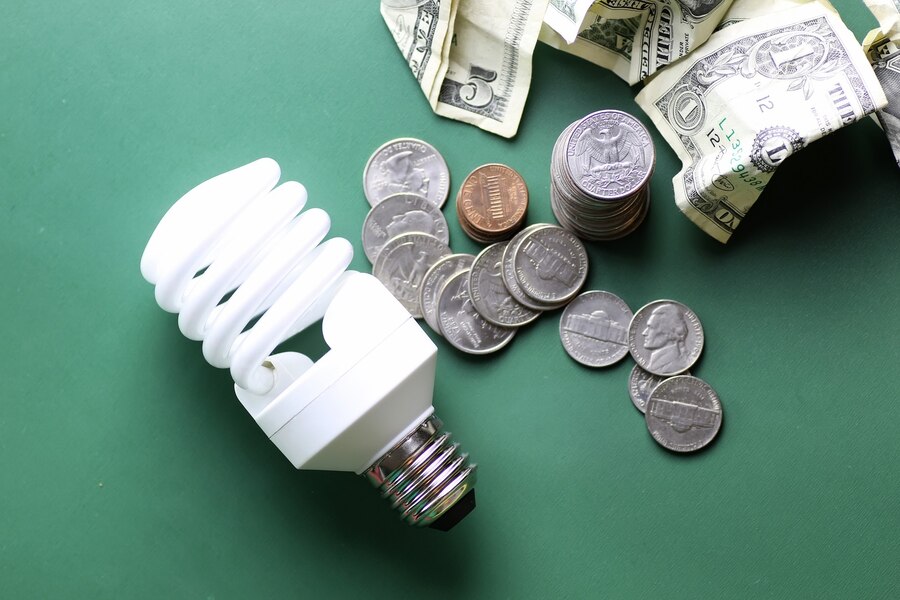
Electricity costs in Australia are on everyone’s mind. Whether you’re budgeting for your household or considering alternatives like solar panels for home, understanding how much electricity costs is vital. The answer varies depending on where you live, how much energy you use, and your tariff plan.

But don’t stress, mate—this guide is designed to break it all down. From the nitty-gritty of current electricity rates to tips for slashing your bills, we’ll walk you through everything you need to know about the average electricity cost and electricity price per kWh across Australia. We’ll also explore the impact of energy sources and how you can take control of rising bills, including going solar with trusted companies like Esteem Energy.

So, how much does electricity cost? Let’s dive in.

Understanding Your Electricity Costs in Detail

The Two Main Parts of Your Bill

Your electricity bill isn’t just based on how much energy you use. It’s made up of two essential components:

  1. Daily Access Fees: These are fixed charges you pay daily, regardless of whether you use any electricity. In Australia, these fees typically range between 93 cents and $1.07 per day.
  2. Usage Rates: This is the charge per kilowatt-hour (kWh) of electricity you consume. Rates generally fall between 20 to 35 cents per kWh, depending on your energy provider, region, and tariff.

Let’s say you consume 400 kWh in a month with a daily access fee of $1 and a usage rate of 25 cents per kWh. Here’s how your bill would look:

  • Daily Access: $1 × 30 days = $30.
  • Usage: 400 kWh × $0.25 = $100.
  • Total Monthly Bill: $130.

Want to learn more about electricity pricing and tariffs? Check out our blog on origin solar feed-in tariffs to see how you can offset your costs with renewable energy.

Tariff Types and Their Impact

How much electricity costs also depends on your tariff type. Here’s a breakdown:

  • Single-Rate Tariff: You’re charged the same rate for electricity throughout the day, no matter when you use it.
  • Time-of-Use Tariff: Different rates apply depending on the time of day. You can save big by using electricity during off-peak hours, like late nights or early mornings.
  • Controlled Load Tariff: This applies to specific appliances, like electric water heaters, often at lower rates but with restricted usage times.

Understanding your tariff and aligning it with your usage habits is a great way to save on average electricity costs. Read more about how solar energy works and how it can impact your tariff rates.

How Much Does Electricity Cost by Region?

Electricity rates in Australia vary significantly depending on your state or territory. Let’s break it down:

  • Queensland (QLD): Among the cheapest in Australia, electricity costs around 21.69 cents per kWh, with an annual bill of approximately $1,226 for a small household.
  • New South Wales (NSW): Rates hover around 27.57 cents per kWh, with annual bills averaging $1,380.
  • Victoria (VIC): Electricity costs average 25.19 cents per kWh, resulting in a yearly bill of $1,310.
  • South Australia (SA): This state sees some of the highest electricity costs at 34.14 cents per kWh, with annual bills reaching $1,750.
  • Tasmania (TAS): Costs are around 25.04 cents per kWh, but households face higher usage, leading to yearly bills of $2,044.
  • Australian Capital Territory (ACT): Rates average 27.58 cents per kWh, with annual costs around $2,004.

What Drives Electricity Costs in Australia?

Several factors influence how much electricity costs:

  1. Geography: Regions with significant renewable energy infrastructure (like hydro in Tasmania) often face higher upfront costs for maintenance and grid stability.
  2. Provider Competition: States like Victoria, with many energy providers, often enjoy more competitive current electricity rates.
  3. Seasonal Demand: Winter heating and summer air conditioning can significantly spike your bills.
  4. Energy Mix: States reliant on expensive fossil fuels or importing electricity (e.g., South Australia) often see higher prices.
  5. Government Policies: Subsidies, feed-in tariffs, and renewable energy targets impact electricity costs at both state and national levels.

How to Save on Your Electricity Costs

Reducing your average electricity cost doesn’t have to mean sitting in the dark. Here are some practical tips:

1. Compare Energy Providers

Use online tools to compare current electricity rates and find a plan that suits your usage habits. Many households save hundreds each year simply by switching providers.

2. Use Off-Peak Times

If you’re on a time-of-use tariff, plan activities like laundry or running the dishwasher during off-peak hours.

3. Go Solar

Installing solar panels can drastically reduce your reliance on grid power.   With solar panel installation and feed-in tariffs, you can sell excess electricity back to the grid, further cutting your costs.

4. Upgrade Appliances

Invest in energy-efficient appliances with high star ratings. While they may cost more upfront, the savings in electricity price per kWh over time are worth it.

5. Reduce Standby Power

Switch off appliances at the wall to stop them from consuming power when not in use.

How Renewable Energy Impacts Electricity Costs in Australia

Renewable energy is a hot topic in Australia and plays a significant role in shaping how much electricity costs. With increasing investments in wind, solar, and hydroelectric power, the country is gradually shifting toward a greener energy mix. But what does this mean for your electricity bill?

The Rise of Renewable Energy

Australia is one of the global leaders in solar energy adoption, with millions of homes equipped with solar panels. The country also harnesses wind and hydro power to support its energy grid. While renewables are clean and sustainable, they require significant upfront investment in infrastructure. These costs can lead to higher current electricity rates in states like Tasmania and South Australia, where renewable energy dominates.

Benefits of Renewable Energy for Consumers

  1. Lower Long-Term Costs: Although renewables might increase average electricity costs initially, they lower costs in the long run as the infrastructure pays off.
  2. Energy Independence: With solar panel batteries, households can generate their own electricity, reducing reliance on grid power.
  3. Feed-in Tariffs: Many states offer incentives for feeding excess solar power back into the grid, helping you offset your electricity price per kWh.
  4. Reduced Carbon Footprint: By adopting renewables, you contribute to a cleaner planet, which aligns with Australia’s sustainability goals.

Challenges of Renewable Energy

  1. Intermittent Supply: Solar and wind depend on weather conditions, which can lead to variability in energy availability.
  2. Infrastructure Costs: The transition to renewables requires upgrades to the national grid, impacting the cost of electricity by region.
  3. Regional Disparities: Areas with higher renewable energy adoption may face higher upfront costs due to the need for specialised infrastructure.

Why Solar Energy is the Future

Solar power is a game-changer for anyone looking to lower how much electricity costs. By generating your own electricity, you reduce your reliance on grid power and lock in long-term savings. Companies like Esteem Energy make the switch easy with:

  • High-Quality Solar Panels: Reliable, efficient, and backed by a 25-year warranty.
  • Fast Installations:  Get your 6.6 kW solar system up and running within a week.
  • Affordable Pricing: Options to suit various budgets.

Switching to solar isn’t just good for your wallet; it’s great for the planet too.

Conclusion

So, how much does electricity cost in Australia? While the answer varies, understanding the factors behind your bill can help you make smarter decisions. From comparing current electricity rates to switching tariffs or going solar, there are plenty of ways to reduce costs.

Take charge of your energy future today! Esteem Energy offers residential solar panel systems tailored to your needs. With a 25-year warranty and fast installations, it’s never been easier to cut your electricity bills. Get your free quote now and start saving big on how much electricity costs!

Frequently Asked Questions

The average cost of electricity in Australia per kWh is around 0.27 AUD, but it varies by state and region.

Factors include the region you live in, the type of tariff you are on, and the energy sources used in your area.

Electricity prices vary based on factors like network infrastructure, generation methods, and supply-demand dynamics in each state.

You can reduce costs by choosing a more suitable tariff, using energy-efficient appliances, or switching to renewable energy like solar.

The cost of electricity in Australia per kWh for businesses can be higher than residential rates, depending on consumption and business location.

Peak rates are higher during times of high demand, while off-peak rates are lower during periods of lower demand.

Use online tools like Energy Made Easy to compare prices from different electricity providers in your area.

Yes, installing solar energy systems can reduce your electricity costs significantly, especially in regions with high solar potential like Queensland.

How Much Does Electricity Cost Read More »

Solar Panel Maintenance

Solar Panel Maintenance

Solar panel maintenance is essential for ensuring that your residential solar power system operates at peak efficiency, longevity, and cost-effectiveness.  Proper care of solar panels enhances their ability to harness energy from sunlight, which translates to lower energy bills and a greener home.  In this comprehensive guide, we’ll cover everything you need to know about keeping your solar panels for home in top condition, from how to clean solar panels at home to professional inspection tips. Whether you’re curious about DIY solar maintenance or interested in scheduling a professional service, these insights will help you make the most of your solar system investment.

Why Solar Panel Maintenance is Essential

Investing in solar panel maintenance not only boosts your system’s energy output but also safeguards your investment for the long term. Here’s a breakdown of why regular maintenance is critical:

  • Enhanced Efficiency: Clean, well-maintained panels allow for maximum light absorption, directly affecting your energy output. This improvement in efficiency means you’ll generate more electricity from the same amount of sunlight.
  • Safety and Durability: Regular inspections help detect issues like faulty wiring or loose connections that could lead to safety risks. Additionally, maintaining the integrity of your panels ensures they can withstand environmental factors like strong winds, rain, and even hail.
  • Cost Savings Over Time: Proactive maintenance keeps larger, costly issues at bay, helping you avoid expensive repairs or replacements. Regular solar panel maintenance services ultimately lower the total cost of ownership, providing a strong return on your solar investment.

DIY vs. Professional Solar Panel Maintenance

Homeowners can take advantage of both DIY and professional maintenance to keep their solar panels in excellent shape.

DIY Cleaning Tips for Solar Panel Maintenance

For routine DIY solar maintenance, here are some safe and effective tips:

  • Use Clean, Lukewarm Water: Simply hosing down your panels with water can remove most dust and debris. Avoid using detergents or soap, as these can leave streaks that obstruct sunlight.
  • Avoid Abrasive Materials: Use a non-abrasive cloth or sponge to avoid scratches on the surface of the panels. If you’re working on a rooftop, consider using a telescopic pole for better reach.
  • Mind Your Safety: When cleaning rooftop panels, always prioritize safety. Use secure ladders and, if possible, work from the ground using extended cleaning tools to avoid accidents.
  • Follow a Detailed Solar Panel Cleaning Guide: If you’re unsure about best practices, refer to our solar panel cleaning guide for step-by-step instructions.

Professional Solar Panel Maintenance Services

While DIY solar panel cleaning is great for regular upkeep, a professional service offers deeper insights and technical support. Certified technicians can identify potential issues that aren’t visible to the untrained eye, such as damaged wiring, underperforming inverters, and potential fire hazards. Scheduling an annual or biannual service ensures your panels are functioning safely and efficiently, particularly during peak energy usage seasons.

Common Solar Panel Issues and Solutions

Over time, solar panels may face some common issues that could impact performance. Here’s a solar maintenance checklist for identifying and addressing these concerns:

  • Dust, Debris, and Grime Buildup: Over time, dirt can cover the surface of your panels, reducing their ability to absorb sunlight effectively. Regular cleaning, especially in dry or dusty regions, is essential to maintain efficiency.
  • Weather Damage: Solar panels are built to handle most weather conditions. However, extreme weather events like hailstorms or strong winds can damage panels. Regular post-storm inspections are recommended to catch any cracks, loose mounts, or other issues early.
  • Inverter and Wiring Checks: The inverter and wiring are critical to your system’s efficiency. Inspect these components periodically to ensure everything is connected securely and functioning correctly. Professional solar panel maintenance services can help identify wiring or connection issues.

Seasonal Maintenance Tips for Solar Panels

Different seasons come with unique maintenance needs. Here’s how to handle solar panel maintenance throughout the year:

  • Spring and Fall Checks: During these seasons, clean away pollen, leaves, and other debris that may accumulate. These are also ideal times for professional inspections.
  • Winter Maintenance: In areas with snowfall, it’s essential to keep panels clear of snow and ice. Gently brush away any accumulation, and avoid hot water, as rapid temperature changes can crack the glass.

By staying on top of seasonal maintenance, you can prevent build-up that might otherwise lead to more significant issues or costly repairs.

Monitoring Solar Panel Performance

One of the best ways to ensure your solar panel maintenance efforts are working is through regular performance monitoring.

Tracking Energy Output

Many solar systems come with built-in monitoring software or apps, allowing you to track energy production and spot inefficiencies early on. Unusual drops in production may indicate dirt buildup, shading, or other issues that need attention. Regularly monitoring energy output also helps you identify patterns and assess if further solar system upkeep is required.

Creating a Maintenance Schedule

To ensure your solar system runs smoothly, establish a regular maintenance schedule. Here’s an example:

  • Monthly: Quick visual inspection for any visible dirt or debris buildup.
  • Biannually: Comprehensive cleaning and DIY maintenance.
  • Annually or Biannually: Professional inspection to identify any hidden issues.

Cost of Solar Panel Maintenance

Understanding the cost of solar panel maintenance services helps you plan and budget accordingly. Here’s a general idea of common costs associated with maintenance:

Service Type

Estimated Cost (USD)

Basic Cleaning

$100 – $150

Professional Inspection

$150 – $200

Inverter Repair

$200 – $500

Full Panel Replacement

$300 – $500 per panel

Investing in maintenance not only helps in the short term but also extends the life of your solar panels, providing long-term savings and efficiency.

Tips for Effective Long-Term Solar Panel Maintenance

Keeping your solar panels in optimal condition isn’t complicated, but following best practices for long-term care can make a significant difference. Below are some tried-and-true tips for effective solar panel maintenance over the years:

  • Install Monitoring Systems: A monitoring system gives you real-time insights into your panels’ energy output, helping you spot changes or inefficiencies right away. Monitoring software can also notify you of sudden drops in production, which might signal a need for maintenance.
  • Trim Surrounding Trees and Shrubs: Overhanging branches or nearby tall plants can cast shadows over your panels, reducing energy production. Trimming trees around your installation area maximizes sunlight exposure and helps keep debris off the panels.
  • Check for Loose Mounts and Hardware: Periodically, check that all mounting hardware remains secure. Loose panels can lead to vibration, wear, and potential safety issues. Tightening loose bolts or securing mounts can prevent costly repairs in the long run.
  • Avoid Pressure Washing: Using high-pressure washers might seem convenient, but they can damage the delicate surface of solar panels. Stick to gentle hosing and soft brushes to keep the panels clean without harming them.

By following these practical steps, you can ensure that your solar system upkeep remains efficient and your panels perform at their best for years to come.

How Climate and Location Impact Solar Panel Maintenance

Different environments require different approaches to solar panel maintenance. Here’s how factors like climate, pollution levels, and proximity to saltwater affect your maintenance routine:

  • Dusty or Dry Climates: In arid or dusty areas, dust can settle quickly on your panels, reducing efficiency. Frequent cleaning might be necessary to maintain performance, especially during dry seasons with little rainfall.
  • Coastal Areas: Saltwater can corrode metal parts, so regular inspections and rinses with fresh water are recommended to avoid salt buildup.
  • Urban Areas: High levels of air pollution and smog can create a layer of grime on panels in cities, which may require more frequent cleaning than in rural or suburban areas.
  • Snowy Climates: In colder regions, snow can obstruct sunlight, so gently brushing off snow is essential to keep panels exposed. Consider using panel tilt adjustments or installing angled mounts for better snow runoff.

These location-based considerations are crucial to effective solar panel maintenance, helping you adapt your routine to environmental conditions.

Disposal and Recycling Options for Damaged Panels

When panels reach the end of their lifecycle, recycling is an eco-friendly way to handle disposal. Many parts, such as the metal frame and glass, can be recycled, reducing waste. For any components that can’t be recycled, check with your local waste facility to ensure safe disposal.

Conclusion

Regular solar panel maintenance is essential for optimal efficiency, safety, and longevity. By performing routine cleaning and scheduling professional inspections, you can ensure your solar system provides maximum energy output and lower energy costs for years to come. Use this solar maintenance checklist to keep your system in top shape and protect your investment in clean energy.

Esteem Energy: Your Partner in Solar Panel Maintenance

For comprehensive solar panel maintenance services that you can trust, turn to Esteem Energy. Our certified team provides expert installation, maintenance, and repair services to keep your panels performing at their best. With a commitment to quality and efficiency, Esteem Energy helps homeowners enjoy the full benefits of solar power with peace of mind. Ready to optimize your solar system? Contact Esteem Energy today for a quote and experience top-tier service in solar maintenance.

Frequently Asked Questions

Cleaning every six months is ideal, especially in areas prone to dust or pollution.

Reduced energy output, dirt buildup, or visible physical damage indicate maintenance needs.

No, it’s best to avoid soap to prevent streaking; clean water is sufficient.

Yes, they are built to withstand most weather conditions, but post-storm inspections are recommended.

Yes, professionals can detect issues that might go unnoticed, potentially saving you on repairs.

Rain helps, but it may not remove all dirt. Periodic manual cleaning is recommended.

Most systems come with monitoring apps to track energy output.

Not if you follow the manufacturer’s guidelines for maintenance.

Solar Panel Maintenance Read More »

Average Electricity Bill For 2 Person Household

Average Electricity Bill For 2 Person Household

Curious about the average electricity bill for 2 person household and wondering how to keep your monthly expenses under control? Understanding the factors that impact electricity costs for smaller households can help you budget effectively and make informed choices on energy usage.

On average, the electricity bill for a 2-person household in Australia is around $150 per month. However, this number fluctuates based on factors like your location, seasonal changes, appliance efficiency, and daily energy habits. This detailed guide will walk you through the average electricity bill for 2 person household, key cost drivers, and practical tips to help reduce your expenses.

Factors Influencing the Average Electricity Bill for 2 Person Household

The average electricity bill for 2 person household depends on various factors that impact energy consumption. Understanding these key influences is the first step in controlling costs:

Key Influences on Household Energy Costs

  • Geographic Location and Climate: Where you live has a big impact on energy costs. Cooler climates see higher heating costs, while warmer areas may lead to more air conditioning use. These climate-driven needs contribute directly to the monthly electricity cost for a 2-person household.
  • Seasonal Variability: Season changes significantly impact household energy use. Winter tends to raise heating costs, while summer can increase air conditioning bills. For example, a household may pay more in winter due to heating demands in places like Melbourne, while in Queensland, summer cooling adds to the average electricity bill for 2 person household.
  • Appliance Usage: High-energy appliances, such as refrigerators, washing machines, and heaters, play a significant role in the overall household energy consumption cost. For a 2-person household, it’s wise to monitor the usage of these appliances as they often consume the bulk of electricity.
  • Provider and Rate Selection: Not all energy providers are created equal, and the plan you choose can make a difference. Some providers offer peak and off-peak pricing that can help you optimize costs, while others may provide discounts or fixed-rate options. A suitable plan can keep the average electricity bill for 2 person household lower over the long term.

Average Monthly and Quarterly Costs for a 2-Person Household

Knowing the typical monthly and quarterly costs for a 2-person household can give you a benchmark for your own expenses. In Australia, the monthly electricity cost 2-person household averages around $150, with quarterly bills landing between $400 and $500.

Location

Average Monthly Cost

Average Quarterly Cost

Melbourne

$145

$435

Sydney

$150

$450

Brisbane

$120

$360

Perth

$140

$420

These values represent average figures and can change depending on individual habits and appliances. A small household with efficient appliances may see a lower average power bill for a small household, while heavy appliance use may push this cost higher.

Electricity Usage for Couples and Small Households

For a typical 2-person household, daily energy consumption is about 13 kWh, translating to approximately 400 kWh per month. Electricity usage for couples is generally lower compared to larger families, but can vary based on lifestyle and appliance use. Households can manage their energy expenses by keeping an eye on usage habits, which we’ll cover more in the next section.

How to Reduce Electricity Bills: Practical Tips for Small Households

Adopting household energy-saving ideas can significantly lower your bills. Here are some strategies:

  • Switch to LED Lighting: LEDs use up to 75% less energy than traditional bulbs.
  • Upgrade Appliances: Look for devices with high energy-star ratings.
  • Optimize Thermostat Settings: Smart thermostats adjust heating and cooling automatically to maximize efficiency.
  • Unplug Idle Electronics: Prevent phantom load by disconnecting devices not in use.
  • Take Advantage of Natural Light: Reducing artificial lighting during the day can cut costs.
  • Use Curtains or Blinds: Proper insulation reduces the strain on heating and cooling systems.

For more energy-saving insights, check out our article on the best way to clean solar panels.

Solar Energy: An Investment for Lowering Household Electricity Bills

Installing solar panels can drastically reduce the cost of living energy bills. Solar systems lower reliance on the grid, with average annual savings ranging between $500 and $1,000 for a small household. Additional benefits include:

Benefits of Solar for Small Households

  • Upfront Savings and Incentives:  Many states offer rebates or incentives for solar panel installation, which can reduce upfront costs.
  • Monthly and Annual Savings:   A standard 6.6 kW solar system can save a 2-person household between $500 and $1,000 annually by significantly lowering reliance on the power grid.
  • Environmental Benefits: Solar panels for home reduce greenhouse gas emissions, allowing households to contribute to environmental conservation while saving on their electricity bills.

Solar energy systems have become a viable solution for households aiming to minimize their average electricity bill for 2 person household. Investing in solar power not only benefits your wallet but also supports a cleaner planet.

Budget Electricity Bill Tips: Choosing the Right Plan

To keep your average electricity bill for a 2-person household within budget, consider these factors when selecting an electricity plan:

  1. Fixed vs. Variable Rates: Fixed rates provide stability, while variable rates can be cost-effective during low-demand periods.
  2. Discounts and Promotions: Look for introductory offers or referral bonuses.
  3. Off-Peak Scheduling: Shift energy-intensive tasks, such as laundry or dishwashing, to off-peak hours to benefit from lower rates.
  4. Switch to LED Bulbs: LEDs use up to 75% less energy than standard incandescent bulbs, reducing lighting costs.
  5. Install Smart Thermostats: These devices learn your habits and can automatically adjust to save on heating and cooling.
  6. Upgrade Appliances: Appliances with high energy-efficiency ratings can reduce monthly costs substantially.
  7. Take Advantage of Natural Light: By utilizing daylight hours, you can reduce the need for artificial lighting.
  8. Use Curtains for Insulation: Properly insulating with curtains can cut down on heating and cooling needs by reducing heat exchange through windows.

These small changes can result in noticeable savings on your average electricity bill for 2 person household and make your home more energy-efficient.

Choosing the Right Electricity Plan

Selecting an electricity plan that suits your needs is key to keeping the average power bill for a small household low. Consider the following:

  • Fixed vs. Variable Rates: Fixed rates offer consistency, while variable rates adjust with market prices, sometimes leading to savings.
  • Peak and Off-Peak Pricing: By understanding peak and off-peak hours, you can schedule energy-intensive activities during off-peak times for better rates.
  • Discounts and Promotions: Many providers offer sign-up discounts, referral bonuses, and seasonal promotions. Explore these options to see if you can further reduce your monthly electricity cost 2-person household.

Understanding Peak and Off-Peak Electricity Rates for Maximum Savings

One effective way to reduce the average electricity bill for a 2-person household is to make use of peak and off-peak pricing plans. Many energy providers offer plans that differentiate between peak and off-peak hours, allowing households to save by shifting energy-intensive activities to times when rates are lower.

What Are Peak and Off-Peak Hours?

  • Peak Hours: These are typically the times when demand for electricity is highest, often in the evenings when most people are home and using appliances. Rates are generally higher during these hours.
  • Off-Peak Hours: These hours usually fall during the day (late morning and early afternoon) or overnight when demand is lower, and electricity is cheaper.

By making informed energy choices, you can lower your monthly electricity expenses and potentially invest in a solar panel battery to store excess energy for later use.

Benefits of Using Off-Peak Times

  • Reduced Monthly Electricity Cost for a 2-Person Household: By shifting even a few high-energy tasks to off-peak times, households can see substantial reductions in monthly bills.
  • Improved Appliance Lifespan: Spacing out the use of heavy appliances can decrease wear and tear, leading to longer appliance life and fewer repair costs.

Save More with Esteem Energy’s Solar Solutions

If you’re looking to reduce your average electricity bill for a 2-person household and make a sustainable choice, Esteem Energy offers high-quality solar solutions tailored to small households. With advanced solar panel systems, expert installation, and competitive pricing, Esteem Energy can help you achieve significant savings while embracing clean energy.

Contact Esteem Energy today for a free consultation and quote to see how much you could save by switching to solar. Make the smart choice for a more affordable, energy-efficient home!

Conclusion: Make Your Home Energy-Efficient

Reducing your electricity costs starts with understanding your consumption patterns and making informed choices. From optimizing energy usage to exploring solar solutions, small changes can lead to big savings. Ready to lower your energy bills? Contact Esteem Energy for expert advice and sustainable energy solutions tailored to your needs.

Frequently Asked Questions

Generally, it’s around $150 per month, though this varies by location, appliance use, and season.

On average, a 2-person household consumes around 13 kWh daily, or about 400 kWh monthly.

Solar energy can reduce household electricity bills by $500 to $1,000 annually, depending on your setup and usage.

Heaters, air conditioners, refrigerators, and washing machines are among the biggest consumers.

Switching to energy-efficient appliances, utilizing solar, and managing usage during peak and off-peak hours can help.

Yes, many regions offer incentives or rebates for installing solar panels to help reduce initial costs.

Fixed-rate plans offer stability, while variable rates can provide savings if the market price drops.

Peak hours usually occur in the evening, while off-peak hours are typically overnight or midday.

Average Electricity Bill For 2 Person Household Read More »

What Is Solar Energy

What Is Solar Energy

In a world seeking sustainable energy sources, solar energy has emerged as a leading solution, providing clean, renewable power from the sun. But what is solar energy exactly, and how does it work? Solar energy is the radiant light and heat from the sun, captured and converted into usable energy through technologies like photovoltaic (PV) panels and solar thermal systems. This eco-friendly power source offers numerous benefits, from reducing electricity costs to cutting carbon emissions. In Australia, where sunlight is abundant, solar energy plays a significant role in powering homes and businesses, making it a practical choice for sustainable living.

In this article, we’ll dive into how do solar panel works, their uses, and the benefits of solar panels, along with a deeper look at how solar energy in Melbourne is paving the way for a greener future. Ready to discover how solar power can transform your energy consumption? Read on to learn more.


What is Solar Energy and How Does It Work?

Solar energy is the power derived from the sun’s light and heat, converted into usable forms such as electricity or thermal energy. This energy is captured using various technologies, primarily solar photovoltaic (PV) systems and solar thermal technology. PV systems directly convert sunlight into electricity, while solar thermal applications use sunlight to generate heat, which can drive power production or be used directly in heating applications.

To fully understand what is solar energy, it’s essential to know how it’s generated. Solar energy can be captured in two main ways: solar photovoltaic (PV) systems and solar thermal technology.

  • Solar Photovoltaic (PV) Systems:  At its core, PV technology is a method of converting sunlight directly into electricity. PV panels contain semiconductor cells, usually made from silicon, that respond to sunlight by generating an electric current. These solar panels are commonly installed on rooftops and in large solar farms. One of the most versatile answers to what is solar energy is found in the widespread adoption of PV systems.
  • Solar Thermal Technology:  This method uses mirrors or lenses to concentrate sunlight, creating heat that drives a steam turbine, ultimately generating electricity. Solar thermal is especially popular in industrial-scale applications and residential water heating. When considering what is solar energy, solar thermal technology offers a different, but equally impactful, way to harness the sun’s power.

Benefits of Solar Energy: Why Choose Solar Power?

Exploring what is solar energy also brings us to the numerous advantages it offers. Here are key reasons why more individuals and businesses are opting for solar energy:

  1. Cost Savings: Installing a solar energy system can drastically reduce electricity bills. With more sunlight, especially in sunny regions like Australia, solar panels can generate a substantial portion of a household’s or business’s energy needs. Additionally, there are incentives and rebates available, making the initial investment in solar energy systems more affordable.
  2. Environmental Impact: Solar energy is a clean, renewable resource. By using solar, we can cut down on greenhouse gas emissions, which significantly contribute to climate change. Unlike fossil fuels, solar energy does not produce harmful pollutants or carbon emissions during operation, making it a key player in sustainable energy solutions.
  3. Reliability and Low Maintenance: Solar panels are designed to last for decades, typically between 20 to 30 years, with very little maintenance. This is largely because they have no moving parts, which reduces the chances of mechanical failure. Occasional cleaning is all that’s required to keep the panels performing efficiently.
  4. Energy Independence: With solar panels, households and businesses can produce their own electricity, reducing their reliance on the energy grid. This means greater control over energy costs and protection from price fluctuations in the traditional energy market.
  5. Supporting Renewable Energy Goals: Many governments, including those in Australia, have renewable energy targets to transition to cleaner power sources. By adopting solar energy, individuals and businesses contribute to these goals, supporting a move towards a more sustainable, low-carbon economy.

Solar Energy Uses: How Solar Power is Changing Lives

There are many ways to use solar energy across residential, commercial, and industrial sectors. Solar energy uses extend far beyond simple rooftop installations, offering versatile applications that make it a valuable energy solution.

  • Residential Solar Power: Solar panels on home rooftops are becoming a common sight in Australia. These systems allow homeowners to harness solar energy to power lights, appliances, and more. Many homes now combine solar with battery storage systems, allowing them to store excess power for use at night or during cloudy days.
  • Commercial and Industrial Use: Businesses are increasingly turning to solar energy to offset their operational costs. Factories, office buildings, and warehouses use large solar panel systems to generate a significant portion of their energy needs. Solar energy can even power specific commercial processes, such as heating water or powering industrial machinery.
  • Agriculture and Rural Areas: Solar energy in Australia is helping farmers and rural communities access reliable power. Solar can be used for irrigation, powering agricultural machinery, and even running refrigeration units to keep produce fresh. The self-sufficiency provided by solar energy is particularly beneficial for remote areas with limited access to the traditional power grid.
  • Large-Scale Solar Farms:  For urban centers, large-scale solar farms are changing what is solar energy’s capacity to power entire communities. In Australia, where both land and sunlight are plentiful, solar farms generate clean energy that contributes significantly to the national grid.

Solar Energy Trends in Australia

Australia has one of the highest rates of solar energy adoption globally, thanks to favorable government policies and natural abundance of sunlight. Let’s look at some trends shaping solar energy in Australia:

  • Government Incentives: Subsidies and incentives are encouraging households and businesses to adopt solar energy systems, making it a more affordable option for the average Australian.
  • Battery Storage Systems: Solar panel battery technology is advancing, enabling homes and businesses to store excess energy for use during cloudy days or at night.
  • Integration with the Grid: The Australian energy grid is adapting to incorporate solar power from various sources, including rooftop PV systems and large solar farms.

Is Solar Energy Right for You? Key Considerations

If you’re considering investing in solar energy, there are several factors to weigh. Here’s a quick guide to help determine if solar power is the right choice for your home or business:

  1. Location and Sunlight: Solar energy is most effective in areas with ample sunlight. For residents in Australia, the high solar irradiance makes solar panels a practical option.
  2. Roof Space and Orientation: The efficiency of a solar panel system depends on the amount of roof space available and the direction the panels face. South-facing roofs typically capture the most sunlight in the Southern Hemisphere.
  3. Energy Needs: Determine your daily energy consumption to assess what size system will suit you best. If you consume large amounts of energy, a larger system with battery storage might be beneficial.
  4. Budget and Incentives: Although solar systems have an upfront cost, government incentives and tax credits can make them more affordable. Many Australians are eligible for financial incentives, which reduce the cost of installation.
  5. Long-Term Savings: Solar panels can pay for themselves over time through savings on energy bills. The initial investment may be offset within a few years, especially with the high electricity prices in many areas of Australia.

By considering these factors, you can make an informed decision about whether solar energy is the right fit for you.

Ready to Go Solar? Choose Esteem Energy for Quality and Efficiency

If you’re ready to make the switch to solar energy, Esteem Energy offers top-rated solar solutions that provide efficiency, reliability, and sustainable power. With years of experience and a commitment to customer satisfaction, Esteem Energy can guide you through the entire process, from system selection to professional installation. Embrace solar energy and start enjoying energy savings, environmental benefits, and independence from traditional energy sources. Connect with Esteem Energy today to get a quote and take the first step toward a sustainable, sun-powered future.

Frequently Asked Questions

Solar energy is power derived from the sun’s light and heat, captured and converted into electricity or heat using various technologies.

Solar energy works by using photovoltaic cells or solar thermal technology to harness sunlight and convert it into usable energy.

Solar energy offers cost savings, environmental benefits, and energy independence. It’s a renewable and sustainable choice.

Solar photovoltaic (PV) converts sunlight to electricity, while solar thermal converts sunlight to heat.

Yes, especially in sunny areas. The initial investment can be recouped over time through energy savings and government incentives.

Quality solar panels can last between 20–30 years with minimal maintenance.

Solar energy in Australia powers homes, businesses, farms, and entire communities through rooftop installations and large-scale solar farms.

Solar panels can be installed year-round, though sunnier seasons can provide a faster return on investment.

What Is Solar Energy Read More »

Best Solar Panels Australia

Best Solar Panels

Selecting the best solar panels is essential to optimizing your home’s energy efficiency and minimizing electricity costs in the long term. With a wide range of solar panel brands and technologies available, it can be challenging to identify the top solar panels Australia has to offer. This guide provides an in-depth look at the leading solar panels in the market, helping you make an informed choice that aligns with your energy needs and budget.

Whether you’re interested in the latest solar technology for high efficiency or simply want a recommended solar panel installation that’s reliable and cost-effective, this article will guide you through the key considerations for selecting the best solar panels for your home. We’ll explore leading brands, key features, and strategies to maximize your solar investment, ensuring your solar panel system performs optimally for years to come.

Why Choosing the Best Solar Panels Matters

Investing in best solar panels is more than just a financial decision; it’s an investment in long-term energy sustainability and environmental impact. Here’s why choosing the best solar panels matters:

  1. Environmental Impact: Solar energy reduces greenhouse gas emissions, helping combat climate change. By selecting high-efficiency solar panels for home, you maximize the positive impact, generating more clean energy and reducing reliance on fossil fuels.
  2. Long-Term Financial Savings: Solar panel systems deliver substantial savings on energy bills over time. With the best solar panel brands, you can optimize energy production, achieving higher returns on your investment due to the panels’ increased efficiency and durability.
  3. Durability and Warranty: Quality solar panels come with extensive warranties, often between 20 to 40 years. These warranties cover both product and performance, providing reassurance that your solar panels will remain efficient and productive for decades.
  4. Reduced Maintenance: Choosing reputable, recommended solar panels reduces the likelihood of breakdowns or performance issues, minimizing maintenance costs and hassles.

Key Factors to Consider When Choosing Solar Panels

To find the best solar panels for your needs, it’s essential to understand the factors that impact solar panel performance and longevity:

  • Efficiency: Solar panel efficiency is a measure of how effectively a panel converts sunlight into electricity. High-efficiency solar panels are ideal for homes with limited roof space, as they generate more power in less space.
  • Warranty: Warranties provide peace of mind and cover various aspects of the panel:
    • Performance Warranty: Ensures a panel’s energy output will remain above a certain level, typically 80-90% by the end of 25 years.
    • Product Warranty: Protects against manufacturing defects for 15 to 25 years, depending on the brand. The best solar panels often offer extended warranties.
  • Degradation Rate: Solar panels naturally lose efficiency over time. How long do solar panels last is a common question, and the best solar technology minimizes degradation rates, ensuring that panels maintain a high output over their lifetime.
  • Temperature Coefficient: In warmer climates, this factor indicates how much a panel’s efficiency declines as temperatures rise. Panels with lower coefficients are ideal for regions with extreme weather, helping maintain efficiency in hot conditions.
  • Bloomberg Tier 1 Ranking: This ranking is a widely used benchmark in the solar industry, highlighting the stability and reliability of a manufacturer. Choosing Tier 1 solar panel brands ensures your investment is backed by a trusted company.

Top 10 Solar Panels in Australia for 2025

Let’s explore the top solar panels Australia offers in 2025, spanning high-end options, value-for-money choices, and budget-friendly alternatives.

  1. REC Alpha Pure: Known for high durability and efficiency, the REC Alpha Pure series is ideal for those looking for best solar panels with minimal degradation and a strong performance warranty. With an efficiency rating up to 22.5%, these panels are a favorite among homeowners seeking reliable performance.
  2. SunPower Maxeon: A premium choice in high-efficiency solar panels, the SunPower Maxeon series offers up to 22.8% efficiency and a leading 40-year warranty. These panels are perfect for those prioritizing quality and durability in their solar investment.
  3. LG NeON R: Renowned for its efficiency and space optimization, the LG NeON R model provides excellent output even in limited spaces. With a product warranty of up to 25 years, this recommended solar panel ensures long-term reliability.
  4. Trina Vertex S+: Combining affordability and quality, Trina’s Vertex S+ is a solid choice for homeowners seeking the best solar panels that offer both efficiency and value. With efficiency around 21%, this panel balances cost with substantial energy production.
  5. Canadian Solar HiHero: Canadian Solar is a popular brand among Australians, offering efficient solar panels with competitive pricing. The HiHero series provides efficiency of up to 21.5% and comes with warranties that make it a viable option for budget-conscious users.
  6. Jinko Solar Tiger Neo: Known for their affordability and solid performance, Jinko Solar’s Tiger Neo panels are a smart option for those looking for best solar panels on a budget. With efficiency reaching 20.6% and product warranties up to 25 years, these panels offer good value for money.
  7. LONGi Hi-Mo 5: LONGi’s Hi-Mo 5 series is a budget-friendly option without compromising on quality. With an efficiency rate around 20% and a warranty ranging from 12 to 25 years, this best solar panel option is ideal for those new to solar energy.
  8. Risen Titan: The Risen Titan series offers efficient solar power generation at a competitive price. With an efficiency of 20.3%, these panels are ideal for cost-sensitive buyers seeking durability and reasonable output.
  9. Q CELLS Q.Peak Duo: With a strong reputation for high performance and reliability, Q CELLS Q.Peak Duo panels offer up to 20.5% efficiency and are backed by a 25-year product warranty, making them one of the top solar panels Australia has to offer.
  10. Seraphim Blade: Known for their solid warranty and cost-effectiveness, the Seraphim Blade series provides reliable energy output and durability. These panels are especially suitable for those looking for affordable high-efficiency solar panels with moderate degradation rates.

Maximizing Your Investment in Solar Panels

To ensure you get the most out of your solar panels and investment, consider the following strategies:

  • Choose an Accredited Installer: Always opt for a CEC-accredited installer. These professionals ensure your solar panels are installed safely and effectively, maximizing their efficiency and lifespan.
  • Optimize Panel Positioning: The orientation and tilt of your solar panels can impact their energy generation significantly. Ensure panels are installed at an optimal angle, facing the sun to capture maximum sunlight throughout the day.
  • Perform Regular Maintenance:  Although the best way to clean solar panels is simple, regular inspections help sustain their performance. Dust, leaves, and debris can reduce efficiency, so keeping the panels clean ensures optimal energy output.

Esteem Energy‘s Solar Solutions for Your Needs

Selecting the right installer is crucial to fully benefit from the best solar panels. Esteem Energy, one of Australia’s leading solar providers, offers top-rated solar panel systems, expert installation, and customized solutions for every budget. With a team of experienced CEC-accredited installers, Esteem Energy ensures precision, efficiency, and lasting quality.

Ready to embrace solar? Esteem Energy provides reliable solar installations tailored to your specific needs. Contact Esteem Energy today for a free consultation and start your journey toward sustainable, cost-effective solar power.

Frequently Asked Questions

The best solar panels Australia are those that are designed to perform well in extreme weather conditions and provide long-term durability.

Consider your energy needs, roof space, and budget when choosing residential solar panels. High-efficiency panels are ideal for homes with limited space.

Yes, brands like Jinko Solar and LONGi offer affordable solar panels that still provide good performance at a lower price point.

Solar panels can reduce your electricity bills by 50-70%, depending on your system size and usage patterns.

Quality solar panels last between 25-40 years, with minimal degradation in efficiency over time.

Most best solar panels Australia come with warranties of 25 years, covering both product and performance.

It’s best to hire a CEC-accredited installer to ensure proper installation and compliance with local regulations.

Solar panels reduce carbon emissions and reliance on fossil fuels, helping to fight climate change and promote a greener future.

Best Solar Panels Australia Read More »

Solar Panel cleaning

Solar Panel cleaning

Solar panel cleaning is a critical step in ensuring that your solar panels for home operate at its highest efficiency. A clean panel captures more sunlight, which means more energy output and lower electricity bills. Regular cleaning can prevent up to a 20% reduction in energy production caused by dust, dirt, and bird droppings.

Whether you prefer a DIY approach or are considering hiring professionals, understanding the best way to clean solar panels will help you maintain their performance and protect your investment. This guide will cover everything you need to know, from essential solar panel cleaning tools to solar panel maintenance tips and the advantages of using solar panel cleaning products.

Why Solar Panel Cleaning is Important

Clean solar panels are essential for maintaining optimal energy output. Over time, panels accumulate dirt, pollen, and grime, which can create a barrier that blocks sunlight and lowers the amount of electricity generated. Regular cleaning allows your solar panels to work at full capacity, translating to more energy savings.

Benefits of Regular Solar Panel Cleaning

  • Enhanced Energy Production: Cleaner panels mean more sunlight absorption, which results in higher energy generation.
  • Extended Panel Lifespan: Dirt and residue can wear down the surface of solar panels over time. Routine cleaning reduces the risk of permanent damage.
  • Financial Savings: By maintaining peak performance, you reduce dependency on grid electricity, maximizing savings.

How Often Should You Clean Your Solar Panels?

The frequency of solar panel cleaning depends on several factors:

  1. Location: Urban, industrial, and coastal areas may require more frequent cleaning due to pollution, salt, or dust.
  2. Environmental Conditions: If you live in an area with high pollen, nearby foliage, or significant bird activity, you might need to clean your panels every 3-4 months.
  3. Rainfall Frequency: Regions with regular rain may naturally wash away dust, requiring less frequent cleaning. However, is solar worth it? An annual professional cleaning can still benefit your system.

For most setups, a biannual cleaning schedule is a good balance, but monitoring your system’s output can indicate when additional cleaning may be necessary.

DIY Solar Panel Cleaning Tips

Cleaning solar panels yourself can be effective and cost-efficient. Following these steps and using the right cleaning tools for solar panels can help you achieve great results without risking damage to the panels.

Recommended Solar Panel Cleaning Tools

Using the right cleaning tools for solar panels is essential to avoid scratching or damaging the surface. Here’s a table outlining recommended tools:

Tool

Purpose

Soft-bristled Brush

Removes stubborn dirt without scratching

Mild Soap Solution

Cleans effectively without harming the panels

Hose with Low Pressure

Rinses away dirt without risking damage

Squeegee with Extension

Removes water to prevent streaking

Step-by-Step DIY Solar Panel Cleaning Guide

  1. Turn Off the System: Always turn off your solar panels before cleaning to ensure safety.
  2. Rinse with Low-Pressure Water: Use a hose with low pressure to wash off loose debris and dust.
  3. Apply Soap Solution: Mix a mild soap (avoid harsh chemicals) with water and apply it using a soft cloth or brush.
  4. Scrub Gently: Use a soft-bristled brush to remove any stubborn dirt, but avoid pressing too hard, as excessive force can damage the panel surface.
  5. Rinse and Dry: Rinse thoroughly to remove all soap residue. Use a squeegee to remove excess water and prevent streaks.

Tip: For best results, clean on a cloudy day or in the early morning to prevent soap from drying too quickly and causing streaks.

Solar Panel Cleaning Products

For those looking for dedicated solar panel cleaning products, various eco-friendly options are available. These products are designed to be safe for the anti-reflective coating on solar panels, ensuring that they remain in top condition.

Features to Look for in Solar Panel Cleaning Products:

  • Biodegradability: Choose products that are environmentally friendly and won’t harm local water sources.
  • Non-Abrasive Formula: Avoid cleaners with strong acids or bases that could damage panel surfaces.
  • Designed for Anti-Reflective Coatings: Look for products specifically marked safe for use on solar panels to protect their specialized coating.

Using the right solar panel cleaning products not only keeps your panels clean but also protects them from potential damage.

Common Mistakes to Avoid

While cleaning your solar panels, be mindful to avoid these common mistakes that can lead to costly repairs:

  • High-Pressure Washers: High-pressure washers can damage solar panels and void warranties. Use only low-pressure water sources.
  • Harsh Chemicals: Abrasive or acidic cleaners can strip the protective coating, reducing panel efficiency and lifespan.
  • Cleaning in Direct Sunlight: Cleaning on hot, sunny days can cause water and soap to evaporate quickly, leaving streaks and residue.
  • Walking on Panels: Walking on solar panels can cause microcracks and reduce their effectiveness. Use proper safety equipment and avoid standing directly on panels.

When to Hire a Professional

While DIY solar panel cleaning can be effective, some circumstances may require professional help:

  • Roof Access Challenges: If your solar panels are on a high or complex rooftop, hiring professionals can ensure safety.
  • Warranty Requirements: Some solar panel warranties require periodic professional cleaning to remain valid.
  • Quality Assurance: Professionals use specialized techniques to ensure thorough cleaning without damaging your panels.

Professional cleaning services have the right tools and experience to keep your panels spotless, maximizing energy production.

Solar Panel Monitoring and Maintenance Tips

In addition to cleaning, solar panel monitoring can help you track energy production and identify when maintenance is necessary. Many inverters come with monitoring features that let you view performance data.

Maintenance Tips for Long-Term Efficiency:

  • Check for Shading: Trim branches or other obstructions that may cast shadows on your panels, reducing energy output.
  • Inspect for Damage: Regularly check for cracks, loosened wiring, or signs of wear that may affect efficiency.
  • Schedule Annual Inspections: A yearly inspection by a professional can help detect and prevent minor issues before they impact performance.

How Does Solar Panel Cleaning Impact Efficiency?

Solar panel cleaning plays a critical role in maintaining optimal efficiency. Studies have shown that dirty panels can lose up to 25% of their energy output due to obstructed sunlight. Regular cleaning ensures that your solar panels are absorbing as much sunlight as possible, maximizing the electricity produced.

Effects of Dirt and Debris on Solar Panels

Dust, pollen, leaves, and bird droppings can create a layer over the surface of the panels, reducing their ability to absorb sunlight. This blockage prevents the panels from capturing the full energy they are designed to harness. Regular cleaning allows your system to maintain its full power potential, which in turn improves your return on investment.

Seasonal Considerations

Different seasons can impact the cleanliness of your solar panels:

  • Spring: Pollen and other plant particles can coat panels, especially in areas with high foliage.
  • Summer: Increased bird activity and dust from dry weather may require more frequent cleanings.
  • Fall: Fallen leaves and organic debris can build up, making a post-fall cleaning ideal.
  • Winter: Although snowfall can help clear dirt, it’s essential to remove accumulated snow or ice to maintain efficiency.

Can You Clean Solar Panels Without Water?

In areas facing water restrictions, dry solar panel cleaning methods can be a valuable alternative. Here are some options:

  • Soft Microfiber Cloths: Ideal for light dust, a microfiber cloth can help remove debris without water.
  • Air Blowers: Using compressed air to blow away dirt is another option, particularly useful for loose dust or pollen.
  • Dry Brushes: For hard-to-remove grime, soft-bristled brushes work well without scratching the surface.

Although these methods are useful for light cleaning, they may not be sufficient for removing sticky residues, like bird droppings. For deeper cleaning, a gentle rinse with water may still be required periodically.

Conclusion  

Maintaining clean and well-functioning solar panels is essential for maximizing the return on your solar investment. With regular cleaning and monitoring, you can ensure that your solar panels operate at peak efficiency, extending their lifespan and boosting your energy savings.

If you’re looking to keep your panels in top condition without the hassle, Esteem Energy offers expert solar panel maintenance and cleaning services. Let our trained professionals handle your solar panel care, so you can enjoy reliable, renewable energy year-round. Contact Esteem Energy today to schedule a cleaning and ensure your solar panels stay efficient and effective.

Frequently Asked Questions

A general recommendation is every 6 months, though high-dust or high-pollen areas may require more frequent cleaning.

Use a low-pressure hose, mild soap, and a soft brush to gently clean the panels without damaging the surface.

Vinegar’s acidity can harm solar panels; it’s safer to use a mild soap solution or dedicated solar panel cleaner.

Yes, turning off the system is essential for safety before any cleaning.

No, high-pressure water can damage the surface. Stick to a gentle spray from a garden hose.

Yes, there are eco-friendly and coating-safe products designed specifically for solar panels.

Early morning or cloudy days are ideal to prevent quick drying and streaks.

For large installations or difficult-to-reach panels, professional cleaning can be safer and more effective.

Solar Panel cleaning Read More »

How To Clean Solar Panels At Home

How to clean solar panels at home

Maintaining the efficiency of your solar panels requires regular cleaning, but many homeowners may not know where to begin when it comes to how to clean solar panels at home. The process is simpler than you might think, and doing it yourself can save you money while ensuring your panels work at their full capacity. In this guide, we will take you through the best methods to clean solar panels, step-by-step. Whether you’re dealing with dust, debris, or bird droppings, regular maintenance is key to maximizing the performance and lifespan of your system.

Keeping your solar panels for home clean is crucial for maximizing energy production and lowering your electricity bill. With our guide, you’ll learn everything from DIY solar panel cleaning to tips on professional maintenance and how often you should clean. Let’s get started and ensure your solar panel care at home is as efficient and easy as possible.

Why Is Cleaning Your Solar Panels Important?

Wondering why how to clean solar panels at home is important? It’s all about efficiency. Over time, dirt, dust, and other contaminants build up on the surface of your solar panels, reducing their ability to absorb sunlight. This can decrease the amount of energy your system generates by up to 20%. If you want to get the most out of your investment, regularly cleaning your solar panels is essential.

For more insights on maximizing efficiency, check out our blog on how solar panels work.

Benefits of Cleaning Solar Panels at Home:

  • Increased Energy Efficiency: Clean panels can absorb more sunlight, leading to increased energy production.
  • Extended Lifespan: Keeping panels free from dirt helps prevent long-term wear and tear.
  • Cost Savings: By maximizing the efficiency of your panels, you’ll save on your electricity bills.

Remember, home solar panel maintenance isn’t just about keeping things clean—it’s about ensuring your solar panels deliver the highest possible energy output, saving you money in the long run. Read more about the benefits of solar panels to understand why proper maintenance is crucial.

How Often Should You Clean Solar Panels?

The frequency of cleaning depends on environmental conditions, weather, and surrounding debris. Let’s explore the factors influencing when to clean solar panels at home:

  • Dusty or Polluted Areas: In regions with high dust levels, industrial pollution, or traffic emissions, clean your panels every 3-4 months.
  • Rainy Areas: While rain helps wash away some dirt, it doesn’t remove tough stains like bird droppings. Clean at least twice a year, especially after dry seasons.
  • Tree-Covered Locations: Panels near trees often accumulate bird droppings, leaves, and sap. A 3-4 month cleaning schedule is recommended.

Pro Tip:

Inspect your panels regularly to assess dirt levels and adjust your cleaning routine as needed. Seasonal weather changes often dictate the best times for home solar panel maintenance.

Tools and Equipment Needed for Solar Panel Cleaning

To safely and effectively clean solar panels at home, it’s important to have the right tools. Here’s a list of equipment you’ll need for DIY solar panel cleaning:

  • Soft-Bristle Brush: Ideal for removing dust and dirt without scratching the surface of the panels.
  • Warm Water and Mild Detergent: Eco-friendly soap mixed with warm water works well to clean the surface without damaging the panels.
  • Garden Hose with Gentle Spray Nozzle: Use this to rinse the panels without applying too much pressure.
  • Squeegee or Soft Cloth: After rinsing, use these to dry the panels and prevent water spots or streaks.
  • Distilled Water: This is especially important if your local tap water contains minerals that may leave deposits on your panels.

 Having the proper tools is key to maintaining your solar system’s efficiency while ensuring that you’re following safe best ways to clean solar panels practices.

Safe Cleaning Solutions for Panels: Step-by-Step Guide 

Learning how to clean solar panels at home is easier than you might think. Follow these simple steps to ensure your panels are properly cleaned without causing any damage:

  1. Safety First:
    • Before you start, ensure that the panels are cool by cleaning them early in the morning or late in the evening.
    • Use a sturdy ladder and wear non-slip shoes to ensure your safety while cleaning.
  2. Initial Rinse:
    • Use a garden hose with a gentle spray to remove loose debris, such as dust, dirt, and bird droppings. Avoid using high-pressure washers, which could damage the panels.
  3. Prepare Cleaning Solution:
    • In a bucket, mix warm water with a mild, eco-friendly detergent. If possible, use distilled water to avoid leaving streaks or mineral deposits on the surface.
  4. Gently Clean the Panels:
    • Dip a soft-bristle brush or sponge into the cleaning solution and gently scrub the panels. Be sure not to use harsh chemicals or abrasive materials that could scratch or damage the panels.
  5. Final Rinse:
    • After cleaning, rinse the panels thoroughly with clean water to remove any soap residue.
  6. Dry the Panels:
    • Use a soft cloth or squeegee to dry the panels to avoid streaking. Make sure no soap or water spots are left behind, as these can reduce efficiency.

By following these steps, you’ll master how to clean solar panels at home with ease, ensuring that they stay efficient and provide maximum energy output.

What to Avoid When Cleaning Solar Panels

When learning how to clean solar panels at home, it’s important to avoid common mistakes that could cause more harm than good. Here are some things to avoid:

  • Avoid Abrasive Materials: Never use harsh brushes, steel wool, or scrubbing pads, as they can scratch the surface of your panels.
  • Don’t Use High-Pressure Water: High-pressure water can damage the seals around your panels, causing potential water damage or cracks.
  • Don’t Clean on Hot Days: Cleaning your solar panels when they are hot can cause water to evaporate quickly, leaving streaks that reduce efficiency.
  • Avoid Walking on Panels: Solar panels are delicate and can crack if too much weight is applied.

By avoiding these common mistakes, you’ll ensure that your solar panel care at home keeps your system in top shape.

Monitoring and Maintaining Solar Panel Efficiency

After cleaning, monitor your system’s performance to ensure the cleaning process has improved energy output. Use these methods:

  • Energy Monitoring Tools: Most systems include apps to track energy production.
  • Before and After Comparison: Note performance levels before and after cleaning.
  • Regular Inspections: Check your panels for dirt buildup or signs of damage.

Tracking performance ensures your home solar panel maintenance efforts are effective and timely.

DIY vs. Professional Cleaning – Which Is Right for You?

While many homeowners prefer DIY solar panel cleaning, there are times when professional cleaning services are the better option. Here’s how to decide which method is right for you:

  • DIY Solar Panel Cleaning:
    • Cost-effective and easy for small, ground-level systems.
    • Requires time and the right equipment but allows for more control.
    • Ideal for those comfortable working on rooftops or with accessible solar panels.
  • Professional Solar Panel Cleaning:
    • Recommended for hard-to-reach panels, rooftop systems, or large installations.
    • Professionals use specialized tools to ensure a deep, safe clean without damaging your system.
    • Ideal for those who prefer not to risk climbing or handling large systems.

Whichever method you choose, regular cleaning is crucial for maintaining the efficiency and longevity of your solar panels.

Monitoring Solar Panel Performance After Cleaning

After learning how to clean solar panels at home, it’s important to track your system’s performance to see the effects of your cleaning efforts. Here are some ways to monitor your system:

  • Energy Monitoring Tools: Most solar systems come with monitoring apps that allow you to track energy production in real time.
  • Compare Before and After: Check your system’s performance before and after cleaning to see if there’s an improvement.
  • Regular Checks: Regularly monitoring your panels ensures you catch any dips in performance early, which could indicate that additional cleaning or maintenance is needed.

By consistently monitoring your system, you’ll ensure that your home solar panel maintenance efforts are paying off.

Conclusion 

Regular home solar panel maintenance is essential for ensuring that your system operates at peak efficiency. By following these tips on how to clean solar panels at home, you’ll keep your panels in excellent condition, increasing their lifespan and maximizing your energy savings. If you’re interested in comparing different solar panel options, take a look at our review of the top 10 solar panels in Australia.

Let Esteem Energy Help You Maximize Your Solar Efficiency

If you’re not confident in cleaning your solar panels or need expert assistance, Esteem Energy can help. We provide top-tier solar panel installation and maintenance services, ensuring that your system performs at its best. Contact us today at Esteem Energy or call 1300 220 354 for professional assistance in maintaining your solar panels for optimal performance.

Frequently Asked Questions ​

It’s not required, but turning off the system reduces the risk of electrical issues during cleaning.

While tap water works, distilled water is recommended to avoid mineral deposits that may leave streaks.

Twice a year is generally recommended, but more frequent cleaning may be needed in dusty or polluted areas.

No, walking on panels can cause cracks and damage their efficiency.

No, high-pressure washers can damage the panels and their seals.

Use a mild, eco-friendly detergent to avoid damaging the panels.

Rain helps remove loose debris, but it won’t clean off stubborn grime or bird droppings.

If your panels are difficult to reach or heavily soiled, professional cleaning is a good option.

How To Clean Solar Panels At Home Read More »

How Much Money Do You Save With Solar Panels Australia

How much money do you save with solar panels Australia

Are you curious about how much money you save with solar panels in Australia? This question is more relevant than ever as Australians embrace renewable energy solutions to combat rising electricity costs and reduce environmental impact. Solar power offers an effective way to lower your energy bills and achieve long-term financial stability.

By understanding key factors like system size, energy usage, location, and feed-in tariffs, you can optimize your solar investment to ensure substantial savings. Coupled with tools like a solar savings calculator Australia, it’s easier than ever to calculate the financial and environmental benefits of installing solar panels.

In this guide, we explore the potential savings solar energy offers, the costs involved, and actionable steps to maximize your return on investment (ROI).

What Factors Influence Solar Savings?

When considering how much money do you save with solar panels Australia, it’s important to understand the different factors that can influence your total savings. The effectiveness and savings you get from solar panels depend on several key elements.

1. System Size and Energy Consumption

One of the primary factors determining how much money do you save with solar panels Australia is the size of the system you install. Larger systems generate more electricity, which can result in higher savings, but the size of the system must match your household’s energy needs. For example:

  • 5kW Solar System: This size is perfect for a medium-sized home and can save you $1,200–$2,000 annually.
  • 8kW Solar System: For larger households, this system can generate savings between $2,500 and $3,500 per year.

Using a solar savings calculator Australia can help you predict savings tailored to your energy usage. By properly sizing your system, you ensure maximum efficiency, minimizing waste while cutting electricity costs.

2. Location and Sunlight Exposure

Your geographic location in Australia plays a significant role in determining solar panel savings in Australia. Areas with higher sunlight exposure, like Queensland, allow solar panels to generate more electricity, maximizing your savings. Conversely, areas with less sunlight, like Tasmania, may see lower but still substantial savings. Consider these typical savings for a 5kW solar system:

  • Queensland: Annual savings range from $1,200 to $2,000.
  • New South Wales: Savings between $1,000 and $1,800 per year.
  • Victoria: Savings typically range from $850 to $1,500 annually.
  • Tasmania: Solar savings can range from $750 to $1,200 per year.

Even in states with less sunlight, solar panel savings in Australia remain significant because of the country’s overall high solar radiation levels.

3. Feed-in Tariff Rates

Another important factor affecting how much money do you save with solar panels Australia is the feed-in tariff rate offered by your energy provider. A feed-in tariff is the amount your energy provider pays you for any excess electricity your solar panels generate and send back to the grid. This can significantly boost your savings. Tariff rates generally vary between 7 to 12 cents per kWh, depending on your state and energy provider. This means the more electricity your panels produce, the more money you save, and the more you earn from exporting excess energy.

For example, in states like Queensland and South Australia, where best solar feed-in tariffs NSW are typically higher, homeowners can experience greater financial benefits of solar panels. Even in areas with lower tariffs, the savings from using solar power for your own home are still substantial.

4. Solar Battery Storage

For those looking to further maximize solar panel savings in Australia, adding a solar battery to your system can make a significant difference. Solar batteries allow you to store excess electricity generated during the day, which can then be used during the night or during peak electricity rate periods. This reduces your reliance on the grid and allows you to maximize your cost savings from solar energy.

Although adding solar battery adeliade can be a larger upfront investment, the financial benefits of solar panels combined with battery storage include long-term savings, energy independence, and greater control over your energy usage.

Understanding the Costs: Upfront and Ongoing

The upfront cost of solar panel installation depends on the size of your system:

  • 5kW System: Costs $4,000–$6,000.
  • 8kW System: Costs $7,000–$9,000.
  • 10kW System: Costs $9,000–$12,000.

Despite these initial costs, the payback period for solar is typically between 3–6 years, depending on your location, system size, and energy consumption. After this period, the system essentially pays for itself, resulting in years of free energy and additional savings.

Furthermore, the cost savings per kW solar make it a sound financial decision, with significant long-term rewards for households.

How Much Money Can You Save Annually?

When it comes to how much money do you save with solar panels Australia, your location will largely determine your annual savings. Here’s a breakdown of expected savings based on a 5kW system:

  • Queensland: Savings between $1,200 and $2,000 per year.
  • New South Wales: Annual savings of $1,000 to $1,800.
  • Victoria: Estimated savings of $850 to $1,500 per year.
  • South Australia: Homeowners can save between $1,300 and $2,000 annually.

These savings vary depending on factors such as system size, feed-in tariffs, and sunlight exposure. The potential for significant savings makes solar energy an attractive investment for Australian households, regardless of location.

Maximizing Your Return on Investment

Maximizing solar panel savings in Australia requires careful planning and consideration. Here are some tips to help you get the most from your solar investment:

  • Choose a reputable solar provider: Working with a trusted company like Esteem Energy ensures you get high-quality panels and professional installation, which is crucial for maximizing savings.
  • Use a solar savings calculator Australia: Before installing, use tools like a solar savings calculator Australia to estimate how much you could save based on your specific energy usage and location.
  • Invest in solar batteries: Storing excess energy for later use can significantly reduce your reliance on grid electricity, further boosting your savings.
  • Regular maintenance: Keeping your solar panels clean and properly maintained ensures they operate at peak efficiency, extending the lifespan of your system and enhancing the financial benefits of solar panels.

Long-Term Benefits of Solar Energy

The long-term benefits of solar energy extend beyond cost savings. Solar power helps reduce carbon emissions, enhances energy independence, and boosts property values. Whether it’s reduced electricity bills with solar or the potential for sustainable energy storage, solar power offers unmatched benefits for Australian households.

Why Choose Esteem Energy?

Esteem Energy is one of Australia’s top-rated solar providers, offering a range of high-efficiency solar panels and batteries. Here’s why you should consider Esteem Energy:

  • High-Quality Panels: Esteem Energy offers panels from top brands like EGING and Risen, known for their durability and efficiency.
  • Seamless Installation: Esteem Energy’s professional team ensures that your system is installed efficiently and on time, so you can start enjoying cost savings from solar energy immediately.
  • Long-Term Warranties: Their products come with long warranties, ensuring peace of mind and reliability for years to come.

Get Started with Esteem Energy Today!

Now that you know how much money you save with solar panels Australia, take the first step toward energy independence and financial savings. Esteem Energy offers high-quality solar systems, expert installation, and competitive pricing. Contact Esteem Energy today for a free consultation and start saving on your electricity bills while contributing to a greener future.

Frequently Asked Questions​

Depending on your location, system size, and energy usage, you can save anywhere from $1,200 to $2,000 per year with a 5kW system.

The average payback period for solar panels in Australia is between 3 to 6 years, depending on your system size, location, and energy consumption.

The Small-scale Renewable Energy Scheme (SRES) provides financial incentives to reduce upfront costs, along with state-based rebates and feed-in tariffs.

Feed-in tariffs are payments from energy providers for the excess electricity your solar panels produce and send back to the grid, helping to increase savings.

If your system has battery storage, you can use the stored energy during a blackout. Otherwise, traditional solar panels won’t work without a grid connection.

Solar panels require minimal maintenance, but regular cleaning and checks ensure optimal performance and longer system life.

Yes, installing solar panels can increase your home’s property value by making it more energy-efficient and appealing to eco-conscious buyers.

Adding solar batteries can significantly reduce your reliance on grid electricity, potentially saving you an additional $500 to $1,000 annually.

How Much Money Do You Save With Solar Panels Australia Read More »

How Many Solar Panels For 10KW

How many solar panels for 10kW

Are you wondering how many solar panels for 10kW system you’ll need to meet your energy needs? If so, you’re not alone! Many homeowners and business owners are turning to solar energy to reduce their electricity bills, increase sustainability, and become more energy-independent. A 10kW solar system is one of the most popular choices for medium to large households and small businesses due to its capacity to generate a significant amount of energy.

Knowing how many solar panels for 10kW system you’ll need is crucial for optimizing your setup, whether you’re looking to maximize energy production or reduce the number of panels on your roof. In this article, we’ll explore the key factors that determine the number of panels for a 10kW system and how you can make the most of your available roof space.

What Is a 10kW Solar System?

A 10kW solar system is a solar energy solution designed to produce approximately 40 to 55 kilowatt-hours (kWh) of electricity daily, depending on your location, weather conditions, and system efficiency. This level of power generation is ideal for homes with high energy consumption—such as those with air conditioning, heating systems, or multiple large appliances—as well as small-to-medium businesses looking to lower their operational costs.

Not only does a 10kW solar configuration provide significant energy savings, but it also helps homeowners and business operators reduce their carbon footprint while contributing to a more sustainable future. However, the specific number of solar panels for a 10kW system depends on several critical factors, which we will explore below.

How Many Solar Panels Are Needed for a 10kW System?

When considering how many solar panels for 10kW solar system are required, it’s essential to understand that solar panels come in different sizes, or wattages. Most residential solar panels system available today are between 370W to 450W. This means that the total number of panels for a 10kW system will vary depending on the efficiency and power rating of the panels you choose.

Here’s a breakdown of how many solar panels for 10kW system based on common panel wattages:

  • 370W solar panels: You’ll need approximately 27 panels to reach 10kW.
  • 400W solar panels: You’ll need approximately 25 panels.
  • 450W solar panels: You’ll need approximately 22 panels.

To calculate how many solar panels for 10kW system you need, you can use a simple 10kW solar system panel calculation: divide the total system size (10,000 watts) by the wattage of each panel. So, for instance:

  • 10,000W ÷ 370W = 27 panels
  • 10,000W ÷ 400W = 25 panels
  • 10,000W ÷ 450W = 22 panels

This is the basic way to determine the number of panels for a 10kW system. It’s important to choose panels that fit your specific needs, based on factors like roof space and budget.

Key Factors Influencing the Panel Count for a 10kW System 

While the calculation above gives you a general idea of how many solar panels for 10kW system you need, there are several other factors that can influence the final count. Understanding these factors will help you make the best choice for your home or business.

1. Panel Efficiency

The efficiency of your solar panels plays a huge role in determining how many solar panels for 10kW system you will need. Higher-efficiency panels, such as 450W panels, produce more energy per square meter. This means you’ll need fewer panels to generate the same amount of electricity as you would with lower-efficiency panels.

Choosing higher-wattage, more efficient panels can help you reduce the total solar panel requirements for a 10kW system, which is particularly useful if you have limited roof space.

2. Available Roof Space

Your available roof space is a critical factor in determining how many solar panels for 10kW system you can actually fit. A 10kW system with 22 high-efficiency panels will take up less space than a system with 27 lower-wattage panels.

If your roof is small or has obstacles like skylights or vents, you’ll want to opt for panels with higher wattages to maximize energy production in a limited area. For larger roofs with ample space, you may have more flexibility in your solar panel requirements for a 10kW system.

3. Location and Sunlight Exposure

Geographic location also plays a significant role in determining how many solar panels for 10kW system will be needed. Areas with more consistent and intense sunlight, such as Queensland, will require fewer panels to generate the same amount of energy compared to areas with less sunlight, such as Tasmania.

The tilt and orientation of your roof also impact the sizing solar panels for a 10kW system. A north-facing roof in Australia will receive optimal sunlight throughout the day, allowing the panels to produce maximum electricity.

4. Roof Shading

Shading from trees, nearby buildings, or other obstructions can decrease the performance of your solar panels, which in turn affects how many solar panels for 10kW system you’ll need. If your roof is partially shaded, you may need additional panels to make up for the reduced efficiency, or you can opt for microinverters or power optimizers to improve the overall performance of the system.

 Cost Considerations for 10kW Solar Configurations

The cost of a 10kW system depends on factors such as the type of panels, the complexity of installation, and additional components like inverters or batteries. On average, installing a 10kW system can range between $9,000 and $14,000 after government rebates or incentives.

Investing in a residential 10kW setup offers several long-term financial benefits:

  • Energy Savings: A well-sized system can save homeowners between $2,000 and $3,500 annually on electricity bills.
  • Government Incentives: Many regions offer rebates or solar feed-in tariffs to make solar energy more affordable.
  • Increased Property Value: Homes with solar installations often fetch higher resale values.
  • Environmental Benefits: A 10kW solar system reduces reliance on fossil fuels, significantly lowering your carbon footprint.

Why a 10kW System is a Smart Investment

A 10kW solar system offers incredible value for homeowners and businesses. By tailoring the system to your specific needs—considering roof space, sunlight exposure, and budget—you can achieve long-term savings while supporting sustainability goals. Whether you aim to lower your energy bills, increase your property’s value, or reduce environmental impact, a 10kW system is a worthwhile investment.

Benefits of Expanding a 10kW Solar System with Battery Storage

Many homeowners wonder if expanding their 10kW solar system with a battery is worth the investment. The answer is a resounding yes! Adding a solar panel battery to your system enhances your energy independence, allowing you to store excess electricity generated during the day for use at night or on cloudy days. This not only reduces your reliance on the grid but also maximizes your energy savings.

Some of the benefits of adding a battery to your 10kW solar system include:

  • Increased Energy Savings: You can store excess energy and use it later, rather than sending it back to the grid for a lower feed-in tariff.
  • Energy Independence: By storing solar energy, you can reduce your dependence on traditional electricity providers.
  • Power Backup: In case of a power outage, a solar battery can provide backup power to keep essential appliances running.

With battery technology constantly improving, it’s easier and more cost-effective than ever to combine a solar system with energy storage. Many homeowners choose this option to ensure long-term energy security and savings.

Is a 10kW Solar System Worth the Investment?

If you’re considering whether investing in a 10kW solar system is the right choice for your home, the answer depends on several factors. These include your electricity usage, roof space, and budget. However, for many homeowners, a 10kW solar system proves to be an excellent long-term investment for the following reasons:

  1. Significant Energy Savings: A 10kW system can drastically reduce or even eliminate your electricity bills. Depending on your energy usage, you could save between $2,000 to $3,500 annually.
  2. Government Rebates and Incentives: Many regions offer government incentives, rebates, or solar feed-in tariffs that make installing a solar system more affordable. These incentives can significantly lower your upfront costs, making the transition to solar power more feasible.
  3. Increased Property Value: Solar installations, especially larger systems like a 10kW, can increase your home’s value. Buyers are often willing to pay more for a property with solar panels because of the long-term energy savings they provide.
  4. Environmental Impact: A 10kW solar system reduces your household’s reliance on fossil fuels, lowering your carbon footprint and helping to combat climate change.

Considering all these factors, a 10kW solar system is a valuable investment that pays for itself over time, especially if you maximize its efficiency with high-quality panels and potentially add battery storage.

Esteem Energy: Your Trusted Solar Partner

If you’re ready to make the switch to solar energy, Esteem Energy is here to help! We provide high-quality 10kW and 10.5kW solar systems, expertly tailored to your specific energy needs. Our team offers professional installation, top-tier panels, and reliable customer service. Ready to get started? Contact Esteem Energy today for a free consultation and begin your journey to energy savings and a sustainable future!

Frequently Asked Questions​

You will need between 22 and 27 solar panels, depending on their wattage.

The average cost of a 10kW solar system ranges between $8,000 and $11,000, depending on the quality of components and installation.

The number of panels depends on your roof size, but most solar panel requirements for a 10kW system demand 35-60 square meters of space.

A 10kW system is typically enough for medium to large homes, especially those with high energy consumption.

Yes, pairing your system with a solar battery allows you to store excess energy for use at night or during cloudy days.

If roof space is limited, using higher-wattage panels like 450W can reduce the number of panels you need.

On average, a 10kW solar system will pay for itself in 4-6 years, depending on your energy consumption and local incentives.

Yes, most modern solar systems come with monitoring apps that let you track energy production and usage in real time.

How Many Solar Panels For 10KW Read More »

Why Are Solar Panels Good

Why Are Solar Panels Good

Solar panels have quickly become a cornerstone in the global transition to renewable energy. But why are solar panels good? By enabling households and businesses to generate their own clean and reliable electricity, they reduce energy costs, lower environmental impacts, and serve as a long-term energy solution. Whether you’re considering financial savings with solar or exploring their broader environmental benefits, solar panels stand out as a transformative, forward-thinking investment.

With rising energy prices and growing concerns over climate change, the time to harness the renewable energy advantages of solar is now. By capturing the sun’s free and abundant energy, solar panels for home empower homeowners and businesses with greater energy independence, a reduced carbon footprint, and a pathway toward future sustainability.

Environmental Benefits of Solar Panels

1. Reducing Carbon Emissions 

One of the biggest advantages of solar energy is its ability to dramatically reduce carbon emissions. Unlike fossil fuels, which release harmful gases like carbon dioxide and methane into the atmosphere, solar panels generate electricity without any emissions. This makes solar panel installation one of the cleanest energy solutions available. Every time you use solar power, you’re contributing to a reduction in greenhouse gases, helping to slow down climate change.  You can read more on how solar panels work to better understand the process.

 2. Cleaner Air and Water

Solar panels are good for more than just reducing carbon emissions—they also play a vital role in minimizing air and water pollution. Traditional power plants that run on coal or gas emit not only greenhouse gases but also harmful particulates and chemicals into the air. This has a negative impact on public health, contributing to respiratory problems and other illnesses. Solar panels, on the other hand, produce energy without emitting pollutants, making them a cleaner option. Additionally, solar energy doesn’t require large amounts of water for production, unlike coal or nuclear power, which consume huge amounts of water for cooling.

 3. A Solution for Climate Change

When you ask, why are solar panels good, another key answer is their role in combating climate change.  Solar panels aren’t just about individual benefits—they represent a global strategy for mitigating climate change. As more homes and businesses switch to solar, the cumulative reduction in carbon emissions can have a transformative impact, helping nations meet climate goals and reduce dependency on fossil fuels.

Financial Advantages of Solar Panels

1. Lower Energy Bills

One of the biggest draws of solar panels is the financial savings with solar. Once installed, solar panels begin reducing energy bills immediately, often saving households and businesses 50–70% on electricity costs. Over their 20–25-year lifespan, these savings add up to tens of thousands of dollars, making solar one of the smartest investments for long-term energy security.If you’re considering the best system for your home, a 6.6 kW solar system is a popular choice for balancing cost and efficiency.

2. Energy Independence

With solar panels, you’re no longer reliant on volatile energy markets or grid fluctuations. By producing your own electricity, you gain control over energy costs, shielding yourself from rising utility prices. For those in areas prone to blackouts, solar panels paired with battery systems provide reliable power, ensuring uninterrupted energy even during grid failures.

3. Government Incentives

Government incentives, rebates, and tax credits make switching to solar more affordable. These financial programs significantly lower the upfront cost of installation, allowing more households to experience the benefits of a residential solar panel system. Before making a decision, you might want to explore the best solar feed-in tariff in NSW to maximize your return.

Renewable Energy Advantages  

1. Solar Panels Use Abundant, Free Resources

One of the most significant reasons to install solar panels is that they rely on an energy source that’s both abundant and free—the sun. Unlike fossil fuels, which are finite and can fluctuate in price, sunlight is an inexhaustible resource. As long as the sun shines, you’ll have access to free energy. This is a major advantage of solar energy, especially for homeowners looking to reduce their energy bills. The ability to tap into a free, limitless resource is one of the reasons why solar panels are good for both individuals and the planet. If you’re considering larger systems, a 10 kW solar system could be a great long-term investment.

2. Sustainable for the Future

Solar power is about more than meeting today’s needs—it’s a commitment to future sustainability. As renewable energy technology advances, solar panels continue to play a vital role in reducing our reliance on fossil fuels and promoting a cleaner, healthier planet for future generations.

3. Grid Security and Resilience

The decentralized nature of solar energy improves grid reliability. Excess electricity generated by solar systems can be fed back into the grid, helping to stabilize it during peak usage times. In regions with high solar adoption, this reduces the risk of blackouts and enhances energy security for all.

Benefits to Households

1. Energy Reliability

Solar panels, especially when paired with modern battery storage solutions, ensure a consistent and reliable power supply. This is particularly valuable for households in remote or grid-dependent areas where outages can disrupt daily life.

2. Increased Property Value

Homes with solar installations are more attractive to buyers and typically command higher prices in the real estate market. The promise of lower energy bills and the long-term energy solution solar panels offer is a strong selling point.

3. Minimal Maintenance

Once installed, solar panels require very little maintenance. Designed to withstand various weather conditions, they only need occasional cleaning to maintain efficiency. With warranties often spanning 20–25 years, homeowners can enjoy peace of mind knowing their investment is secure.

Job Creation and Economic Growth

One of the unexpected benefits of solar panels is their ability to create jobs. The solar industry is growing rapidly, and as demand for solar systems increases, so does the need for skilled workers. From manufacturing and installation to maintenance, the solar sector provides a wide range of employment opportunities. As more people adopt solar energy, we will see continued economic growth driven by this expanding industry. This is another strong reason why solar panels are good for the economy as well as the environment.

Solar Energy Improves Grid Security

Why are solar panels good for the electricity grid? Solar power reduces the strain on the grid by decentralizing energy production. When homeowners generate their own solar electricity, they contribute to overall grid stability. In regions with high solar adoption, this can lead to fewer blackouts and brownouts, especially during peak usage times. Solar energy also allows for excess electricity to be fed back into the grid, further enhancing its resilience. This makes the advantages of solar energy clear, particularly when it comes to creating a more secure and reliable electricity supply.

Why Now Is the Best Time to Invest in Solar Panels

Government Incentives and Rebates

One of the top reasons to install solar panels now is the availability of government incentives. Many countries offer tax credits, rebates, and grants to help offset the cost of solar panel installations. These incentives can make solar power more affordable, allowing homeowners to enjoy the benefits of solar panels without a hefty upfront investment. By taking advantage of these financial benefits, you can start saving money on your energy bills sooner while making a positive contribution to the environment.

The Future of Solar Power

As solar technology continues to evolve, the advantages of solar energy will only increase. More efficient solar panels and energy storage solutions are being developed, making solar power more accessible and affordable for everyone. The costs of solar panels have dropped significantly in recent years, and this trend is expected to continue. Investing in solar now not only helps you save on energy costs but also positions you to benefit from future advancements in the industry.

Conclusion: Ready to Switch to Solar? Contact Esteem Energy Today!

If you’re ready to make the switch and start enjoying the benefits of solar panels, Esteem Energy is here to help. Esteem Energy is one of Australia’s top solar panel providers, offering high-quality systems designed to meet your energy needs. With their expert installation, long-term warranties, and commitment to customer satisfaction, Esteem Energy ensures that your transition to solar is smooth and hassle-free.

Get in touch with Esteem Energy today for a quote, and take the first step toward reducing your electricity bills, decreasing your carbon footprint, and enjoying the countless advantages of solar energy. Let Esteem Energy help you harness the power of the sun for a brighter, greener future!

Frequently Asked Questions

Solar panels lower energy bills, reduce carbon footprints, and increase energy independence.

Most solar panels have a lifespan of 20-25 years with minimal maintenance.

Homeowners can save significantly on electricity bills, with most systems paying for themselves in 5-7 years.

Yes, solar panels can still generate electricity on cloudy days, though their efficiency may be reduced.

Solar panels produce clean energy, reducing greenhouse gas emissions and helping combat climate change.

Yes, many governments offer tax credits, rebates, and other financial incentives to encourage solar adoption.

Solar panels require little maintenance—mostly cleaning and occasional inspections.

Yes, installing solar panels can increase property value, making homes more attractive to buyers.

Why Are Solar Panels Good Read More »

Get Your Free Quote Today

X