
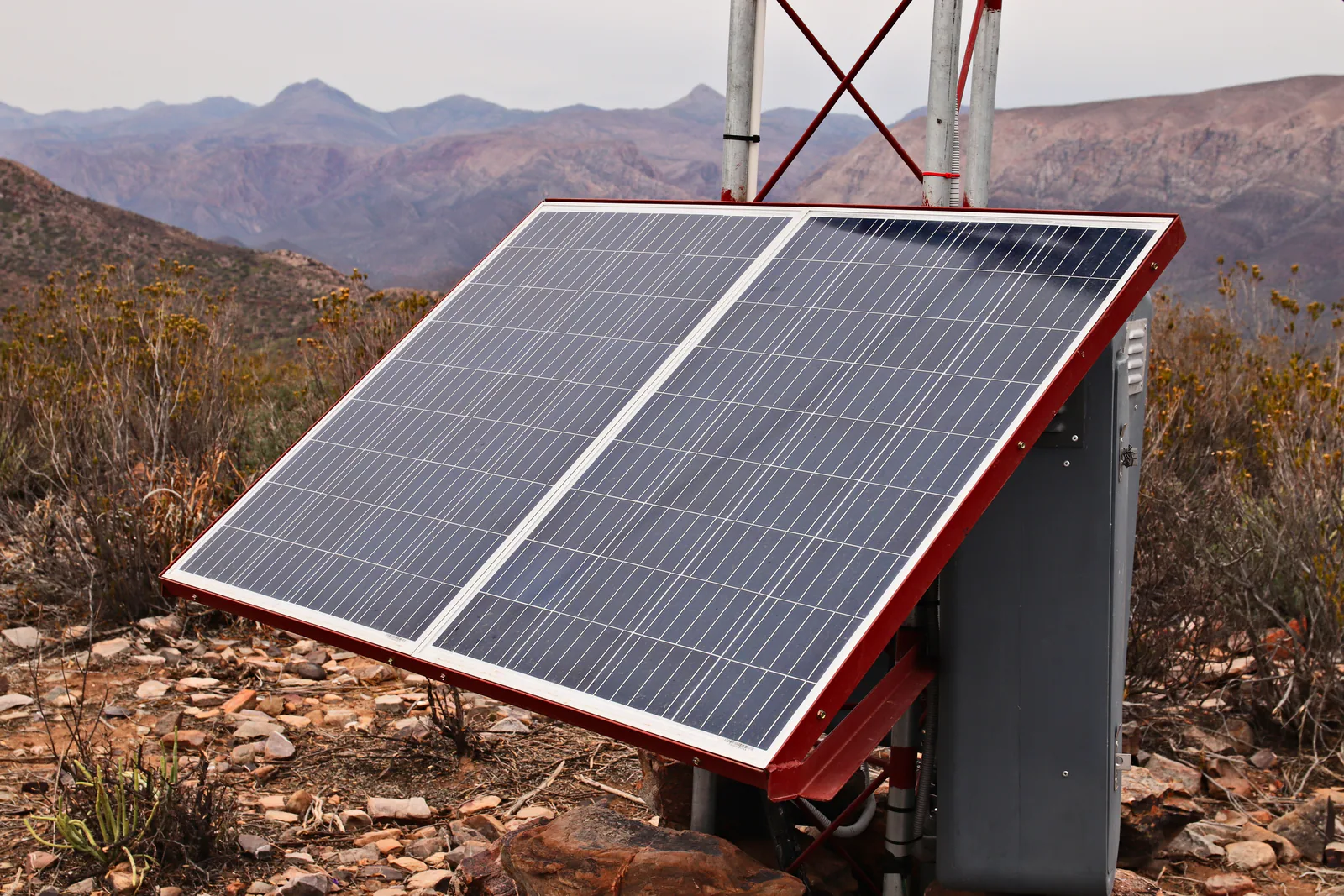
Solar Panel Disadvantages You Need to Know Before Going Solar
Solar power is on the rise across Australia, but before making the switch, it’s crucial to understand the solar panel disadvantages that could impact your investment. In the first few minutes of research, you’ll find plenty of benefits. But the real value lies in knowing the full picture — including the challenges.
With rising electricity prices and environmental concerns, solar energy seems like a no-brainer. Yet, it’s not always the ideal solution for every household. Understanding the solar panel disadvantages — such as upfront cost, efficiency issues, weather dependency, and maintenance drawbacks — helps you set realistic expectations and avoid surprises.
This article is designed to give you an honest look at the less-discussed aspects of solar energy. If you’re considering solar for your home or business, keep reading to make a smart, well-informed decision.
Why It’s Important to Understand Solar Panel Disadvantages
Most solar companies focus on the positives — lower bills, cleaner energy, and long-term savings. But at Esteem Energy, we believe transparency matters. Discussing the solar panel disadvantages isn’t about discouraging you — it’s about helping you plan smarter.
Why should you care about the downsides?
- It builds trust: Knowing the full story means fewer regrets down the road.
- It leads to better financial decisions: You can budget accurately and avoid hidden expenses.
- It ensures the right system choice: Not every home is suitable for solar, especially when factors like shade, roof design, and orientation come into play.
By exploring the solar panel disadvantages in detail, we’ll help you understand what to expect — and how to make solar work best for your specific situation.
Top Solar Panel Disadvantages to Consider Before Installation
1. Upfront Cost Can Be Significant
One of the most common solar panel disadvantages is the upfront cost. While solar power promises long-term savings, the initial investment can be difficult for many homeowners to justify. A standard residential solar system in Australia can range from $4,000 to $10,000 depending on:
- The number and quality of solar panels
- The type and size of inverter
- Installation and labour costs
- Permit approvals and grid connection fees
- Optional extras like batteries or monitoring systems
This cost barrier may delay your return on investment, especially if you’re not eligible for all government incentives. While solar rebates (like the Small-scale Technology Certificates or STCs) can reduce the upfront cost, they don’t always cover as much as people expect. This is especially true when exploring larger systems like the 10 kW solar system or even residential packages such as the 6.6 kW solar system, which may have different eligibility tiers or incentive rates.
Understanding your payback period is key. Even with rebates, most systems take 4–7 years to break even — and that depends heavily on your energy usage and location.
2. Weather Dependency Affects Energy Production
Another significant solar panel disadvantage is weather dependency. Solar panels operate at peak efficiency on clear, sunny days. When clouds, rain, or storms roll in, your energy production can drop by more than 50%.
What this means for you:
- On cloudy or rainy days, your system may not generate enough power to meet your daily needs
- In some regions, seasonal variation (like winter months or tropical wet seasons) impacts performance
- Solar panels don’t work at night — without batteries, you’ll still rely on the grid after sunset
Location matters. In cities like Brisbane and Perth, where sunshine is abundant, weather is less of a concern. But in places like Melbourne or Hobart, weather dependency can make solar a less consistent power source.
That’s why Esteem Energy always designs systems based on local climate data — to ensure your setup performs optimally year-round.
3. Efficiency Issues Vary Across Systems
When we talk about solar panel disadvantages, we must mention efficiency issues. No solar panel converts 100% of sunlight into electricity. Most residential panels offer efficiency rates between 15% and 22%, which means a lot of sunlight is simply not captured.
What contributes to efficiency issues?
- Degradation over time: Solar panels typically lose 0.5% to 1% of their performance each year
- Panel type: Monocrystalline panels tend to be more efficient than polycrystalline or thin-film panels
- Heat: Ironically, high temperatures can reduce solar efficiency, especially in poorly ventilated installations
- Environmental factors: Dust, shade from trees or buildings, snow, or incorrect panel angles can all reduce output
These efficiency issues don’t mean solar is a bad choice — just that you need to know what’s realistic. Choosing the right panel type and working with experienced installers like Esteem Energy can significantly reduce losses and improve system performance. For example, homeowners can consider tailored setups like the residential solar panel system to meet their needs.
4. Maintenance Drawbacks and System Longevity
Many people assume solar is “set and forget,” but there are maintenance drawbacks that every owner should be aware of. While solar panels are low-maintenance, they’re not maintenance-free.
Here are some common solar panel disadvantages tied to upkeep:
- Solar panels need to be cleaned regularly in dusty, coastal, or high-pollution areas
- Inverters usually require replacement after 10 to 15 years
- System inspections and performance monitoring help detect issues early — which adds to maintenance responsibilities
If you use battery storage, additional maintenance drawbacks arise:
- Batteries require periodic system checks and firmware updates
- Battery lifespan ranges from 7 to 12 years. For those considering energy independence, exploring options like a solar panel battery makes sense — especially in blackout-prone areas.
- Replacements are costly and may not be covered under basic warranties
While these issues don’t affect everyone, they’re worth considering — especially if you plan to stay in your home long-term. At Esteem Energy, we offer full-service support to help reduce these long-term burdens and keep your system running efficiently.
Can These Solar Panel Disadvantages Be Minimized?
The short answer is yes — many of these solar panel disadvantages can be reduced with smart decisions. It all comes down to product quality, system design, and choosing an installer who understands your energy goals.
Here’s how you can limit the drawbacks:
- Work only with SAA-accredited solar installers
- Invest in high-efficiency panels and reliable inverters
- Consider adding battery storage to minimise weather-related output loss
- Choose a company that offers long-term support and warranties
- Install a solar monitoring system to track performance and detect issues early
Esteem Energy designs every solar system around your home’s layout, energy usage, and local weather. This ensures maximum savings and minimal inconvenience.
Are Solar Panels Still Worth It Despite the Disadvantages?
Even with these solar panel disadvantages, thousands of Australian families are making the switch to solar each month. Why? Because when properly installed, solar delivers powerful long-term benefits.
Here’s what you gain despite the downsides:
- Major energy savings over time
- A hedge against rising electricity costs
- Increased property value
- Lower carbon footprint and energy independence
Every home is different — and solar isn’t perfect. But for most households with decent sunlight and energy usage, solar still offers a smart long-term investment.
- “The goal isn’t to ignore the challenges, but to solve them with the right system and expert support.” — Esteem Energy Technical Advisor
Why Choose Esteem Energy?
When you work with Esteem Energy, you get:
- SAA-accredited solar installers
- Premium solar panels and inverters
- Custom system design based on your home
- performance warranty terms
- No hidden costs — just clear, upfront pricing
- Ongoing support and maintenance plans
Ready to go solar the smart way? Call 1300 220 354 or email info@esteemenergy.com.au to book your free consultation and quote today.
Conclusion
Switching to solar can be one of the most rewarding investments for your home — but only if you know what you’re getting into. By understanding the solar panel disadvantages, you’ll be better equipped to choose the right system, avoid mistakes, and maximise your return on investment.
At Esteem Energy, we help Australian homeowners go solar with confidence by offering honest advice, quality products, and expert installation.
Frequently Asked Questions
What are the disadvantages of using solar panels for your home?The most common solar panel disadvantages include high upfront cost, weather dependency, system efficiency issues, and long-term maintenance drawbacks. Not every property is suited for solar, especially if it’s heavily shaded or has limited roof space
How much does it cost to install solar panels in Australia?Costs range from $4,000 to $10,000 for most residential systems, depending on size, brand, and installer. Batteries and premium inverters increase this further.
Do solar panels work well in cloudy weather?Solar panels still work on cloudy days but produce significantly less power — sometimes as much as 60–80% less depending on cloud density and duration. Weather dependency is a key performance factor.
How often do solar panels need to be cleaned?Typically, once or twice a year. However, in areas with dust, trees, or bird activity, more frequent cleaning may be necessary to maintain efficiency.
What happens if I don't maintain my solar system?Neglecting maintenance can reduce system efficiency, shorten equipment lifespan, and cause power generation losses. Maintenance drawbacks like inverter failure or dirty panels should not be ignored.
Will my solar panels stop working after 25 years?No — most panels continue to produce electricity beyond 25 years but at a reduced output due to normal degradation. Most manufacturers offer performance warranties up to 25 years.
Are solar batteries worth the investment?Solar batteries provide backup power and increase self-consumption, but they come with high upfront costs and require ongoing maintenance. They’re ideal in blackout-prone areas or for those aiming for energy independence.
Can solar panels completely eliminate my energy bills?Not always. While solar can dramatically reduce your bills, weather dependency, nighttime usage, and seasonal changes mean you may still need grid power unless your system includes battery storage.