
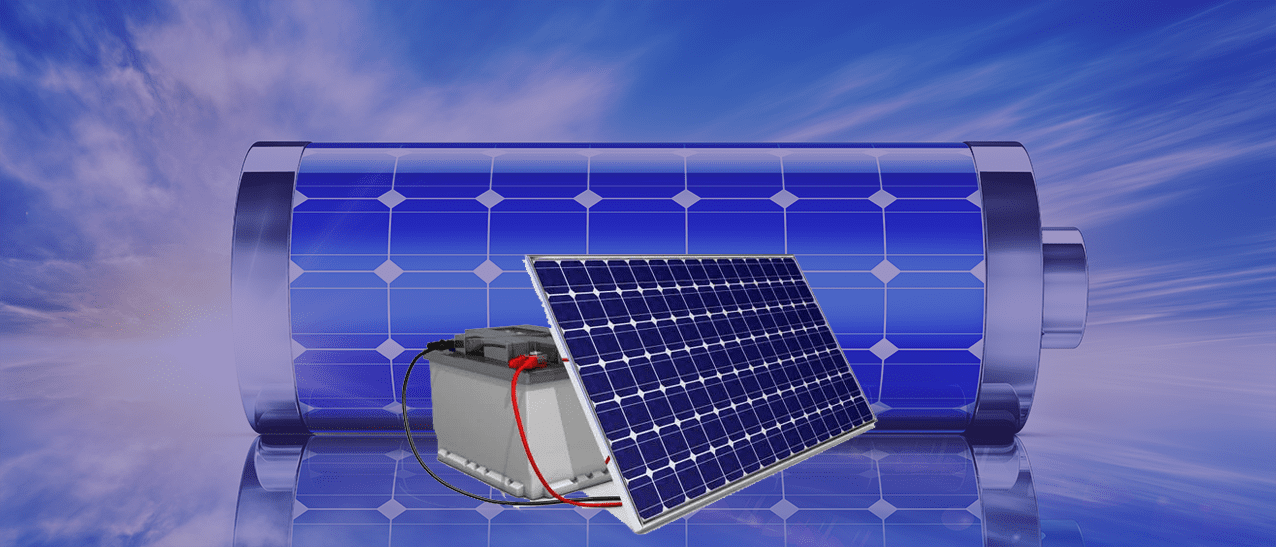
What an Adelaide home battery can do
A battery can store surplus daytime solar for use later, reduce grid purchases during selected tariff periods and provide backup when the system is specifically configured for it. Backup is not automatic: the inverter, gateway, battery output and protected circuits must all support the required loads.
How to size a battery
Use interval meter data and recent electricity bills to compare daytime exports with evening consumption. The best capacity is usually the one that can be charged from repeatable solar surplus and discharged into real household demand. Larger is not always better.
What affects the installed price?
- Usable battery capacity and power output
- AC-coupled or DC-coupled design
- Compatibility with the existing solar inverter
- Backup gateway and essential-load circuits
- Switchboard, cabling and mounting work
- Warranty terms, monitoring and local service support
Request an itemised quote showing the battery, inverter or gateway, installation, electrical upgrades, incentive value and final payable price. Brand-only comparisons can hide significant differences in scope.
Current rebates for Adelaide batteries
The former South Australian Home Battery Scheme is closed. In 2026, the principal broad-based support is the Australian Government's Cheaper Home Batteries Program. It provides an upfront discount for eligible battery systems connected to new or existing rooftop solar.
SA scheme closure notice · Current federal battery program
Safety and eligibility
Choose equipment on the current approved-product lists and use appropriately licensed and SAA-accredited installers. The site assessment should cover battery location, clearances, network requirements, switchboard condition, monitoring and emergency shutdown information.
Frequently asked questions
Is the SA Home Battery Scheme still open?
No. It is closed to new applications.
Can an Adelaide household access the federal discount?
Yes, if the battery, property and installation meet the current Cheaper Home Batteries Program rules.
Can I add a battery to an existing system?
Often yes. Compatibility and network requirements need to be checked first.
Will a battery eliminate my electricity bill?
No such result can be guaranteed. Savings depend on solar generation, consumption, tariffs, battery operation and ongoing grid charges.