How to Check Solar Panel Output: A Step-by-Step Guide for Effective Solar Power Monitoring
If you're wondering how to check solar panel output, you’re not alone. As solar energy becomes increasingly popular, knowing how to effectively monitor your system’s performance is essential for maintaining optimal energy production and ensuring long-term savings. Whether you're a homeowner or a business owner, checking solar panel output regularly is a key part of managing your solar system's efficiency.
By learning how to check solar panel output, you can easily detect underperformance, maximize your savings, and reduce potential energy losses. This guide will help you understand the essential steps and tools required to test solar output, including the importance of solar power monitoring, checking inverter readings, and how to test panel voltage. Ready to optimize your solar energy system? Let's dive in!
Why Monitoring Solar Output Matters
The Cost-Benefit of Detecting Underperformance Early
One of the primary reasons to regularly check solar panel output is to detect underperformance early. By understanding how to check solar panel output, you can identify issues like dirt, shading, or even faulty equipment before they significantly affect your energy production. Early detection helps you address problems quickly and prevents costly repairs or energy loss.
Environmental Impact of Maximizing Solar Efficiency
Maximizing solar efficiency is not only beneficial for your wallet but also for the environment. The more efficiently your system operates, the more renewable energy you’re producing, reducing your reliance on fossil fuels and cutting down on carbon emissions. Monitoring the output ensures you’re making the most of your investment in clean energy.
Solar Power Monitoring Helps Maintain Consistent Energy Savings
Solar power monitoring systems are a great way to track the performance of your solar panels in real time. With continuous tracking, you’ll be able to spot any discrepancies between actual performance and expected output, enabling you to make adjustments or repairs as needed to maintain consistent energy savings.
Tools You’ll Need to Test Panel Output
To check solar panel output accurately, you’ll need the right tools. Here’s what you should have on hand:
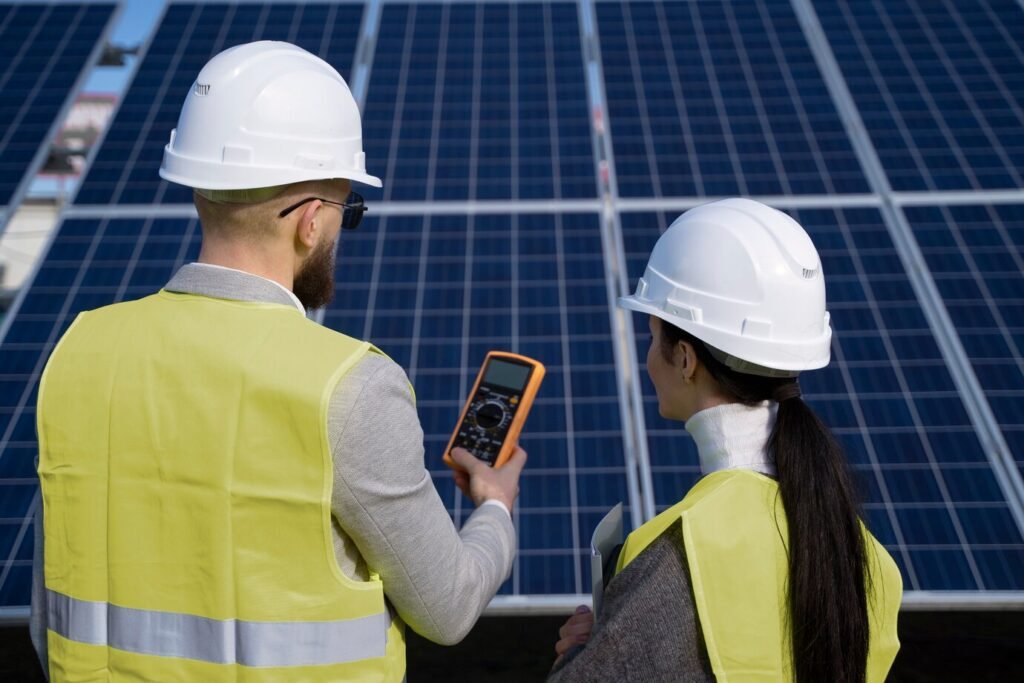
Digital Multimeter: A digital multimeter is essential for measuring voltage and current, which are crucial indicators of your system's performance. It's necessary when testing the panel voltage.
Clamp Meter: A clamp meter measures current without needing to disconnect the system. It’s an excellent tool for monitoring energy flow non-intrusively.
Access to Inverter Interface/App: Many modern inverters come with apps or interfaces that let you check inverter readings remotely. This gives you valuable insight into your solar system's real-time performance.
Safety First
Before you start checking your solar panel output, it's crucial to prioritize safety:
Turn Off Load Connections: Disconnect the load connections before performing any tests to avoid electrical hazards.
Use Insulated Gloves and Tools: Always use insulated gloves and tools to protect yourself from high voltage.
Reference Manufacturer Guidelines: Consult the manufacturer’s guidelines to ensure you're following the proper safety protocols specific to your system.
Step-by-Step: How to Check Solar Panel Output
Now that you know the tools and safety precautions, here’s a detailed, step-by-step guide on how to check solar panel output.
a. Test Panel Voltage (Voc)
Testing the open circuit voltage (Voc) is a crucial first step. It tells you how much voltage your solar panel generates when it's not connected to any load.
How to Test Panel Voltage:
Safely disconnect the panel from the system.
Set your multimeter to measure DC voltage.
Measure the voltage across the panel’s terminals.
Tip: For accurate results, test the panel voltage during peak sunlight hours when the panel is producing the highest output.
b. Check Inverter Readings
Inverters are integral to your solar power system. They convert the DC electricity produced by your panels into AC electricity that can be used in your home or business. Many inverters have apps or built-in displays that allow you to easily check inverter readings.
Open the app or display on your inverter.
Cross-check the real-time output against the system’s expected performance.
If the output seems significantly lower than expected, there could be a problem with the inverter or other system components.
c. Measure Short Circuit Current (Isc)
Measuring the short circuit current (Isc) helps verify the current your solar panel is capable of producing under optimal conditions. This measurement helps ensure the panel is performing to specifications.
Set your multimeter to measure DC current.
Measure the current directly at the panel’s terminals.
Compare the result to the panel’s specified Isc value.
d. Test Under Load
Testing your panel under load simulates real-world conditions. It helps you understand how the panel performs when it's actively powering your devices.
Connect a resistive load to the system (e.g., a light bulb or appliance).
Measure the voltage and current while the load is active.
Compare your measurements to the expected performance to determine if the system is underperforming.
Interpreting Results
Once you’ve completed the tests, it’s time to interpret the results:
Healthy Output: If the output is close to the expected values based on your panel specifications, your system is functioning well.
Acceptable Variances: A small variance may occur due to weather conditions or minor shading. These variations are usually acceptable.
When to Be Concerned: If your output is consistently much lower than expected, or if any tests fail significantly, it could indicate issues with the panels, inverter, or wiring that need professional attention.
Common Issues and Fixes
Regular monitoring helps you identify common issues that can reduce solar panel efficiency:
Dirty Panels: Dust or debris can block sunlight. Clean your panels regularly to maximize efficiency.
Shading: Trees, buildings, or other obstructions can cause shading, leading to significant output loss. Trim any trees or relocate panels if necessary.
Faulty Connections: Loose or corroded connections can reduce performance. Inspect the wiring and connections regularly.
Inverter Issues: If your inverter isn’t converting DC power to AC power efficiently, your system won’t perform well. Check inverter readings regularly to ensure it's operating correctly.
Using Solar Power Monitoring Systems
Solar power monitoring systems have become a valuable tool for many solar owners. These systems allow you to track performance in real-time and access detailed reports of your solar panel output. Here are some of the benefits:
Real-Time Tracking: Monitor energy production continuously, ensuring you're always aware of your system’s performance.
Alerts: Get notifications if performance drops below a certain threshold, allowing you to address problems promptly.
Historical Data: Review past performance and identify patterns or recurring issues that could require maintenance.
When to Call a Solar Expert
Although regular maintenance and monitoring can help you spot many issues, sometimes you’ll need to consult a professional:
Persistent Underperformance: If your system consistently fails to meet expected output levels, despite troubleshooting, a technician may need to inspect it.
System Faults or Inverter Errors: Inverter failures or system faults require expert intervention.
System Audits and Maintenance: Periodic professional audits help ensure the system is running optimally and can catch problems before they cause significant damage.
Why Esteem Energy is Your Trusted Solar Partner
At Esteem Energy, we specialize in optimizing solar energy systems for maximum efficiency. Our SAA-accredited installers provide high-quality panels, advanced solar power monitoring tools, and expert maintenance services to ensure your solar system operates at peak performance. With top-tier warranties and professional support, we help you get the most out of your solar investment.
Ready to maximize your solar performance? Contact Esteem Energy today for a free system health check and monitoring consultation!
Frequently Asked Questions
Q1. How can I check the output of my solar panels?
You can check the output of your solar panels by testing panel voltage, using a clamp meter for current readings, and checking inverter readings for real-time performance data.
Q2. What tools are used to measure panel performance?
Essential tools for measuring panel performance include a digital multimeter, a clamp meter for non-intrusive current measurements, and access to an inverter’s app or interface to check inverter readings.
Q3. Can I monitor solar output from my phone?
Yes, many modern inverters come with apps that allow you to check inverter readings and monitor the performance of your solar system directly from your phone.
Q4. How often should I check my solar panel output?
It’s recommended to check your solar panel output at least once a month, but more frequent checks are beneficial, especially after harsh weather conditions.
Q5. What is the best time to test solar panel voltage?
Test panel voltage during peak sunlight hours, which typically occur around midday. This is when the panels will be generating their maximum output.
Q6. What do I do if my solar panels are underperforming?
First, check for common issues like dirt, shading, or faulty connections. If the issue persists, consider checking inverter readings or consulting a professional technician.
Q7. How do I know if my inverter is working correctly?
Check inverter readings using your inverter’s app or display interface. If the output is significantly lower than expected, it may indicate an issue with the inverter.
Q8. When should I call a solar expert?
If you notice persistent underperformance, or if your solar power monitoring system identifies ongoing issues, it’s time to consult a solar expert for a thorough inspection.
GUIDANCE & SUPPORT
Ready to make the switch to solar?
Talk with the Esteem Energy team about a system designed around your home, energy use and goals.