
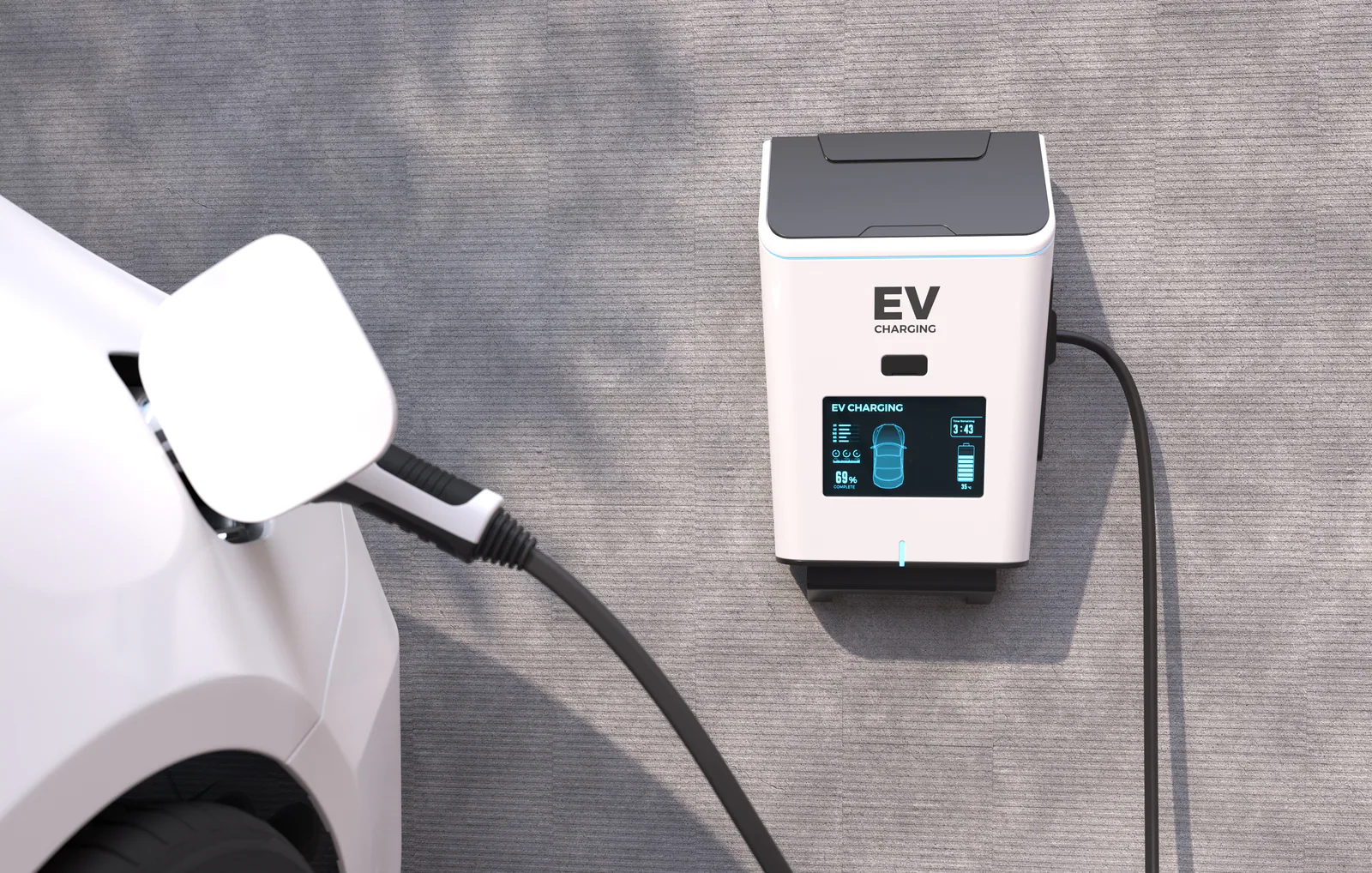
With the growing popularity of electric vehicles (EVs) across Australia, many homeowners are looking into EV charger installation costs as part of their transition to sustainable driving. Understanding the costs involved is crucial for making an informed decision, especially as the shift toward electric vehicles continues to accelerate. This guide breaks down everything you need to know about EV charger installation costs, from the different types of chargers available to the factors that affect pricing.
In this article, we’ll explore home EV charging costs, the different charger options such as wallbox installation fees, and electric vehicle charger pricing in Australia. By the end of this guide, you’ll have a clear idea of what to expect in terms of both the upfront investment and long-term savings when you choose to install an EV charger at home.
Why Install an EV Charger at Home?
The decision to install an EV charger at home offers numerous benefits. Not only do you avoid the inconvenience of relying on public charging stations, but you also gain the flexibility of charging your vehicle at your convenience. With an EV charger at home, you can ensure your car is always fully charged, ready to go whenever you are.
Convenience and Cost-Savings
While public charging stations can be found in many locations, they often come with higher fees. By opting for home charging, you’re typically able to save on home EV charging costs, which are significantly lower than public charging. Additionally, if you combine your charger with a solar power system, you can further reduce costs by utilizing renewable energy, such as a 6.6 kW solar system.
Environmental Impact
Charging at home also contributes to a greener future. By utilizing sustainable energy sources such as solar, you can significantly reduce your carbon footprint, making home EV charging a more eco-friendly option compared to using public chargers powered by fossil fuels. Consider pairing your charger with a solar panel battery for even more energy savings.
Types of EV Chargers Available
Before diving into EV charger installation costs, it’s essential to understand the different types of chargers available. Each type has its own unique pricing structure and installation requirements.
Level 1 Chargers
- Features: Plug into a standard 120V household outlet. These chargers are the most basic and commonly used for overnight charging.
- Pros: Inexpensive to install, as no specialized outlet is required.
- Cons: Slow charging speed, with only about 3-5 km of range added per hour.
- Ideal for: Homes with low daily driving needs. Level 1 chargers are the least expensive in terms of both initial installation and electric vehicle charger pricing.
Level 2 Chargers
- Features: Require a 240V outlet, providing faster charging than Level 1 chargers. Most residential EV charger installations use Level 2 chargers.
- Pros: Faster charging time (up to 25-30 km per hour of charge), perfect for daily driving needs.
- Cons: Installation costs are higher compared to Level 1 chargers due to the need for professional installation.
- Ideal for: Most homeowners looking for faster, more efficient charging solutions.
DC Fast Chargers
- Features: Offers ultra-fast charging with the ability to charge an EV up to 80% in 30 minutes.
- Pros: Ultra-fast charging speeds, typically found in public locations.
- Cons: High installation costs, and typically not used for home charging due to the need for specialized infrastructure.
- Ideal for: Public spaces and businesses, rather than residential installations.
Breakdown of EV Charger Installation Costs
EV Charger Installation Cost in Australia
The EV charger installation cost in Australia depends on several factors, including the type of charger, installation complexity, and regional pricing. Below is a general estimate of the costs you might encounter:
- Level 1 Charger: $200 to $500 for installation.
- Level 2 Charger: $700 to $2,000 for installation, with most installations falling around $1,200.
- DC Fast Charger: $10,000 or more, due to the need for specialized electrical work.
In addition to these basic installation costs, you may also face wallbox installation fees, which can range from $100 to $500, depending on your home's setup and the complexity of the installation. Consider looking into solar panel installation to ensure a sustainable power source for your home EV charger.
Labor Costs
Labor charges for EV charger installation typically range from $100 to $150 per hour, with most installations taking 2-4 hours. The complexity of the installation, such as the distance from the electrical panel and the need for additional upgrades, can influence the overall labor cost.
Factors That Affect Installation Pricing
There are several factors that can affect the overall cost of EV charger installation:
Electrical Upgrades
If your home’s electrical system is not capable of handling the additional load required for EV charging, you may need to upgrade your electrical panel or switchboard. This can add an additional $500 to $1,500 to your overall installation cost.
Switchboard Capacity
In some cases, homes may need a larger capacity switchboard to support an EV charger installation. This upgrade may also affect the wallbox installation fees.
Distance from Power Source
If your charging point is located far from the electrical panel, you may incur additional costs for cabling and labor. The cost of cabling typically ranges from $10 to $20 per meter, depending on the distance.
Smart Charging Features
Some Level 2 chargers come with smart features such as Wi-Fi connectivity and scheduling capabilities. These can add to the initial electric vehicle charger pricing, but they can provide long-term savings by optimizing charging during off-peak hours.
Government Rebates and Incentives
Some states and local councils in Australia offer rebates and incentives to reduce EV charger installation costs. These programs can help offset the installation price, so it’s worth checking if any are available in your area.
Home EV Charging Cost vs. Public Charging
Charging Location | Cost per kWh | Charging Speed |
Home Charging | $0.20 – $0.35 | Slow to Fast |
Public Charging | $0.40 – $0.70 | Slow to Fast |
As shown in the table above, home EV charging costs are generally lower than public charging options. Charging at home offers not only a cost-effective solution but also the convenience of charging your vehicle overnight.
Best Practices for Reducing Costs
To keep your EV charger installation costs down, consider the following strategies:
- Bundle with Solar Installations: Installing an EV charger alongside a solar panel system can reduce your home EV charging costs by allowing you to charge your vehicle using renewable energy.
- Choose a Scalable Solution: Opt for a charger that can be upgraded as your needs grow. Many modern chargers are scalable and allow for the addition of smart features over time.
- Choose Accredited Installers: Using SAA-accredited installers ensures that the job is done to the highest safety standards, preventing potential repair costs down the line.
Why Choose Esteem Energy for Your EV Charger Installation?
- equipment warranty terms on panels, 10-year workmanship guarantee.
- SAA-accredited installers ensuring quality and safety.
- One-stop shop for solar + EV integration.
- Competitive pricing and quick turnaround.
Ready to make the switch to smart, sustainable EV charging? Trust Esteem Energy for seamless charger installation and solar integration — backed by Australia’s top-rated solar experts. Contact us today and take charge of your energy future.”
Conclusion
In conclusion, understanding the EV charger installation cost is essential for homeowners considering the transition to electric vehicles. With various options available, such as Level 1, Level 2, and DC Fast Chargers, it’s important to weigh the costs and benefits. By choosing the right charger, taking advantage of government rebates, and working with accredited professionals, you can ensure a smooth, cost-effective installation. For a seamless experience, trust Esteem Energy for expert EV charger installation and solar integration.
Frequently Asked Questions
Q1. How much does it cost to install an EV charger?The cost to install an EV charger varies depending on the type of charger. For Level 1 chargers, costs typically range from $200 to $500, while Level 2 chargers cost between $700 and $2,000 to install. DC Fast Chargers can cost upwards of $10,000.
Q2. What affects EV charger installation pricing?Several factors can affect the price of EV charger installation, including the type of charger, the distance from your electrical panel, the need for electrical upgrades, and the inclusion of smart features. Labor costs and wallbox installation fees can also influence the overall cost.
Q3. Are there government rebates for EV chargers?Yes, some Australian states and local councils offer rebates or incentives to reduce the cost of EV charger installation. These programs can help make the transition to electric vehicles more affordable.
Q4. Can I install an EV charger myself?It’s not recommended to install an EV charger yourself unless you are a licensed electrician. Professional installation ensures safety, compliance with local regulations, and that the installation is done correctly.
Q5. How long does the installation process take?Typically, EV charger installations take between 2 and 4 hours. This can vary depending on the complexity of the installation and whether any electrical upgrades are needed.
Q6. Do I need to upgrade my electrical system for an EV charger?If your electrical system is not capable of handling the extra load from an EV charger, you may need to upgrade your switchboard or electrical panel. This can add to the cost of installation.
Q7. How do I choose the right EV charger for my home?When choosing a charger, consider your daily driving habits, the charging speed you need, and whether you want smart features. Level 2 chargers are the most common for home installations due to their fast charging speeds.
Q8. Will an EV charger increase my home’s value?Yes, installing an EV charger can potentially increase the value of your home, especially as more people switch to electric vehicles. It’s seen as a desirable feature for eco-conscious buyers.